
AI Trends & News
Surface Laptop Ultra Pre-orders Open: Price, Release Date and AI Features
Microsoft opens Surface Laptop Ultra pre-orders from US$2,599.99. Explore its launch date, NVIDIA RTX Spark features and implications for Nigerian businesses.
TAMFIS NIG LTDRC 8067447CAC ACTIVEFinima, Bonny Island, Rivers State

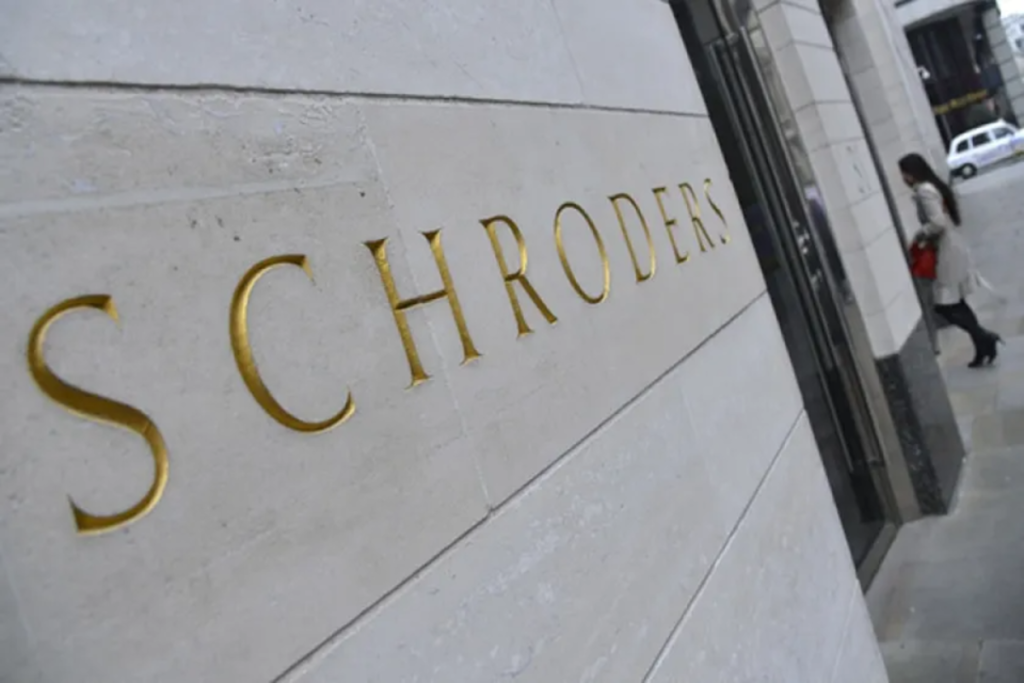
In the evolving landscape of asset management, mega mergers have become a favored strategy to boost scale and competitiveness. The £10bn acquisition of Schroders by Nuveen, a $2.5 trillion US asset management giant, is a prime example of this trend. While headlines focus on financial muscle and brand continuity, the underlying challenge is far more complex. The real test of such mergers lies deep within the technological infrastructure that supports investment processes, risk management, and client reporting. This article delves into why technology, rather than balance sheets, is the critical factor determining the success of large-scale mergers in asset management.
Asset management has seen a prolonged squeeze on profitability as passive investment products compress margins and heightened regulatory demands increase operating costs. Many firms find organic growth challenging, making consolidation an attractive path to scale revenues and reduce unit costs. Schroders’ acquisition by Nuveen reflects this broader industry movement towards creating larger, more diversified entities capable of competing on a global stage.
Despite the promise of economies of scale, evidence suggests that mergers often struggle to deliver the expected financial benefits. Integration costs, cultural mismatches, and technological complexities can erode anticipated savings. As a result, financial metrics alone provide an incomplete picture of merger success, underscoring the importance of operational and technological factors.
The pressure to grow assets under management and achieve cost efficiencies has intensified. However, the financial rationale must be supported by robust technology platforms that can handle increased complexity without sacrificing agility. This shift highlights why technology integration has moved to the forefront of merger challenges.
While investment committees and dealing desks feature prominently in merger narratives, the true battleground is in the technology engine rooms. These systems underpin everything from trade execution and risk analytics to client reporting and regulatory compliance. Merging firms face the daunting task of uniting disparate technology stacks, each with unique architecture, data models, and operational workflows.
Legacy systems often pose significant integration hurdles. One firm may rely on decades-old databases and manual processes, while the other operates cloud-native platforms designed for real-time analytics. Aligning these divergent technologies requires careful planning and significant investment, often extending well beyond the initial transaction period.
Furthermore, investment teams expect seamless access to trusted tools and data throughout the integration process. Any disruption can impact decision-making and client service. Therefore, maintaining operational stability while overhauling systems is a delicate balancing act that can determine the merger’s ultimate success.
A major challenge in merging asset management firms lies in harmonizing data definitions and reporting frameworks. Performance metrics, risk exposures, pricing feeds, and benchmarks often differ between organizations, reflecting historical practices and proprietary methodologies. Without a unified data language, providing clients and regulators with consistent, transparent information becomes nearly impossible.
Institutional investors demand a single, comprehensive view of risk and performance across the combined entity’s portfolio. Regulators require clear data lineage and harmonized reporting to ensure compliance and auditability. Achieving these objectives necessitates rebuilding data architecture from the ground up, often involving complex mapping and reconciliation processes.
This data harmonization effort is rarely visible in merger announcements but is critical for operational coherence. Failure to align data can lead to fragmented reporting, increased risk exposure, and ultimately loss of client trust.
Mergers often emphasize brand preservation and geographic continuity to reassure clients and markets. Schroders’ London headquarters and brand identity remain intact under Nuveen’s ownership, signaling stability. However, brand continuity alone does not guarantee operational success.
True integration success depends on achieving operational coherence—streamlining workflows, unifying systems, and fostering a shared culture. This coherence enables the firm to deliver consistent client experiences, manage risk holistically, and respond agilely to market changes.
Operational fragmentation can undermine these goals, leading to duplicated efforts, inefficiencies, and slower decision-making. Hence, firms must prioritize internal alignment alongside external messaging to realize merger synergies fully.
Modern asset managers operate in an increasingly complex regulatory landscape, with evolving rules across different jurisdictions. Mergers spanning continents must navigate these complexities while maintaining compliance and transparency. Technology plays a crucial role in managing regulatory reporting and audit trails.
Additionally, firms now invest across public and private markets, requiring integrated platforms capable of handling diverse asset classes and data types. This complexity demands flexible, scalable technology infrastructures that can adapt to changing market dynamics and regulatory expectations.
In this context, successful mergers must build technology frameworks that not only support current operations but also anticipate future challenges, enabling continuous innovation and risk management.
London has long been a financial hub, but the asset management industry’s operating models are becoming less tied to physical locations. Investment teams collaborate across time zones and continents, leveraging digital platforms to share data and insights in real time.
The Schroders-Nuveen merger highlights this trend, with London’s Square Mile headquarters serving as a symbolic anchor rather than the sole operational center. Shared digital infrastructure enables global collaboration and client servicing regardless of geographic boundaries.
This shift demands investment in cloud-based systems, cybersecurity, and data governance frameworks that support distributed teams and provide clients with transparent, real-time information wherever they are.
The ability to unify investment data and maintain a comprehensive, real-time view of the entire portfolio is emerging as a key differentiator for asset managers. Firms that successfully integrate technology during mergers can harness data to enhance risk management, improve client reporting, and drive innovation.
Conversely, failure to address technological fragmentation risks operational inefficiencies, increased costs, and diminished client confidence. As mergers become more frequent, technology integration will shift from a post-merger cleanup task to a core strategic priority.
Ultimately, future-proof asset managers will prioritize building scalable, interoperable technology platforms that can seamlessly absorb acquisitions, support multi-asset strategies, and comply with evolving regulatory demands.
The Schroders takeover by Nuveen exemplifies the shifting dynamics in asset management mergers, where technology integration has become the true test of success. Beyond the headline figures and brand preservation, the real challenge lies in harmonizing complex legacy systems, aligning data definitions, and achieving operational coherence across a larger entity. As regulatory demands grow and investment landscapes diversify, firms that can unify their technology infrastructure and maintain a clear, real-time view of risk and performance will emerge stronger. Ultimately, in today’s asset management world, it is not just balance sheets but the robustness of technology that determines the fate of mega mergers.
Originally reported by cityam.com. Adapted for our readers.
Keep reading
AI Trends & News
Microsoft opens Surface Laptop Ultra pre-orders from US$2,599.99. Explore its launch date, NVIDIA RTX Spark features and implications for Nigerian businesses.
Science & Technology
DJI’s IBC recognition puts pocket gimbal and panoramic capture in the spotlight. Here is how creators can assess framing, editing effort and recording workflows.
Business News
App store steering is about more than permission to add a link. Explore fees, renewal terms, customer experience and the UK consultation.
TAMFIS NIG LTD
Electrical and instrumentation engineering, bid preparation and consulting, IT and software.

