Educational Resources
Timings for govt schools, colleges across Sindh reduced by an hour
In a move underscoring the intersection of education policy and economic reality, the Sindh government h...
TAMFIS NIG LTDRC 8067447CAC ACTIVEFinima, Bonny Island, Rivers State

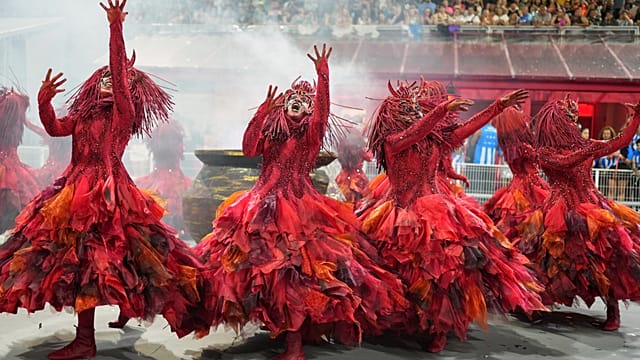
São Paulo's official Carnival celebrations for 2026 burst into life on a vibrant Friday night, marking the return of the city's most anticipated cultural event. The Anhembi Sambadrome became the epicenter of an electrifying display as the top-tier samba schools took to the avenue, blending deep-rooted cultural pride with contemporary themes of resistance, feminism, and mysticism. This year’s festivities not only celebrated samba’s rhythmic allure but also highlighted powerful narratives that resonate with Brazil’s social fabric, making the opening parade a truly unforgettable spectacle.
São Paulo’s Carnival stands as one of Brazil’s most significant cultural expressions, drawing millions of participants and spectators annually. Unlike Rio’s globally renowned festivities, São Paulo’s Carnival is distinguished by its dynamic samba schools, which serve as community hubs preserving Afro-Brazilian traditions and local histories. These schools compete fiercely, showcasing elaborate floats, costumes, and percussion ensembles, making the event a vibrant celebration of identity and artistic excellence.
The Carnival is more than a festive gathering; it is a platform for social commentary and cultural affirmation. Samba schools often weave narratives addressing historical struggles, racial pride, and contemporary issues into their performances. This year’s opening night exemplified this tradition by foregrounding themes of Black empowerment and feminist resistance, thus amplifying voices that have historically been marginalized.
Moreover, the event fosters community engagement and economic vitality. Samba schools bring together residents from diverse neighborhoods, providing opportunities for cultural education and employment. The Carnival’s opening parade is a critical moment that sets the tone for weeks of festivities, highlighting São Paulo’s commitment to sustaining and evolving its rich cultural heritage.
The first samba school to grace the Anhembi Sambadrome was Mocidade Unida da Mooca, marking their debut in São Paulo’s top-tier Carnival division. Their performance was a powerful homage to Instituto Geledés, an influential Black women-led organization dedicated to combating racism and promoting social justice. Through intricate choreography and vibrant costumes, Mocidade Unida da Mooca highlighted the intersection of race and gender struggles in Brazil.
The school’s tribute emphasized the resilience and leadership of Black women, positioning Carnival as a ‘reclaiming of true Black culture,’ as noted by renowned singer Sté Oliveira. The performance blended traditional samba rhythms with poignant storytelling, illustrating the ongoing fight against systemic oppression while celebrating cultural pride and unity.
This debut was a milestone not only for Mocidade Unida da Mooca but also for São Paulo’s Carnival scene, as it brought fresh perspectives and reaffirmed the event’s role as a platform for social empowerment. Their impactful presentation resonated deeply with audiences, setting a high standard for the rest of the competition.
Later in the evening, the samba school Colorado do Brás captivated attendees with an evocative and mystical parade themed around Friday the 13th, portraying witches as powerful symbols of women’s resistance. This imaginative narrative drew on folklore and contemporary feminist discourse, transforming the Sambadrome into a stage of magical realism and social critique.
Actress Fabi Bang, known for her role as Glinda in the musical Wicked, joined the parade, describing the experience as a ‘privilege’ that connected her to samba’s unique emotional energy. Her participation underscored the fusion of performing arts and Carnival traditions, enriching the spectacle with theatrical depth and star power.
Colorado do Brás’ presentation used symbolism and intricate visual effects to challenge stereotypes about witches, reframing them as icons of empowerment and defiance against patriarchal norms. This creative approach not only entertained but also encouraged reflection on women’s roles in society, reinforcing Carnival’s function as a space for cultural dialogue.
Samba schools in São Paulo have historically served as bastions of resistance, particularly for Afro-Brazilian communities. Rooted in neighborhoods often marginalized by socio-economic disparities, these schools provide a collective voice that challenges inequality through artistic expression. The narratives presented during Carnival frequently address themes of racial justice, identity, and empowerment.
This year’s performances continued this tradition by foregrounding feminist themes and Black cultural affirmation. Through music, dance, and storytelling, samba schools articulate complex social realities, transforming the parade into a platform for activism and education. The inclusion of organizations like Instituto Geledés highlights the schools’ commitment to social causes beyond entertainment.
Moreover, the participatory nature of samba schools fosters community resilience. By engaging local residents in preparations and performances, the schools strengthen social bonds and promote cultural pride. This dynamic ensures that Carnival remains a living, evolving expression of resistance and hope.
São Paulo’s Carnival is a highly competitive event featuring fourteen samba schools vying for the championship title. The competition spans multiple categories, including percussion, choreography, costumes, and floats, each meticulously judged to determine the overall winner. This rigorous evaluation underscores the technical excellence and creativity required to succeed.
Behind the scenes, months of preparation go into crafting the parade’s elaborate elements. Artisans, designers, and musicians collaborate to produce stunning visual and auditory experiences that captivate audiences. The precision and passion invested in every detail reflect the schools’ dedication to their craft and cultural mission.
This intense competition drives innovation within the samba community, pushing schools to explore new themes and refine their artistry. It also enhances the spectacle’s appeal, attracting diverse audiences and media attention, which in turn helps preserve and promote São Paulo’s unique Carnival traditions.
Beyond its cultural significance, São Paulo’s Carnival generates substantial social and economic benefits for the city. The event attracts tourists from across Brazil and around the world, boosting local businesses such as hotels, restaurants, and transportation services. This influx supports thousands of jobs and stimulates urban development.
Carnival also fosters social inclusion by providing opportunities for marginalized communities to participate in high-profile cultural activities. Samba schools often serve as social hubs offering education, employment, and a sense of belonging. These benefits contribute to community empowerment and social cohesion throughout the year.
Furthermore, the city’s investment in Carnival infrastructure, including the iconic Anhembi Sambadrome, demonstrates a commitment to cultural preservation and urban vitality. The festival’s success reinforces São Paulo’s reputation as a vibrant, diverse metropolis that celebrates its rich heritage through dynamic public events.
As São Paulo’s Carnival evolves, it continues to balance innovation with respect for tradition. New themes reflecting current social issues emerge alongside classic samba rhythms and costumes, ensuring the festival remains relevant and engaging. This dynamic interplay attracts younger generations while honoring the cultural roots of the celebration.
Technological advancements, such as enhanced lighting, sound systems, and digital storytelling, are increasingly integrated into performances, amplifying their emotional and visual impact. These innovations enable samba schools to push creative boundaries and reach wider audiences through multimedia platforms.
Looking ahead, São Paulo’s Carnival is poised to maintain its role as a powerful cultural force that champions diversity, artistic excellence, and social justice. By nurturing both heritage and progress, the festival will continue to inspire and unite communities for years to come.
São Paulo’s 2026 Carnival opening was a dazzling celebration of samba’s enduring power to entertain, inspire, and provoke thought. Through vibrant parades that honored Black culture, feminist resistance, and mystical storytelling, the city reaffirmed Carnival’s unique role as a cultural and social phenomenon. As samba schools continue to innovate while respecting tradition, São Paulo’s Carnival promises to remain a dynamic space where artistry and activism unite, enriching the city’s cultural landscape and empowering its communities.
Originally reported by africanews.com. Adapted for our readers.
Keep reading
Educational Resources
In a move underscoring the intersection of education policy and economic reality, the Sindh government h...
Educational Resources
All eyes are on the FIBA World Cup, but we can't help but think about what's to come in the WNBA....
Educational Resources
Portugal finds itself grappling with a multifaceted crisis as severe storms, known as Storm Kristin and ...
TAMFIS NIG LTD
Electrical and instrumentation engineering, bid preparation and consulting, IT and software.