
AI Trends & News
Surface Laptop Ultra Pre-orders Open: Price, Release Date and AI Features
Microsoft opens Surface Laptop Ultra pre-orders from US$2,599.99. Explore its launch date, NVIDIA RTX Spark features and implications for Nigerian businesses.
TAMFIS NIG LTDRC 8067447CAC ACTIVEFinima, Bonny Island, Rivers State

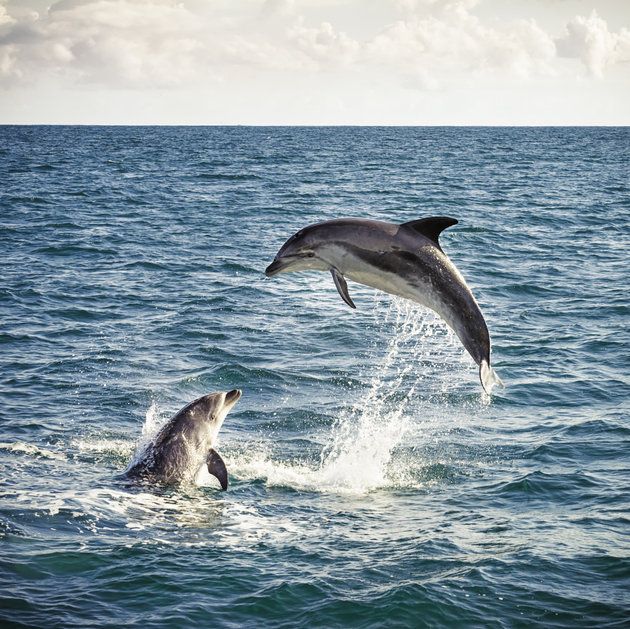
In late 2023, the tranquil waters of Lake Tefe in Brazil's Amazonas state became the scene of an unprecedented ecological tragedy. Scores of Amazon River dolphins and tucuxi dolphins washed ashore, lifeless, sparking urgent investigations into the cause. Hydrologist Ayan Fleischmann and his team uncovered a disturbing reality: the lake’s water temperatures had soared to 41°C (105.8°F), surpassing the warmth of most spa hot tubs. This extreme heating, fueled by a brutal drought and a heatwave linked to climate change, turned the lake into a lethal environment for aquatic life. This article delves deep into the findings of the study published in the journal Science, exploring the factors behind this crisis, its broader environmental implications, and the urgent need for climate action to protect Amazonian biodiversity.
In September 2023, Lake Tefe experienced an extreme heatwave that elevated its water temperature to a staggering 41°C (105.8°F). This temperature is hotter than the typical setting of a jacuzzi, which usually ranges between 37.8°C and 40°C (100°F to 104°F). The heatwave was compounded by a severe drought that drastically lowered the lake’s water levels, shrinking its surface area by approximately 75%. These conditions created an inhospitable environment for aquatic species, particularly vulnerable freshwater dolphins.
Hydrologist Ayan Fleischmann, from the Mamiraua Institute for Sustainable Development, describes the lake as a 'steaming cauldron,' with heat permeating not only the surface but the entire two-meter water column. The combination of intense solar radiation, shallow waters, low wind speeds, and high turbidity trapped heat within the lake, preventing cooling and creating extreme thermal stress for aquatic organisms.
The psychological impact on researchers was profound as they encountered numerous carcasses of pink Amazon River dolphins and tucuxi dolphins washed ashore. This mass die-off exposed an overlooked but critical issue: tropical lakes in the Amazon, vital for biodiversity and local communities, are extremely vulnerable to rapidly changing climatic conditions.
The Amazon River dolphin (Inia geoffrensis) and the tucuxi dolphin (Sotalia fluviatilis) are integral to the Amazon’s freshwater ecosystem. Both species are listed as endangered by the International Union for Conservation of Nature (IUCN), with the tucuxi often regarded as a guardian of rivers and a symbol of good luck by local communities. The sudden spike in water temperature severely disrupted their habitat, leading to the death of at least 153 dolphins within a single week in September 2023.
Dolphins, being warm-blooded mammals adapted to specific temperature ranges, are highly sensitive to rapid environmental changes. Elevated water temperatures reduce dissolved oxygen levels and exacerbate physiological stress, impairing their ability to hunt, reproduce, and evade predators. The heatwave thus triggered a cascade of effects that culminated in mass dolphin mortality, signaling a broader ecological imbalance within the lake.
Moreover, the deaths of these dolphins represent more than just a loss of individual animals; they signify the collapse of a complex food web. Fish populations also plummeted due to heat stress, and phytoplankton blooms altered water quality, further degrading habitat conditions. This multi-layered crisis highlights the interconnectedness of species and the fragility of tropical freshwater ecosystems.
The 2023 heatwave in Lake Tefe was not an isolated event. Climate data analyzed by the research team indicates a troubling trend: Amazonian lakes have warmed by approximately 0.6°C per decade since 1990, a rate faster than global averages. This warming trend is linked to human-induced climate change, which intensifies drought frequency, severity, and duration across tropical South America.
The Amazon basin, often referred to as the 'lungs of the planet,' plays a crucial role in global climate regulation. Yet, it is increasingly susceptible to climate extremes that threaten its biodiversity and the livelihoods of millions of people dependent on its resources. Record-breaking droughts in 2023 and again in 2024 underscore the escalating vulnerability of this region to climate perturbations.
Such climatic shifts not only raise water temperatures but also reduce river and lake volumes, concentrating pollutants and increasing water turbidity. These compounded stressors diminish aquatic resilience, making ecosystems like Lake Tefe hotspots for environmental crises with cascading socioeconomic repercussions.
The study identified four primary factors that combined to raise Lake Tefe’s water temperature to lethal levels. First, strong solar radiation during the dry season delivered intense heat directly to the water’s surface. Second, the lake’s shallow depth—around two meters—allowed sunlight to penetrate and warm the entire water column, preventing cooler layers from forming.
Third, low wind speeds minimized heat dissipation from the water surface, trapping warmth within the lake. Lastly, high turbidity, which refers to the concentration of suspended particles in the water, increased heat absorption. Sediments and organic matter absorb sunlight, further raising temperatures and reducing water clarity, which affects photosynthesis and aquatic life.
These factors reinforce each other: shallower waters elevate turbidity; higher turbidity traps more heat; and calm winds reduce cooling effects. This feedback loop creates conditions analogous to a greenhouse effect within the lake, driving temperatures to unprecedented highs.
While the mass dolphin deaths attracted widespread attention, they represent only the most visible aspect of a larger ecological crisis. Fish populations suffered massive die-offs due to oxygen depletion and thermal stress, threatening food security for local fishing communities that rely heavily on these waters for sustenance and income.
Additionally, the researchers observed a phytoplankton bloom that turned parts of Lake Tefe red, signaling severe stress on algae populations critical to the aquatic food chain. Such algal blooms can lead to hypoxic or ‘dead zones’ by consuming oxygen when they decompose, further exacerbating aquatic life mortality.
The disruption of these foundational ecological processes jeopardizes the health and productivity of the entire lake ecosystem. This cascading collapse not only threatens biodiversity but also undermines ecosystem services essential to human well-being, highlighting the urgent need for integrated conservation and climate adaptation strategies.
Lake Tefe and surrounding Amazonian waters are lifelines for indigenous and riverine communities, providing fish for nutrition, freshwater dolphins as cultural symbols, and natural resources for livelihoods. The mass mortality events and declining fish stocks directly threaten food security and economic stability for these populations.
Moreover, the loss of iconic species like the pink dolphin and tucuxi affects cultural identity and spiritual beliefs deeply rooted in the Amazon. Many indigenous groups regard these dolphins as guardians and symbols of good luck, and their disappearance represents a profound cultural loss alongside ecological damage.
The combined environmental and cultural impacts underscore the importance of involving local communities in monitoring, conservation, and climate resilience efforts. Supporting indigenous knowledge and sustainable practices can help mitigate the effects of climate change and preserve both biodiversity and cultural heritage in the Amazon.
The findings from Lake Tefe arrive at a critical moment as the United Nations COP30 climate talks convene in Brazil. They provide tangible evidence of climate change’s immediate impacts on tropical freshwater ecosystems, which have historically received less scientific attention than temperate regions.
This study highlights the urgency of reducing greenhouse gas emissions globally to prevent further warming and ecological collapse in sensitive regions like the Amazon. It also stresses the need for targeted conservation strategies that address local environmental stressors, such as drought management and habitat protection.
International cooperation, funding, and policy frameworks must prioritize vulnerable ecosystems and communities. Strengthening research capacity and environmental monitoring in tropical regions will improve early warning systems and adaptive responses, helping to safeguard biodiversity and human livelihoods amid a changing climate.
The Lake Tefe heatwave underscores significant knowledge gaps regarding tropical freshwater ecosystems’ responses to climate extremes. Future research should focus on long-term monitoring of water temperatures, species health, and ecosystem dynamics to better understand and predict climate-driven changes.
Integrating satellite data, hydrological modeling, and on-the-ground biological assessments will enhance scientists’ ability to detect early signs of environmental stress and design effective intervention measures. Collaborative efforts involving local communities and indigenous knowledge holders can enrich data collection and conservation approaches.
Additionally, investigating the combined effects of temperature, drought, pollution, and human activities on aquatic biodiversity will help identify critical thresholds and resilience factors. Such comprehensive studies are essential to inform adaptive management strategies that protect Amazonian lakes and their unique inhabitants in an era of rapid climate change.
The tragic loss of hundreds of dolphins in Lake Tefe serves as a stark reminder of the escalating impacts of climate change on tropical aquatic ecosystems. As water temperatures soar beyond natural limits, the delicate balance sustaining Amazonian biodiversity and local communities is disrupted, with far-reaching consequences. This crisis calls for urgent global and local action to curb greenhouse gas emissions, enhance ecosystem resilience, and strengthen conservation efforts. Protecting the Amazon’s freshwater habitats is not only vital for wildlife but also for the cultural heritage and livelihoods of millions who depend on these waters. Continued research and inclusive policies will be essential to navigate this unfolding environmental emergency and secure a sustainable future for the Amazon basin.
Originally reported by news.google.com. Adapted for our readers.
Keep reading
AI Trends & News
Microsoft opens Surface Laptop Ultra pre-orders from US$2,599.99. Explore its launch date, NVIDIA RTX Spark features and implications for Nigerian businesses.
Science & Technology
DJI’s IBC recognition puts pocket gimbal and panoramic capture in the spotlight. Here is how creators can assess framing, editing effort and recording workflows.
Business News
App store steering is about more than permission to add a link. Explore fees, renewal terms, customer experience and the UK consultation.
TAMFIS NIG LTD
Electrical and instrumentation engineering, bid preparation and consulting, IT and software.

