
AI Trends & News
Surface Laptop Ultra Pre-orders Open: Price, Release Date and AI Features
Microsoft opens Surface Laptop Ultra pre-orders from US$2,599.99. Explore its launch date, NVIDIA RTX Spark features and implications for Nigerian businesses.
TAMFIS NIG LTDRC 8067447CAC ACTIVEFinima, Bonny Island, Rivers State

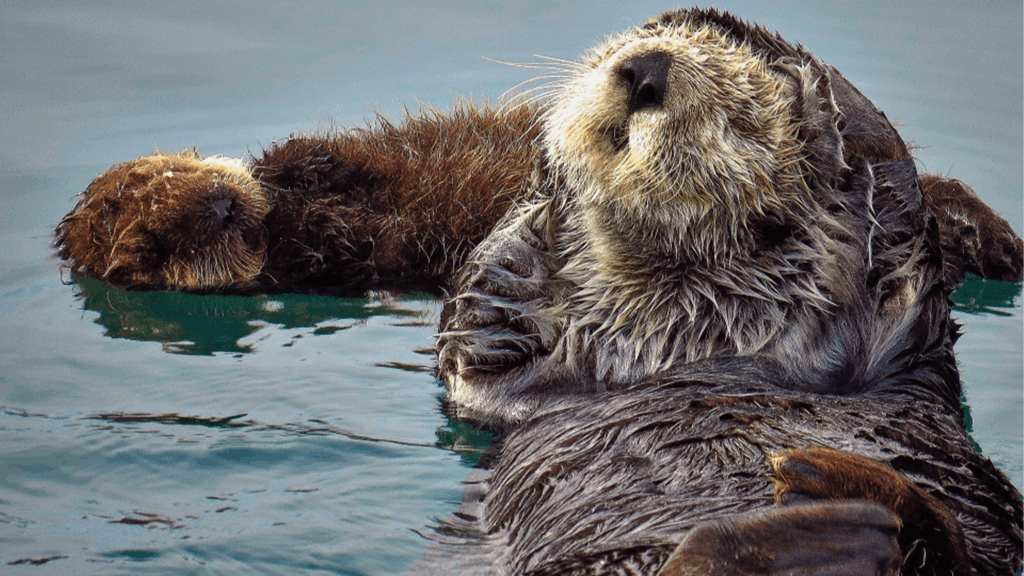
Sea Otter Awareness Week, observed annually in September, serves as both a celebration of conservation progress and an educational opportunity for the public to learn about these charismatic marine mammals. This year's theme, 'Anchored in Hope,' reflects the remarkable recovery of sea otter populations in U.S. waters after decades of decline due to hunting and highlights the connection between sea otters, their ecosystem, and human conservation efforts. The week combines scientific outreach with accessible content, including striking photography that showcases sea otter behavior while emphasizing responsible viewing practices.
Sea otters possess the densest fur of any animal on Earth, with approximately one million hairs per square inch, which requires constant grooming to trap air and maintain warmth in cold coastal waters. Unlike other marine mammals that rely on blubber, they must consume roughly 25% of their body weight daily in invertebrates such as clams, crabs, and sea urchins to fuel their high metabolism, spending up to 60% of their day feeding.
These animals rest in groups called 'rafts,' often holding hands or wrapping themselves in kelp to prevent drifting apart while sleeping. This kelp-anchoring behavior keeps them stable in rough waters and has become a powerful metaphor for the Sea Otter Awareness Week theme of 'Anchored in Hope,' symbolizing stability and resilience for both otters and humans.
As a keystone species, sea otters prey on sea urchins, helping maintain healthy kelp forests that would otherwise be overgrazed. Their presence correlates with increased biodiversity and more resilient coastal ecosystems, making their recovery vital for the broader marine environment they inhabit.
The recovery of sea otter populations in the United States stands as a notable marine conservation success. Once hunted to near extinction for their luxurious fur during the 18th and 19th centuries, their numbers plummeted to perhaps as few as 50 individuals by the early 20th century. Legal protections beginning with the International Fur Seal Treaty of 1911 and later the Marine Mammal Protection Act of 1972 provided critical safeguards that allowed populations to begin rebounding.
Today, two distinct subspecies inhabit U.S. waters: the southern sea otter (Enhydra lutris nereis) along the California coast and the northern sea otter (Enhydra lutris kenyoni) found in Washington, Alaska, and British Columbia. While southern sea otters remain listed as threatened under the Endangered Species Act, their numbers have grown from approximately 50 survivors to around 3,000 individuals today. Northern sea otter populations have shown robust recovery in many areas, though they continue to face challenges including oil spills, disease, and shark predation.
This recovery signifies the restoration of ecological function in nearshore ecosystems. Where sea otters have returned, kelp forests have regenerated, providing habitat for numerous fish and invertebrate species. Their role as a keystone species demonstrates how protecting a single pivotal species can yield widespread ecological improvements.
The photographs featured during Sea Otter Awareness Week educate the public about responsible wildlife observation. Contributing photographers consistently emphasize maintaining appropriate distances to avoid disturbing these sensitive animals, using telephoto lenses ranging from 300mm to 1200mm equivalent to obtain detailed shots while staying well beyond the sea otters' comfort zone.
Key principles include using quiet, non-motorised vessels like kayaks to minimise disturbance; selecting overcast days when fewer beachgoers are present; positioning oneself downstream or upwind to avoid alerting animals; and being prepared to withdraw immediately if animals show signs of stress. These practices align with guidelines from organisations like Sea Otter Savvy, which advocates for passive observation that prioritises animal welfare over getting the perfect shot.
Technical approaches such as cropping images in post-processing rather than approaching closer, using camera stabilisation to reduce the need for high shutter speeds that might startle animals, and understanding animal behaviour patterns to anticipate movements all contribute to obtaining compelling images without compromising animal welfare. This demonstrates that spectacular wildlife photography need not come at the expense of the subjects' wellbeing.
Organisations like Sea Otter Savvy bridge scientific research and public understanding by collecting observations from the public while educating viewers about how to interpret sea otter behaviour responsibly. Their work extends beyond Awareness Week to year-round monitoring efforts that contribute valuable data to researchers studying population trends, habitat use, and human-wildlife interactions.
The organisation's photography tips reflect a broader philosophy of wildlife engagement that values quality over quantity of interactions. By teaching the public to recognise signs of otter stress—such as sudden diving, aggressive vocalisations, or frantic grooming—they empower observers to become better stewards of marine environments. This educational approach creates multipliers where informed members of the public can help protect sea otters simply by knowing how to behave appropriately when encountering them in the wild.
Sea Otter Awareness Week exemplifies how conservation messaging can be both informative and accessible. By combining adorable imagery with substantive information about ecology, conservation challenges, and responsible viewing practices, the observance reaches audiences that might not engage with more technical scientific communications. The 'Anchored in Hope' theme successfully connects emotional appeal with meaningful action items, encouraging supporters to contribute to ocean conservation efforts in tangible ways.
Sea Otter Awareness Week offers more than just an opportunity to enjoy charming images of these charismatic marine mammals; it provides a valuable framework for understanding how conservation success stories develop and what responsibilities come with increased wildlife populations. The recovery of sea otter populations demonstrates that dedicated protection efforts can yield meaningful results, even for species once pushed to the brink of extinction. At the same time, their return to coastal waters reminds us that human-wildlife coexistence requires ongoing education and respect for boundaries. The ethical photography practices highlighted during this observance provide a model for how we can appreciate wildlife without compromising its wellbeing. As sea otters continue their gradual recovery, their story offers hope not just for this particular species but for the broader principle that thoughtful conservation efforts can restore balance to damaged ecosystems. By anchoring ourselves in hope—much like sea otters anchor themselves in kelp—we can contribute to ongoing marine conservation efforts that benefit entire coastal ecosystems.
Originally reported by popsci.com. Adapted for our readers with AI assistance.
Keep reading
AI Trends & News
Microsoft opens Surface Laptop Ultra pre-orders from US$2,599.99. Explore its launch date, NVIDIA RTX Spark features and implications for Nigerian businesses.
Science & Technology
DJI’s IBC recognition puts pocket gimbal and panoramic capture in the spotlight. Here is how creators can assess framing, editing effort and recording workflows.
Business News
App store steering is about more than permission to add a link. Explore fees, renewal terms, customer experience and the UK consultation.
TAMFIS NIG LTD
Electrical and instrumentation engineering, bid preparation and consulting, IT and software.