
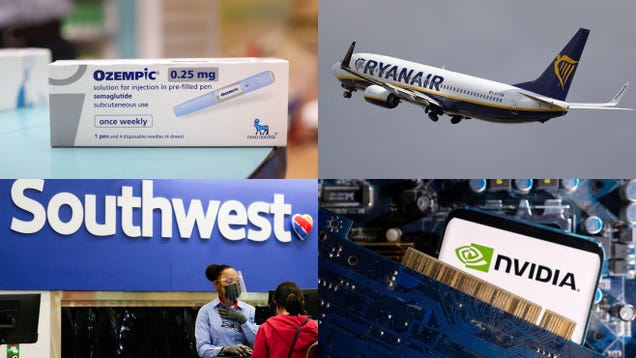
In a rapidly evolving commercial environment, several notable stories have captured the attention of investors, consumers, and industry watchers alike. From pharmaceutical breakthroughs influencing sectors beyond medicine to shifts in airline policies aimed at improving customer experience, and mounting pressures on technology behemoths, the business world is witnessing significant transformations. This article provides a detailed roundup of three pivotal themes: the expanding influence of Ozempic and related medications, Southwest Airlines' reconsideration of its open-seating model, and the emerging challenges confronting Big Tech companies. Each section offers insights into how these developments impact industries and consumers, highlighting broader economic and social trends.
Ozempic and Its Expanding Commercial Footprint
Originally developed as a treatment for type 2 diabetes, Ozempic has gained widespread attention for its significant weight loss side effects, sparking considerable demand beyond its initial medical purpose. This surge has influenced not only pharmaceutical companies but also industries such as tobacco and alcohol, which are concerned about shifts in consumer behavior linked to health trends.
The popularity of Ozempic and similar GLP-1 receptor agonists like Wegovy has prompted discussions about insurance coverage and accessibility. Recent analyses suggest that millions of Americans could become eligible for Medicare coverage of these medications, underscoring the potential for expanded market growth and the need for regulatory adaptation.
However, the rising demand for Ozempic has also led to supply challenges and ethical debates regarding off-label use. Healthcare providers and policymakers are navigating the balance between meeting demand and ensuring that patients with diabetes maintain priority access to the drug.
Southwest Airlines’ Seating Policy Under Review
Southwest Airlines, known for its unique open-seating policy, is contemplating changes to its boarding and seating arrangements. CEO Bob Jordan indicated that the airline is exploring new initiatives to improve the passenger experience and operational efficiency, although no concrete changes have been finalized yet.
The traditional open-seating model, which assigns boarding groups rather than specific seats, has been a defining feature of Southwest’s customer service. While some passengers appreciate the flexibility, others find it stressful and inefficient, prompting the airline to assess alternative seating strategies.
Potential adjustments could include assigned seating or modified boarding procedures aimed at reducing boarding times and enhancing customer satisfaction. These considerations reflect a broader trend in the airline industry to optimize in-flight experiences amid growing competition.
Big Tech Faces Increasing Market and Regulatory Pressures
The so-called “Big Six” technology companies—Apple, Amazon, Alphabet, Meta, Microsoft, and Nvidia—are confronting a challenging market outlook. UBS International Research recently downgraded these firms' earnings per share (EPS) growth expectations, forecasting a significant slowdown in the near term.
This reassessment stems from a combination of macroeconomic factors, including inflationary pressures, supply chain disruptions, and evolving consumer behaviors. Additionally, heightened regulatory scrutiny worldwide is placing further constraints on these tech giants, influencing their strategic decisions and investment priorities.
Despite these hurdles, Big Tech companies continue to invest heavily in innovation, including artificial intelligence and cloud computing. However, investors remain cautious as the sector navigates a complex landscape of growth moderation and policy challenges.
Cybersecurity Concerns in the Healthcare Sector
UnitedHealth Group’s subsidiary, Exchange Healthcare, recently experienced a cyberattack that resulted in a ransom payment, highlighting the growing cybersecurity vulnerabilities within the healthcare industry. Such incidents expose sensitive patient data and disrupt critical services, raising alarms about digital infrastructure resilience.
The healthcare sector's increasing reliance on interconnected digital systems makes it a prime target for cybercriminals. Organizations are investing in enhanced security measures, but the evolving sophistication of cyber threats demands continuous vigilance and innovation.
This breach underscores the importance of comprehensive risk management strategies and regulatory frameworks to protect patient information and maintain trust in healthcare providers and insurers.
The Impact of Geopolitical Tensions on Aviation Safety
Since the onset of the Russia-Ukraine conflict in 2022, European airspace has experienced significant disruptions due to GPS interference affecting over 46,000 flights. Aviation authorities remain cautious, as these disruptions pose safety risks even without evidence of deliberate targeting of civilian aircraft.
The situation recalls past tragedies, such as the downing of Malaysia Airlines Flight 17 in 2014, underscoring the persistent dangers of conflict zones intersecting with commercial aviation routes. Airlines and regulators are continuously adjusting flight paths and safety protocols in response.
These geopolitical tensions not only affect operational safety but also have financial implications for airlines, including increased fuel costs and rerouting expenses, adding complexity to an already challenging industry environment.
Nike’s Strategic Shift Amid Performance Challenges
Nike’s CEO John Donahoe recently acknowledged that the company is not performing at its full potential and emphasized the need for strategic changes. This candid admission came during Nike’s March earnings call, signaling a willingness to adapt to evolving market conditions.
The sportswear giant faces heightened competition, shifting consumer preferences, and supply chain complexities that have affected its growth trajectory. Nike’s response involves refining product innovation, enhancing digital sales channels, and optimizing operational efficiency.
By undertaking these transformations, Nike aims to regain momentum and strengthen its position in the global athletic apparel market, demonstrating the company's proactive approach to sustaining long-term success.
Insurance Industry Adapts to Healthcare Innovations
With the increasing adoption of weight-loss drugs like Ozempic and Wegovy, insurers are revising their coverage policies to accommodate these therapies. UnitedHealth Group, as a leading player, is at the forefront of integrating these treatments into their plans while managing cost implications.
The shift reflects a broader trend where insurance providers balance innovation adoption with affordability and access. They also face challenges in assessing long-term health outcomes and cost savings associated with these medications.
As healthcare innovation accelerates, insurers’ flexibility and responsiveness will be critical in shaping patient access and industry sustainability, influencing the broader commercial ecosystem.
Conclusion
The commercial landscape is undergoing dynamic shifts driven by innovation, regulatory changes, and geopolitical factors. Ozempic’s expanding role illustrates how medical breakthroughs can influence diverse industries, while Southwest Airlines’ potential seating policy revisions highlight evolving consumer expectations in travel. Simultaneously, Big Tech’s market challenges and healthcare cybersecurity incidents underscore the complexities businesses face today. As companies like Nike and major insurers adapt to these changes, the ability to innovate and respond strategically remains paramount. Staying informed about these developments is essential for stakeholders aiming to navigate and capitalize on the evolving commercial environment.