
AI Trends & News
Surface Laptop Ultra Pre-orders Open: Price, Release Date and AI Features
Microsoft opens Surface Laptop Ultra pre-orders from US$2,599.99. Explore its launch date, NVIDIA RTX Spark features and implications for Nigerian businesses.
TAMFIS NIG LTDRC 8067447CAC ACTIVEFinima, Bonny Island, Rivers State

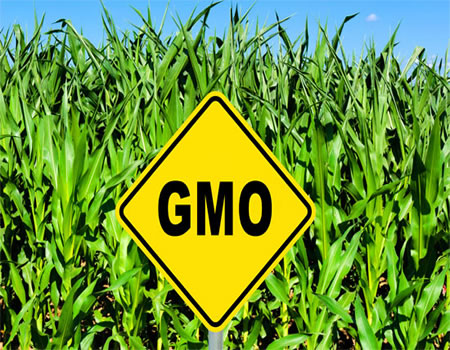
Genetically Modified Organisms (GMOs) have sparked intense debates worldwide, and Nigeria is no exception. As the country grapples with food security challenges and agricultural sustainability, biotechnology emerges as a promising tool that can transform farming practices and improve livelihoods. Yet, concerns about health risks, environmental impact, and economic consequences have fueled skepticism and opposition. This article aims to clarify these issues by presenting well-researched facts and addressing common misconceptions about GMOs in Nigeria, providing a balanced perspective on their role in the nation’s future.
Genetically Modified Organisms (GMOs) are plants, animals, or microorganisms whose genetic material has been altered using modern biotechnology techniques. Unlike traditional breeding, which relies on crossbreeding related species, genetic modification allows for precise insertion of desirable traits such as pest resistance, drought tolerance, or enhanced nutritional content.
In Nigeria, GMO crops like Bt cowpea and biofortified cassava have been developed to address specific agricultural challenges faced by local farmers. These crops are engineered to withstand pests, reduce chemical use, and improve yields, contributing to food security and economic growth.
It is important to note that GMOs undergo rigorous testing and regulatory oversight before being approved for cultivation or consumption. This ensures that they meet safety standards and are suitable for the Nigerian environment and market.
One of the primary concerns about GMOs is their potential environmental harm. Critics argue that GMO crops may lead to biodiversity loss, increased chemical use, or unintended ecological consequences. However, scientific studies and practical experiences in Nigeria suggest otherwise.
For instance, the introduction of genetically modified cowpea resistant to the Maruca pod borer insect has significantly reduced the need for frequent pesticide applications. While conventional cowpea requires up to eight chemical sprays to control pests, the GMO variety needs only two, minimizing chemical runoff and pollution.
Reducing pesticide use not only benefits the environment by protecting soil and water quality but also safeguards the health of farmers and surrounding communities. Thus, GMO adoption can promote more sustainable agricultural practices in Nigeria.
Concerns about the safety of GMO foods for human consumption persist among some Nigerians. However, over 25 years of global research have consistently demonstrated that approved GMO crops are as safe as their conventionally bred counterparts.
International organizations such as the World Health Organization (WHO), Food and Agriculture Organization (FAO), and the U.S. National Academy of Sciences have reviewed extensive data confirming that GMO foods do not pose greater health risks. Nigeria’s National Biosafety Management Agency (NBMA) also conducts rigorous risk assessments before approving any GMO products.
While ongoing monitoring is essential, current scientific consensus supports the safety of GMO foods available in Nigeria. Public awareness and transparent communication remain key to addressing fears and misinformation.
Adopting GMO technology presents significant economic advantages for Nigeria’s agricultural industry. Increased crop yields, reduced input costs, and improved farmer incomes contribute to national economic growth and poverty reduction.
For example, the use of pest-resistant cowpea varieties saves Nigerian farmers between 17 to 21 billion Naira annually by reducing the need for imported chemical insecticides. This foreign exchange savings is crucial for Nigeria’s economy.
Moreover, biotechnology-driven crop improvements create employment opportunities along the agricultural value chain—from research and development to seed production, distribution, and marketing—thus stimulating rural economies.
Nigeria faces a growing food security challenge due to population growth, climate change, and land degradation. Biotechnology offers innovative solutions to increase food production sustainably.
Drought-tolerant and pest-resistant GMO crops are specifically tailored to Nigeria’s diverse agro-ecological zones, particularly benefiting smallholder farmers in the northern regions who face harsh climatic conditions.
Biofortified GMO crops enriched with essential vitamins and minerals also help combat malnutrition, a persistent public health issue in Nigeria. These advancements support national efforts to ensure food availability, accessibility, and nutritional quality.
Nigeria has established a comprehensive regulatory framework to oversee the development, testing, and commercialization of GMOs. The National Biosafety Management Agency (NBMA) plays a pivotal role in ensuring compliance with biosafety standards.
This framework includes risk assessment protocols, environmental monitoring, and public engagement to build trust and transparency. It aligns with international biosafety agreements and best practices.
By enforcing stringent regulations, Nigeria aims to balance innovation with safety, ensuring that GMO adoption benefits society without compromising health or the environment.
Despite the potential benefits, GMOs face resistance in Nigeria due to misinformation, cultural beliefs, and lack of awareness. Some groups fear unknown long-term effects, environmental risks, or corporate control of seeds.
Public debates, like those held at the Nigeria House of Representatives, reflect these concerns but also highlight the need for science-based education and dialogue. Experts emphasize that many fears stem from misconceptions rather than evidence.
Improving public understanding through outreach programs, transparent communication, and involvement of local communities will be critical to fostering acceptance and responsible use of GMO technology.
The future of GMOs in Nigeria holds promising opportunities for enhancing agricultural productivity, food security, and economic development. Continued investment in research, capacity building, and infrastructure will accelerate the development of locally adapted GMO crops.
Collaboration between government, scientists, farmers, and international partners is essential to ensure that biotechnology solutions meet Nigeria’s unique needs and challenges.
However, responsible stewardship, ethical considerations, and inclusive policies must guide GMO adoption to maximize benefits while minimizing risks, ensuring that Nigeria’s agricultural sector thrives sustainably.
Addressing the facts about GMOs in Nigeria reveals a technology with significant potential to transform the country’s agricultural landscape positively. While concerns about health, environment, and economy are understandable, they are largely mitigated by scientific evidence and stringent regulatory controls. Embracing biotechnology can lead to improved food security, environmental sustainability, and economic growth, which are critical for Nigeria’s development. Moving forward, fostering informed public dialogue, enhancing regulatory frameworks, and investing in local research will be key to unlocking the full benefits of GMOs for all Nigerians.
Originally reported by tribuneonlineng.com. Adapted for our readers.
Keep reading
AI Trends & News
Microsoft opens Surface Laptop Ultra pre-orders from US$2,599.99. Explore its launch date, NVIDIA RTX Spark features and implications for Nigerian businesses.
Science & Technology
DJI’s IBC recognition puts pocket gimbal and panoramic capture in the spotlight. Here is how creators can assess framing, editing effort and recording workflows.
Business News
App store steering is about more than permission to add a link. Explore fees, renewal terms, customer experience and the UK consultation.
TAMFIS NIG LTD
Electrical and instrumentation engineering, bid preparation and consulting, IT and software.

