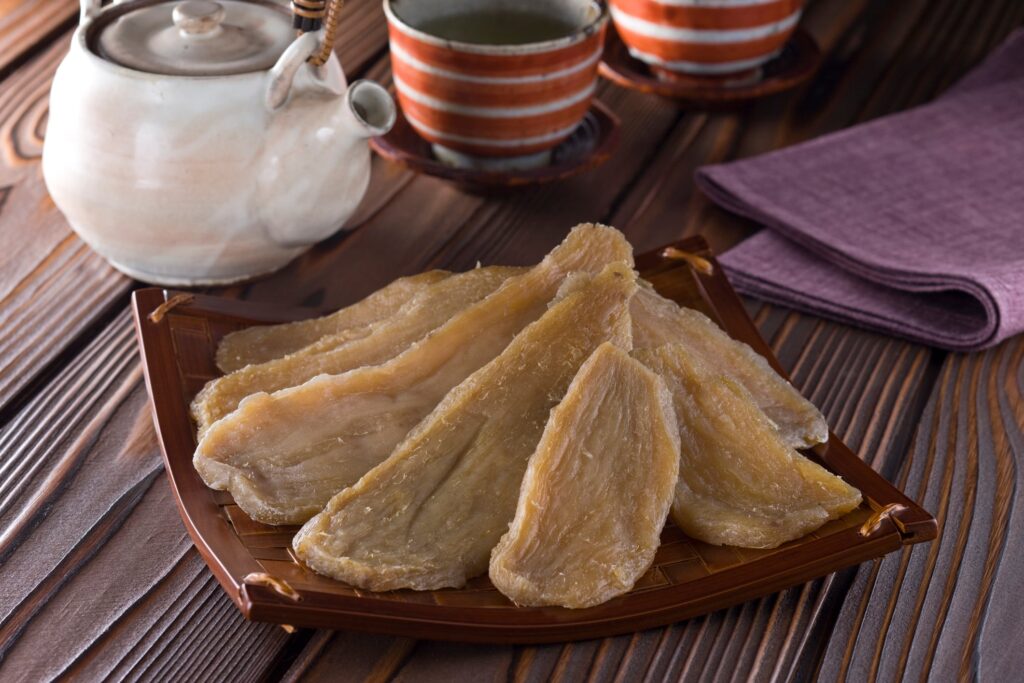
‘Selling a lifestyle choice’: Japan Future Agri seeks to ‘redefine’ dried sweet potatoes for export push
Dried sweet potatoes have long held a place in Japanese daily life, cherished for their natural sweetness and nutritional benefits. However, outside Japan, this snack remains largely unfamiliar and underappreciated. Japan Future Agri, a vertically integrated agricultural company, is working to change that narrative. Through its Oimo brand, the company is targeting the Asia Pacific region with a strategic export push that reimagines dried sweet potatoes as a modern, health-conscious snack tailored to diverse consumer preferences and lifestyles. This article explores Japan Future Agri’s approach to product innovation, marketing strategy, and market adaptation as it seeks to carve out a new niche for dried sweet potatoes beyond Japan’s borders.
A Vertical Approach to Quality and Efficiency
Japan Future Agri controls every stage of its dried sweet potato production, from cultivating organic sweet potatoes in Ibaraki to processing, packaging, and exporting finished products. This vertical integration enables the company to maintain strict quality control, streamline costs, and enhance production efficiency. By overseeing the entire supply chain, Japan Future Agri builds a strong brand reputation and ensures consistency, which is crucial when introducing a traditional product to new markets.
Currently producing about 1,000 tonnes of organic sweet potatoes annually, the company sells these domestically and in the United States under the Terunuma brand. The Oimo brand, however, is specifically designed to position dried sweet potatoes as a contemporary snack, emphasizing convenience and health benefits to appeal to modern consumers.
Health Benefits as a Key Differentiator
A central pillar of Japan Future Agri’s marketing strategy is the health advantages of dried sweet potatoes. Unlike baked sweet potatoes, which are cooked at temperatures exceeding 100 degrees Celsius, dried sweet potatoes are processed at lower temperatures between 60 and 70 degrees Celsius. This gentler drying method preserves more nutrients and results in a lower glycemic index, meaning they cause less dramatic blood sugar spikes.
Sho Sakota, director of Japan Future Agri, highlights that dried sweet potatoes can be enjoyed without the common post-snack lethargy, making them suitable for energy boosts during work or sports. Moreover, sweet potatoes are considered a semi-perfect food, capable of sustaining life with just sweet potatoes and water due to their rich nutrient profile.
These health attributes align well with the growing health-conscious trend among consumers in the Asia Pacific region, where demand for nutritious, low-glycemic snacks is rising.
Innovative Packaging and Portioning for Convenience
Understanding that convenience is paramount for busy consumers, Japan Future Agri has introduced individually wrapped, bite-sized portions of dried sweet potatoes. This packaging innovation addresses the sticky texture of sweet potatoes, preventing soiled hands and allowing for easy, on-the-go snacking.
The company envisions dried sweet potatoes as a versatile snack that pairs well with tea or serves as a quick pick-me-up during work or physical activities. By framing the product as a lifestyle choice rather than just a food item, Japan Future Agri aims to integrate dried sweet potatoes into everyday routines, particularly for consumers seeking healthy alternatives to conventional snacks.
Adapting Traditional Products for Global Palates
While dried sweet potatoes are commonly consumed in Japan as wide, flat slices or irregular shapes, these formats may not resonate with consumers in other countries. Japan Future Agri has discovered that markets such as Thailand and the United States prefer stick-shaped dried sweet potatoes, which resemble familiar snacks like French fries and fit better with local snacking habits.
This insight underscores the company’s commitment to adapting product shapes and packaging to suit regional preferences rather than exporting the product in its traditional form. Such adaptations are essential to overcoming cultural barriers and making dried sweet potatoes approachable and recognizable to new consumers.
Strategic Marketing: Organic Growth Over Mass Advertising
Despite the product’s health benefits and lifestyle appeal, Japan Future Agri remains cautious about investing heavily in mass marketing campaigns. Director Sho Sakota notes that broad advertising efforts could inadvertently benefit competitors by expanding the overall market for dried sweet potatoes.
Instead, the company is pursuing an organic growth strategy focused on tailoring products to consumer lifestyles and encouraging word-of-mouth promotion. This approach prioritizes long-term brand building and consumer education, which Sakota estimates could take up to five years to establish stable market presence in certain Asia Pacific countries.
Japan Future Agri is currently in the “pre-game” phase, conducting market research and brand promotion in preparation for new product launches planned for next year.
Future Expansion and Innovation Plans
Looking ahead, Japan Future Agri plans to expand its export efforts to regions with significant Chinese populations, such as Hong Kong, Taiwan, and Singapore, where sweet potatoes are already somewhat familiar. The company believes that previous attempts to sell dried sweet potatoes in Asia failed largely due to a lack of adaptation in packaging and product format.
With a decade of experience supplying farm produce internationally, including tomatoes under the Bio Bijin brand exported to Thailand and Don Don Donki outlets in Singapore, Japan Future Agri is well-positioned to innovate and tailor its offerings for diverse markets.
The company’s commitment to adapting and innovating traditional products for global consumers highlights a broader trend of Japanese agricultural exporters seeking to redefine local specialties as international lifestyle products.
What this means
Japan Future Agri’s Oimo brand represents a thoughtful and strategic effort to introduce dried sweet potatoes as a modern, healthy snack beyond Japan’s borders. By combining vertical integration, health-focused marketing, innovative packaging, and cultural adaptation, the company aims to transform a traditional Japanese staple into a lifestyle choice that resonates with Asia Pacific consumers. While challenges remain, particularly in educating new markets and overcoming taste preferences, Japan Future Agri’s measured approach and commitment to innovation position it well for long-term success. As consumer demand for nutritious and convenient snacks grows, the company’s efforts may well redefine dried sweet potatoes as a global snack option.
Originally reported by foodnavigator-asia.com. Adapted for our readers with AI assistance.
Obi says his wife funds her own purchases. This analysis separates his explanation, unverified handbag prices and the evidence needed to assess public spending.
Omotola’s podcast remarks raise practical questions about income, reputation and values. Here is how professionals can assess offers without inventing claims about missed earnings.