The Orion spacecraft for Artemis 2 is slated to fly all the way to the moon with four astronauts no earlier than September 2025 — but first, engineers with NASA want to make certain it is ready for the job.
Checking out in a vacuum chamber at NASA’s Kennedy Space Center started Wednesday (April 10) to evaluate Orion for “electromagnetic interference and electromagnetic compatibility,” NASA officials wrote in a press release. The aim is to make certain the spacecraft can proceed working successfully amid these fields, both spacecraft-generated and space-generated, before the big launch day.
Associated: Astronauts received’t stroll on the moon unless 2026 after NASA delays next 2 Artemis missions
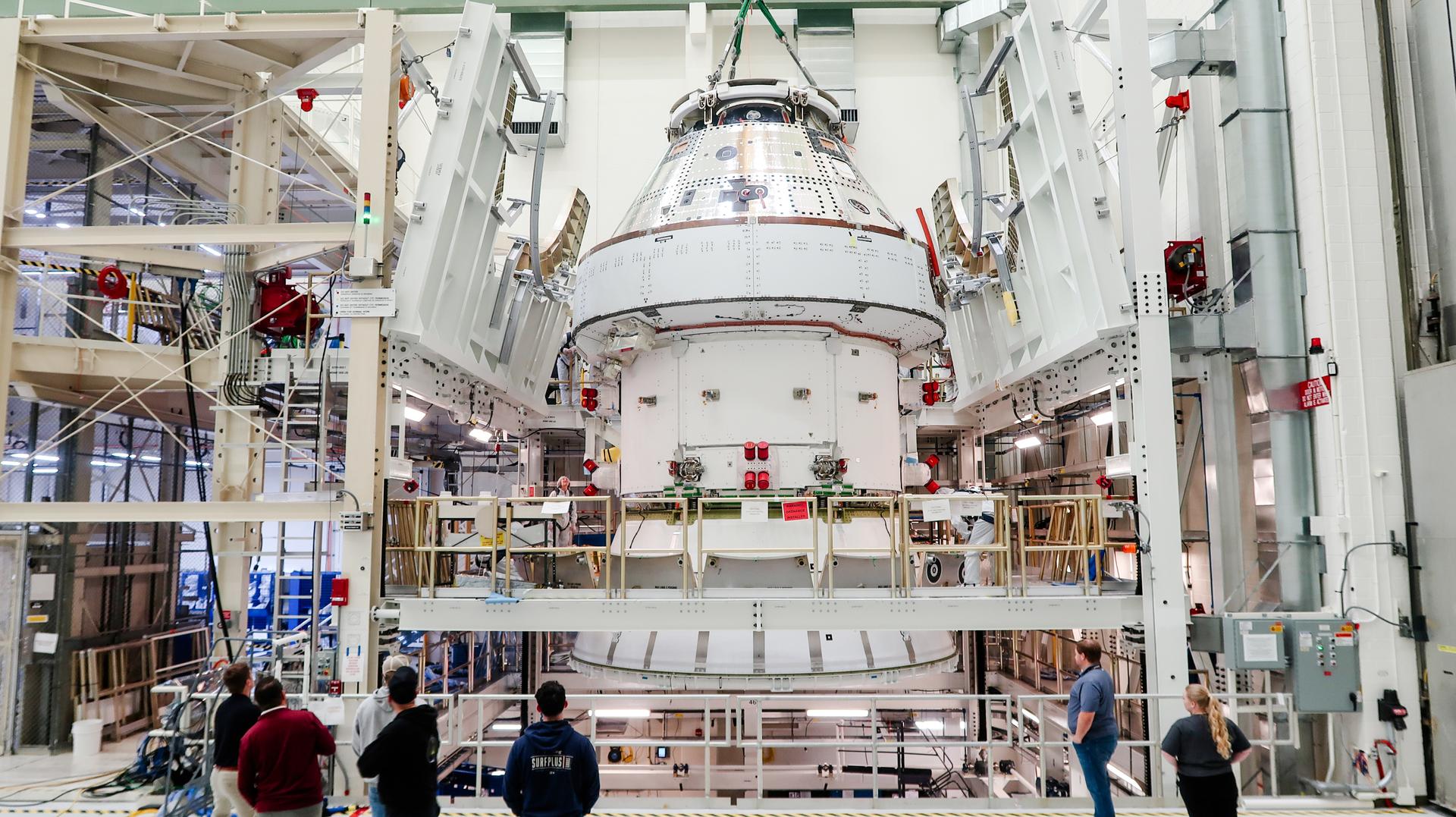
The four Artemis 2 astronauts who will fly around the moon aboard Orion areNASAcommanderReid WisemanNASA pilotVictor Glover(who will become the first Black person to leavelow Earth orbitor LEO), NASA mission specialistChristina Koch(the first woman to go beyond LEO) andCanadian Space Agencymission specialistJeremy Hansen(the first non-American to achieve the feat).
Their spacecraft, now at KSC’s Neil A. Armstrong Operations and Checkout Building, is inside a chamber with a lot of moon heritage. It was once used to “test environmental and life support systems on the lunar and command modules during the Apollo program” that sent 9 astronaut crews to the moon between 1968 and 1972, NASA officials wrote.
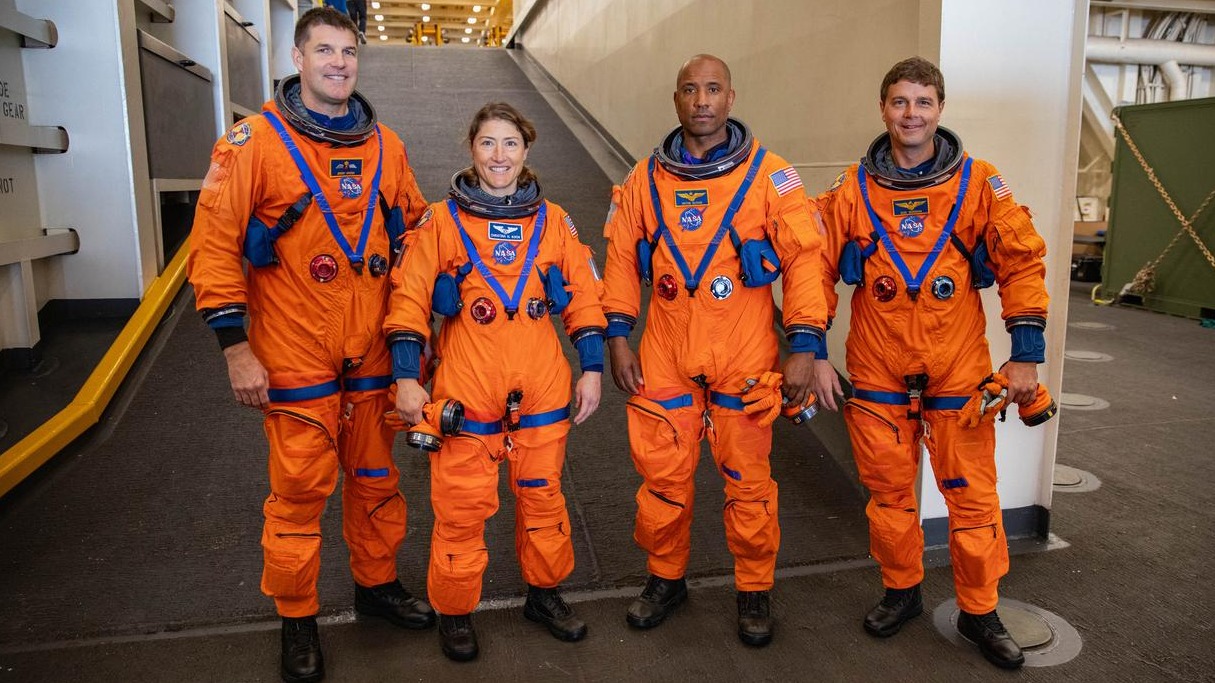
There are a few altitude chambers available at KSC; Orion is in the west chamber, which was once upgraded to “test the spacecraft in a vacuum environment that simulates an altitude of up to 250,000 feet (76.2 km),” NASA wrote.
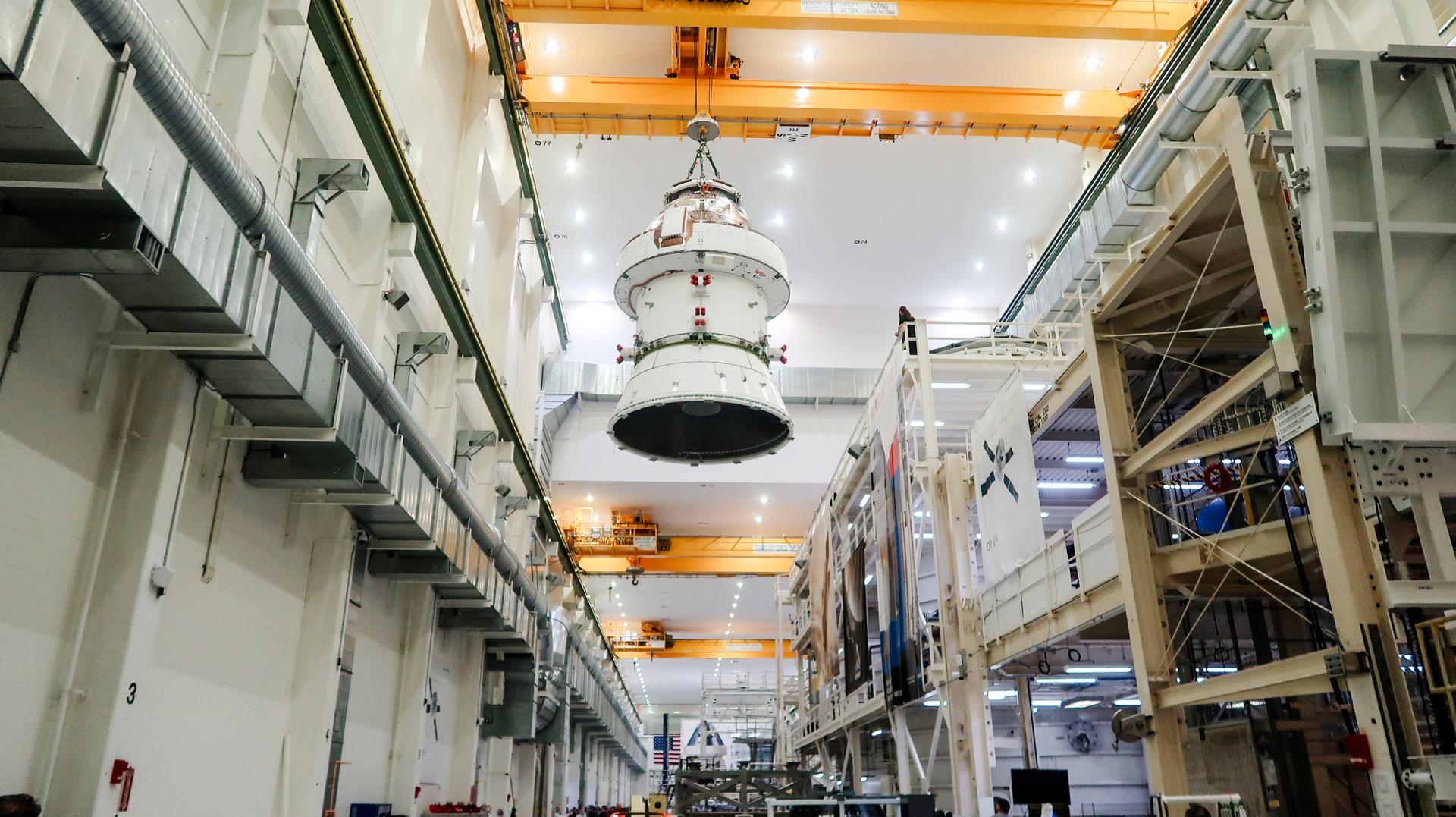
Technicians hoisted Orion into that chamber on April 4 using a newly installed 30-ton crane in the building, which could move the stacked Orion crew and service modules into the chamber, manipulate the lid of the chamber and carefully move the spacecraft in the building’s high bay.
While Orion spacecraft have flown to space twice before, this mission could be the first with astronauts on board. This could also test new systems, such as life support. (The spacecraft model’s previous journeys were the Artemis 1 uncrewed mission to lunar orbit in late 2022 and a rapid trip to Earth orbit in 2014.)
Artemis 2’s Orion has more work in store after the altitude chamber. This might per chance next be despatched to one other zone, known as Preferrred Assembly and Programs Checking out, in the identical KSC building. Then, more altitude attempting out will happen “to habits a take a look at that simulates as shut as doable the conditions in the vacuum of deep put,” NASA wrote. Those altitude tests might per chance presumably launch up as quickly as this summer season.
Artemis 2 will kick off the increased crewed Artemis program, which plans to set apart boots on the moon again with Artemis 3 as quickly as 2026. Each and every missions were delayed in January 2024 on account of technical components; Artemis 2 became once pushed aid about 9 months whereas Artemis 3 is forecast to motivate a further 300 and sixty five days.
The NASA-led Artemis program is at last slated to establish a settlement on the moon’s south pole, near water resources that exist there.
The Artemis Accords consist of 35 countries committing to peaceful exploration norms led by NASA; a subset of these countries, including Canada, are providing hardware for moon missions. Japan, another signatory to Artemis, committed to a pressurized lunar rover for astronauts and could be the first nation other than the US to land an astronaut on the moon, NASA and Japan announced on Wednesday (April 10).