AI Trends & News
Surface Laptop Ultra Pre-orders Open: Price, Release Date and AI Features
Microsoft opens Surface Laptop Ultra pre-orders from US$2,599.99. Explore its launch date, NVIDIA RTX Spark features and implications for Nigerian businesses.
TAMFIS NIG LTDRC 8067447CAC ACTIVEFinima, Bonny Island, Rivers State


Out-of-home (OOH) advertising has undergone significant transformation in recent years, driven by advancements in technology and shifting consumer expectations. Traditional static billboards and posters are no longer sufficient to capture attention in a world overwhelmed by digital stimuli. Enter multisensory OOH experiences, which blend visual, auditory, tactile, and sometimes olfactory elements to create immersive environments that engage multiple senses simultaneously. This approach not only heightens emotional connection but also increases brand recall and consumer interaction. As immersive experiences take precedence, this article delves into whether multisensory OOH represents the future of outdoor advertising.
Out-of-home advertising has evolved from simple static displays to dynamic digital formats that incorporate motion and interactivity. Initially, billboards served purely as visual mediums, relying on impactful graphics and catchy slogans. However, the saturation of visual advertisements and the rise of digital media have challenged OOH marketers to innovate beyond traditional methods.
The integration of digital technology, such as LED screens and interactive kiosks, marked a turning point by enabling real-time content updates and audience targeting. These advancements allowed brands to tailor messages based on time, location, or demographic data, enhancing relevance and engagement.
Despite these technological strides, OOH still primarily engages the visual sense, which limits the depth of consumer interaction. To stand out in an increasingly crowded advertising landscape, marketers are exploring multisensory approaches that incorporate sound, touch, and scent, transforming OOH from passive observation to active participation.
Multisensory marketing leverages multiple senses simultaneously to create a richer, more memorable brand experience. In OOH, this means combining visual elements with auditory cues, tactile interactions, and even olfactory stimuli to engage consumers on several sensory levels.
Research shows that multisensory engagement can boost memory retention and emotional response, making advertising more effective. For example, pairing a visual campaign with ambient sounds or scents related to the product can deepen the consumer’s connection and influence purchasing behavior.
Incorporating multiple senses also caters to diverse audience preferences and learning styles, ensuring broader appeal. This holistic sensory engagement transforms OOH from a one-dimensional message into a dynamic encounter that resonates more profoundly with viewers.
Advancements in technology have been instrumental in enabling multisensory OOH experiences. High-definition LED displays, directional speakers, haptic feedback devices, and scent diffusion systems allow brands to craft immersive environments that stimulate multiple senses.
For instance, directional audio technology can deliver targeted sound to specific zones, creating personalized auditory experiences without disturbing the surrounding environment. Similarly, interactive touchscreens and haptic surfaces invite physical interaction, enhancing engagement and dwell time.
Scent marketing, once limited to in-store environments, is now finding its way into OOH through controlled scent diffusion systems. These systems release branded fragrances that evoke emotions or memories, further amplifying the immersive power of outdoor campaigns.
For brands, multisensory OOH offers a competitive edge by enabling deeper emotional connections and stronger brand recall. Engaging multiple senses simultaneously increases the likelihood that consumers will remember and respond positively to the message.
Consumers benefit from more engaging and enjoyable experiences that break the monotony of everyday advertising. Multisensory campaigns can evoke emotions, stimulate curiosity, and encourage interaction, making the advertising feel less intrusive and more like entertainment or art.
Moreover, multisensory OOH can amplify word-of-mouth marketing as unique and memorable experiences are more likely to be shared on social media. This organic amplification extends the campaign’s reach and impact beyond the physical location.
Despite its potential, multisensory OOH faces challenges such as higher production costs and technical complexity. Integrating sound, scent, and tactile elements requires specialized equipment and expertise, which may not be feasible for all brands or locations.
There are also logistical considerations, including local regulations on noise levels and scent emissions, as well as maintenance of interactive components exposed to weather and public use. Ensuring durability and consistent performance is critical for campaign success.
Additionally, brands must carefully design multisensory elements to avoid sensory overload or negative associations. The sensory stimuli should complement the brand message and target audience preferences to create a harmonious and effective experience.
Several brands have successfully employed multisensory OOH to captivate audiences. For example, a luxury perfume brand used scent diffusion alongside large-scale visuals in high-traffic urban areas, resulting in increased brand awareness and sales uplift.
Another notable campaign integrated tactile elements and interactive soundscapes at a transit hub, inviting commuters to engage physically and aurally with the brand story. This approach boosted dwell time and social media engagement significantly.
These case studies highlight how thoughtful integration of multiple senses can transform ordinary advertising spaces into immersive brand experiences that resonate emotionally and cognitively with consumers.
As technology continues to advance, the scope for multisensory OOH will expand, with innovations such as augmented reality (AR), virtual reality (VR), and artificial intelligence (AI) enhancing personalization and interactivity.
The convergence of these technologies will enable brands to create hyper-immersive environments that adapt in real-time to audience behavior, location, and preferences, making OOH more dynamic and contextually relevant.
Sustainability considerations will also shape future multisensory OOH, prompting development of eco-friendly materials and energy-efficient technologies to minimize environmental impact while maximizing experiential impact.
Brands aiming to leverage multisensory OOH should begin with clear objectives and deep audience insights to tailor sensory elements effectively. Understanding the target demographic’s preferences and behaviors is essential to designing meaningful experiences.
Collaborating with technology providers, creative agencies, and sensory marketing experts can help deliver seamless and impactful campaigns. Testing and iteration are vital to optimize sensory stimuli and ensure they enhance rather than detract from the brand message.
Finally, measuring the impact of multisensory OOH through metrics like engagement rates, social media mentions, and sales lift will provide valuable feedback for refining future campaigns and justifying investment.
Multisensory out-of-home advertising represents a promising frontier in the evolution of brand engagement. By stimulating more than just the visual sense, brands can craft immersive, memorable experiences that cut through the clutter of traditional advertising. While challenges exist, advances in technology and creative strategy make multisensory OOH a compelling investment for forward-thinking marketers. As immersive experiences become the norm, embracing multisensory elements will likely be key to capturing consumer attention and fostering deeper emotional connections in the dynamic landscape of outdoor advertising.
Originally reported by campaignlive.co.uk. Adapted for our readers.
Keep reading
AI Trends & News
Microsoft opens Surface Laptop Ultra pre-orders from US$2,599.99. Explore its launch date, NVIDIA RTX Spark features and implications for Nigerian businesses.
Science & Technology
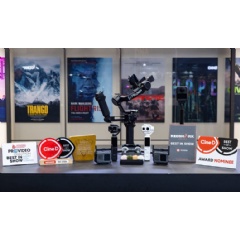
DJI’s IBC recognition puts pocket gimbal and panoramic capture in the spotlight. Here is how creators can assess framing, editing effort and recording workflows.
Business News
App store steering is about more than permission to add a link. Explore fees, renewal terms, customer experience and the UK consultation.
TAMFIS NIG LTD
Electrical and instrumentation engineering, bid preparation and consulting, IT and software.