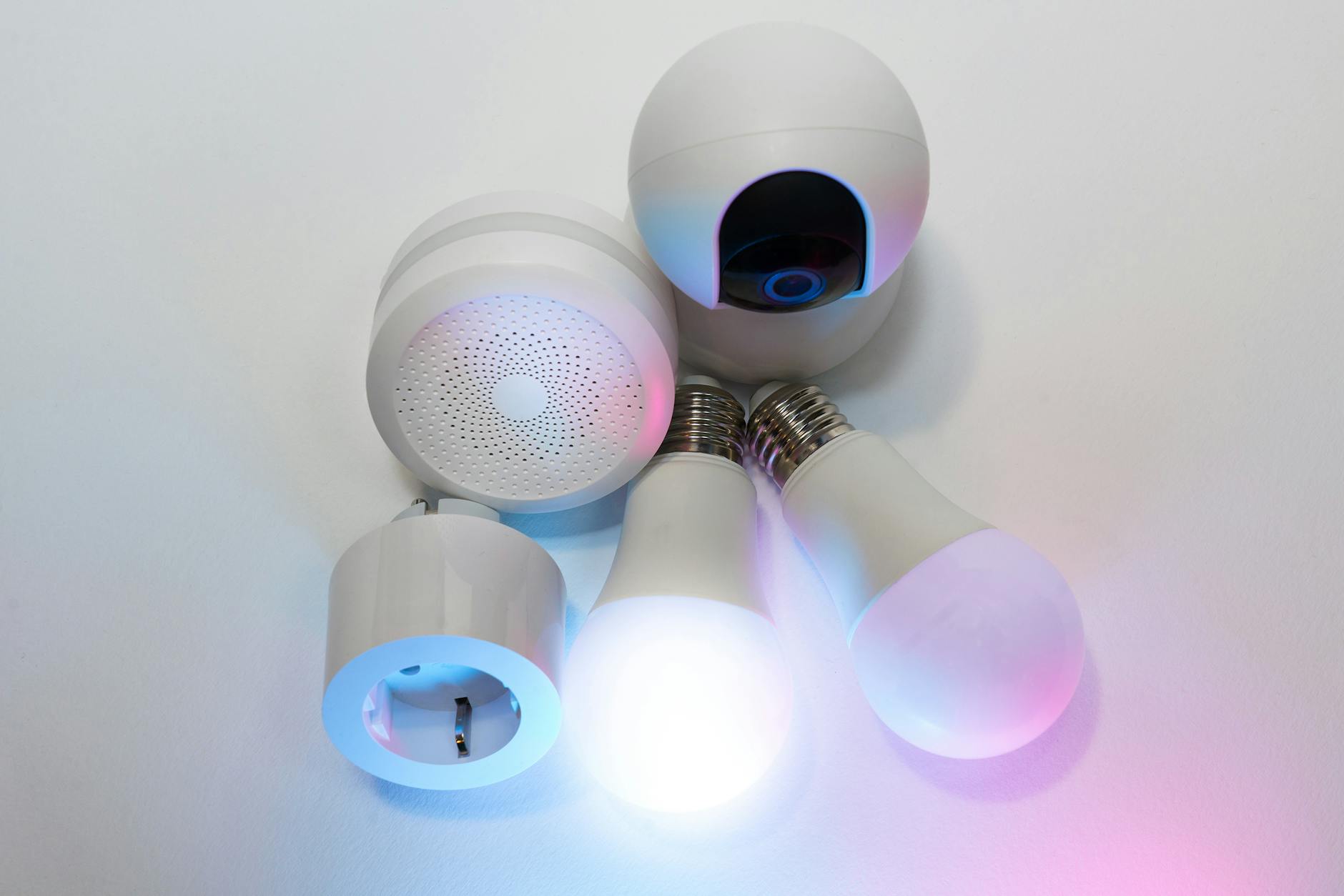
smart home devices bulbs cameras hubs
Educational Resources, Electrical

Unlocking the Mysteries of Your Home’s Electricity: A Beginner’s Guide to Basic Electrical Concepts

Electricity. It powers our lives, from the comforting glow of a bedside lamp to the whirring of our refrigerators and the endless stream of information from our devices. Yet, for many, the inner workings of this ubiquitous force remain a complete mystery, often shrouded in a veil of apprehension. But what if understanding the basics of how electricity works in your home wasn't so daunting? What if you could demystify those wires, outlets, and circuit breakers, not just to satisfy your curiosity, but to empower you to make safer, smarter decisions about your home's electrical systems? This comprehensive guide is designed specifically for homeowners and beginners, stripping away the jargon and presenting fundamental electrical concepts in an easy-to-understand manner. We'll cover everything from the invisible forces of voltage and current to the practical steps of using...
Continue reading
Educational Resources, Information Technology

Instrumentation for Environmental and Process Monitoring

Gas Analyzers Gas Analyzers Gas analyzers are critical instruments used to determine the concentration of specific gases within a given sample, whether it's ambient air, industrial emissions, or process streams. Their importance spans across environmental protection, industrial safety, process optimization, and quality control. Understanding the principles and applications of various gas analyzer technologies is fundamental for effective monitoring. Importance of Gas Analysis: Environmental Monitoring: Detecting and quantifying pollutants such as carbon monoxide (CO), nitrogen oxides (NOx), sulfur dioxide (SO2), volatile organic compounds (VOCs), and particulate matter (PM) in the atmosphere to assess air quality and identify pollution sources. Industrial Safety: Monitoring workplace environments for hazardous gases like hydrogen sulfide (H2S), methane (CH4), ammonia (NH3), and flammable gases to prevent explosions, poisoning, and other safety incidents. Process Control: Analyzing gas compositions in industrial processes, such as combustion, chemical reactions, and fermentation, to...
Continue reading
workers at electrical transformer substation
Educational Resources, Instrumentation

The Critical Role of Instrumentation in Industrial Safety: A Comprehensive Guide

Modern industrial landscapes, from vast petrochemical complexes and power generation plants to intricate manufacturing facilities, are inherently complex environments where even minor malfunctions can escalate into catastrophic events. The safety of personnel, the integrity of equipment, the protection of the environment, and the continuity of operations hinge on robust safety measures. At the forefront of these defenses are advanced instrumentation systems, meticulously designed not just to monitor processes but to actively prevent and mitigate hazardous situations. This comprehensive guide delves deep into the foundational concepts and cutting-edge technologies that underpin safety instrumentation, providing an educational and training-oriented perspective. We will explore the architecture and lifecycle of Safety Instrumented Systems (SIS), understand how Safety Integrity Levels (SIL) are determined to quantify risk reduction, and navigate the complexities of Hazardous Area Classification alongside the critical principles of Intrinsic...
Continue reading
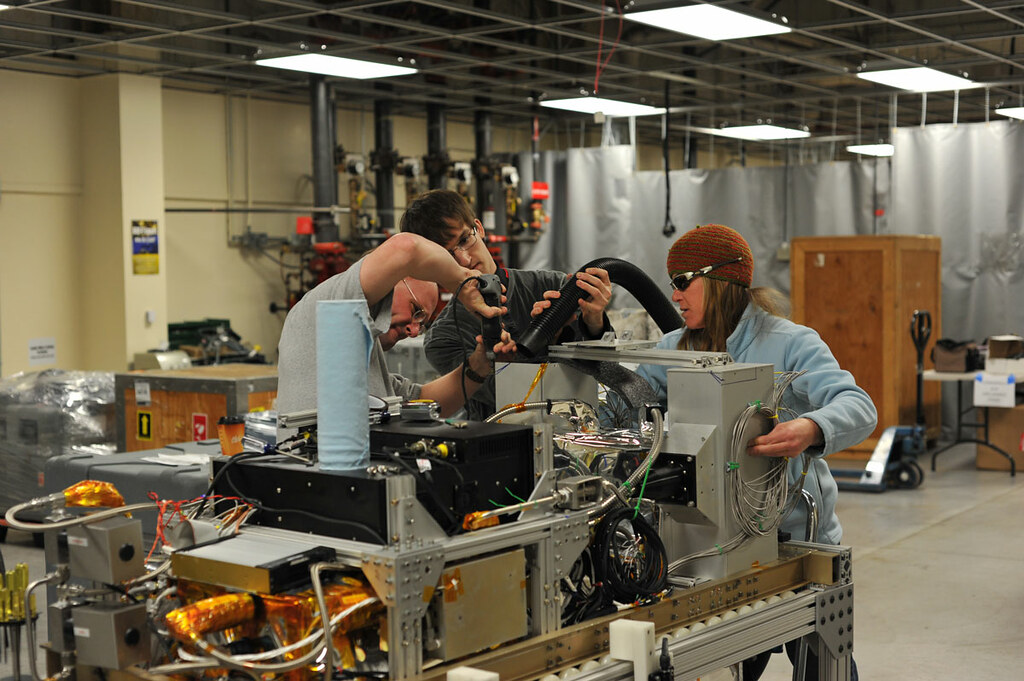
MABEL arrived at NASA's Dryden
Educational Resources, Instrumentation

Advanced Topics in Instrumentation

Instrumentation engineering has evolved significantly with advancements in electronics, digital technologies, control theory, and artificial intelligence. Modern instrumentation systems are sophisticated assemblies of sensors, signal processing circuits, control algorithms, and computational tools that collectively measure, monitor, control, and predict systems behaviour with high precision and reliability. This comprehensive article explores advanced concepts in instrumentation, specifically focusing on signal processing, real-time control, AI integration, and predictive maintenance. 1. Signal Processing in Digital Instruments Signal processing is fundamental to the operation of digital instruments, particularly in improving accuracy, reliability, and information extraction capabilities. With increasing demand for precision, digital instruments leverage sophisticated algorithms to handle noisy, distorted, or incomplete data gathered from sensors. Advanced signal processing techniques enable instrumental measurements to achieve unprecedented levels of sensitivity and specificity. Key Techniques Filtering Techniques (Digital filters): To remove noise and unwanted frequency components,...
Continue reading