
These 15 companies are innovating in climate tech
Science & Technology

These 15 companies are innovating in climate tech

Technology tamfitronics Our goal is to spotlight businesses we believe could help make a dent in climate change. This year’s list includes companies from a wide range of industries, headquartered on five continents. If you haven’t checked it out yet, I highly recommend giving it a look. Each company has a profile in which we’ve outlined why it made the list, what sort of impact the business might have, and what challenges it’s likely to face. In the meantime, I wanted to share a few reflections on this year’s list as a whole. Because this slate of companies exemplifies a few key themes that I see a lot in my reporting on climate technology. 1. Addressing climate change requires building a lot of stuff, on a massive scale, and fast. A...

Continue reading
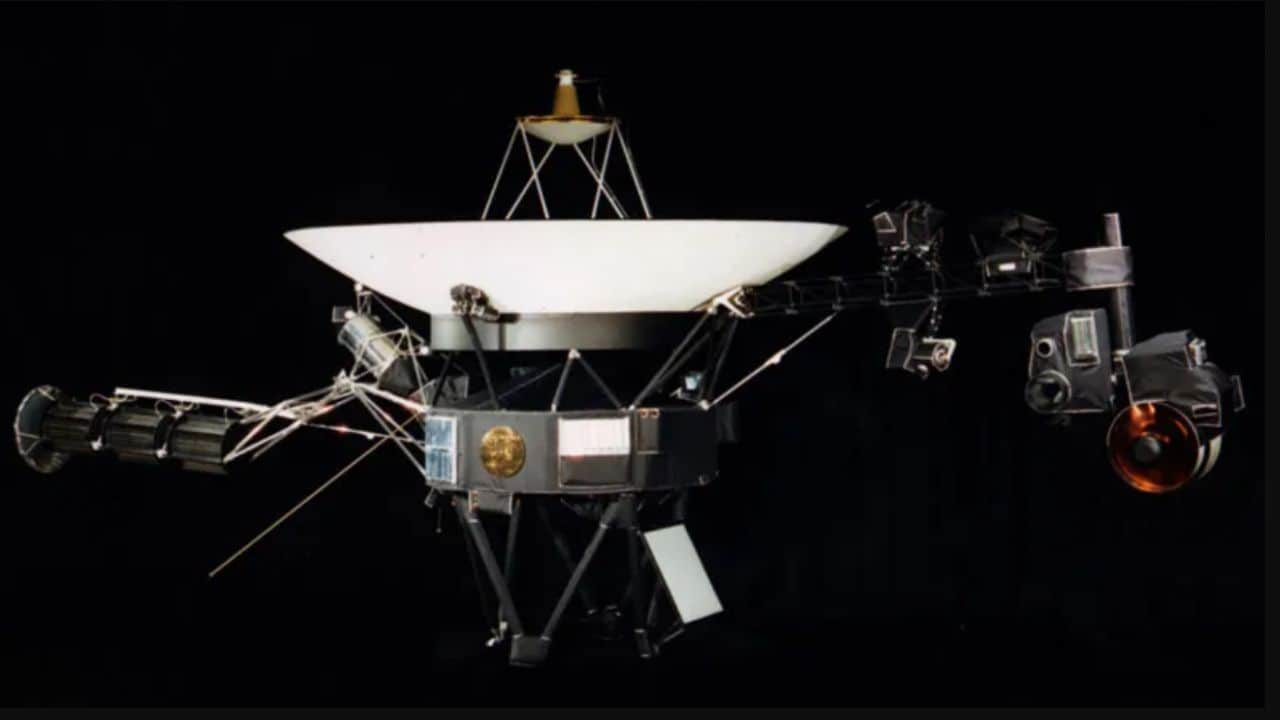
NASA powers down key instrument on Voyager 2, the only spacecraft to visit Uranus and Neptune
Science & Technology

NASA powers down key instrument on Voyager 2, the only spacecraft to visit Uranus and Neptune

NASA Space Technology HomeIndia NewsScience NewsNASA powers down key instrument on Voyager 2, the only spacecraft to visit Uranus and NeptuneNASA Space Technology Voyager 2, launched in 1977, has made historic contributions to our understanding of the outer planets, being the only spacecraft to have visited Uranus and Neptune. It made its closest approach to Uranus on January 24, 1986, and then flew by Neptune on August 24, 1989.By Anand Singha
Continue reading
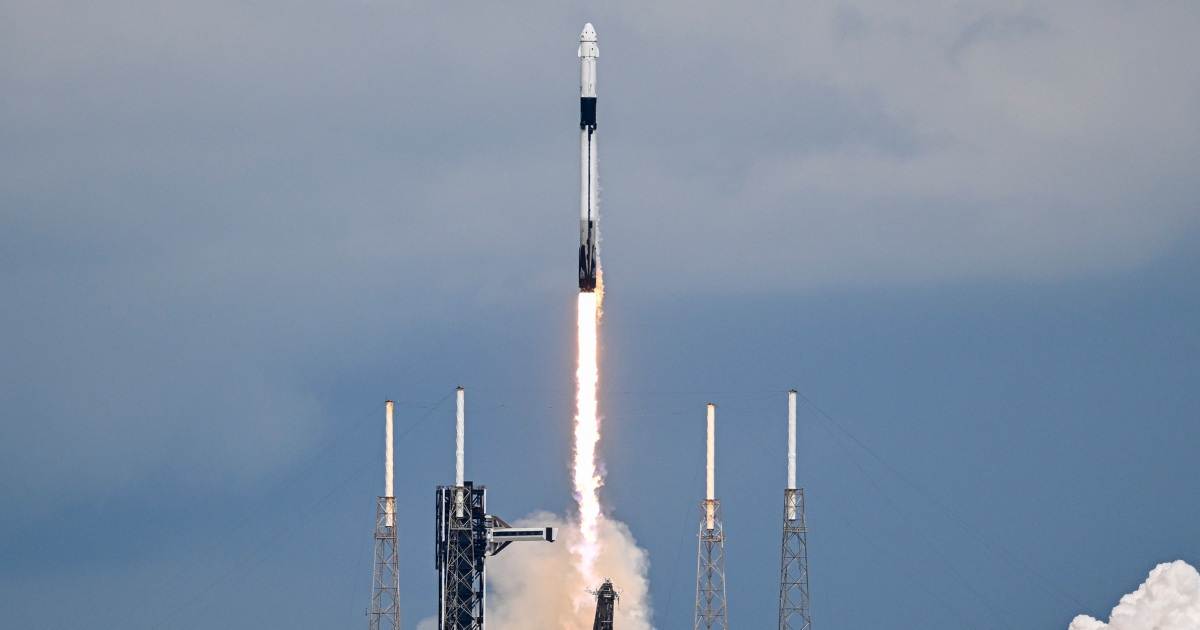
FAA grounds SpaceX’s Falcon 9 rocket after a malfunction on its return to Earth
Science & Technology

FAA grounds SpaceX’s Falcon 9 rocket after a malfunction on its return to Earth

NASA Space Technology The U.S. Federal Aviation Administration on Monday said SpaceX must investigate why the second stage of its workhorse Falcon 9 rocket malfunctioned after a NASA astronaut mission on Saturday, grounding the rocket for the third time in three months.After SpaceX on Saturday launched two astronauts to the International Space Station for NASA, the rocket body that had boosted the crew further into space failed to properly re-light its engine for its “deorbit burn,” a routine procedure that discards the booster into the ocean after completing its flight.The astronaut crew carried on to the ISS safely, docking on Sunday as planned. The FAA said there were no injuries or property damage linked to the booster mishap.The malfunction caused the booster to fall into a region of the Pacific Ocean outside of the designated safety zone...
Continue reading