Celebrating NASA’s Coast Guard Astronauts on Coast Guard Day
Science & Technology

Celebrating NASA’s Coast Guard Astronauts on Coast Guard Day

NASA Space Technology Each Aug. 4, Coast Guard Day commemorates the founding on Aug. 4, 1790, of the U.S. Coast Guard as the Revenue-Marine by Secretary of the Treasury Alexander Hamilton. Although considered an internal event for active duty and reserve Coast Guard members, we take the opportunity of Coast Guard Day to honor the astronauts who began their careers in the Coast Guard. To date, NASA has selected three astronauts who served in the Coast Guard: Bruce E. Melnick in 1987, Daniel C. Burbank in 1996, and Andre Douglas in 2021. While Melnick and Burbank have retired from NASA, the decades long relationship between the agency and the Coast Guard carries on with Douglas. Left: Coast Guard Day banner. Image credit: courtesy Veteran.com. Right: Official emblem of the U.S. Coast Guard. Image credit: courtesy...
Continue reading
NASA Ames to Host Supercomputing Resources for UC Berkeley Researchers
Science & Technology

NASA Ames to Host Supercomputing Resources for UC Berkeley Researchers

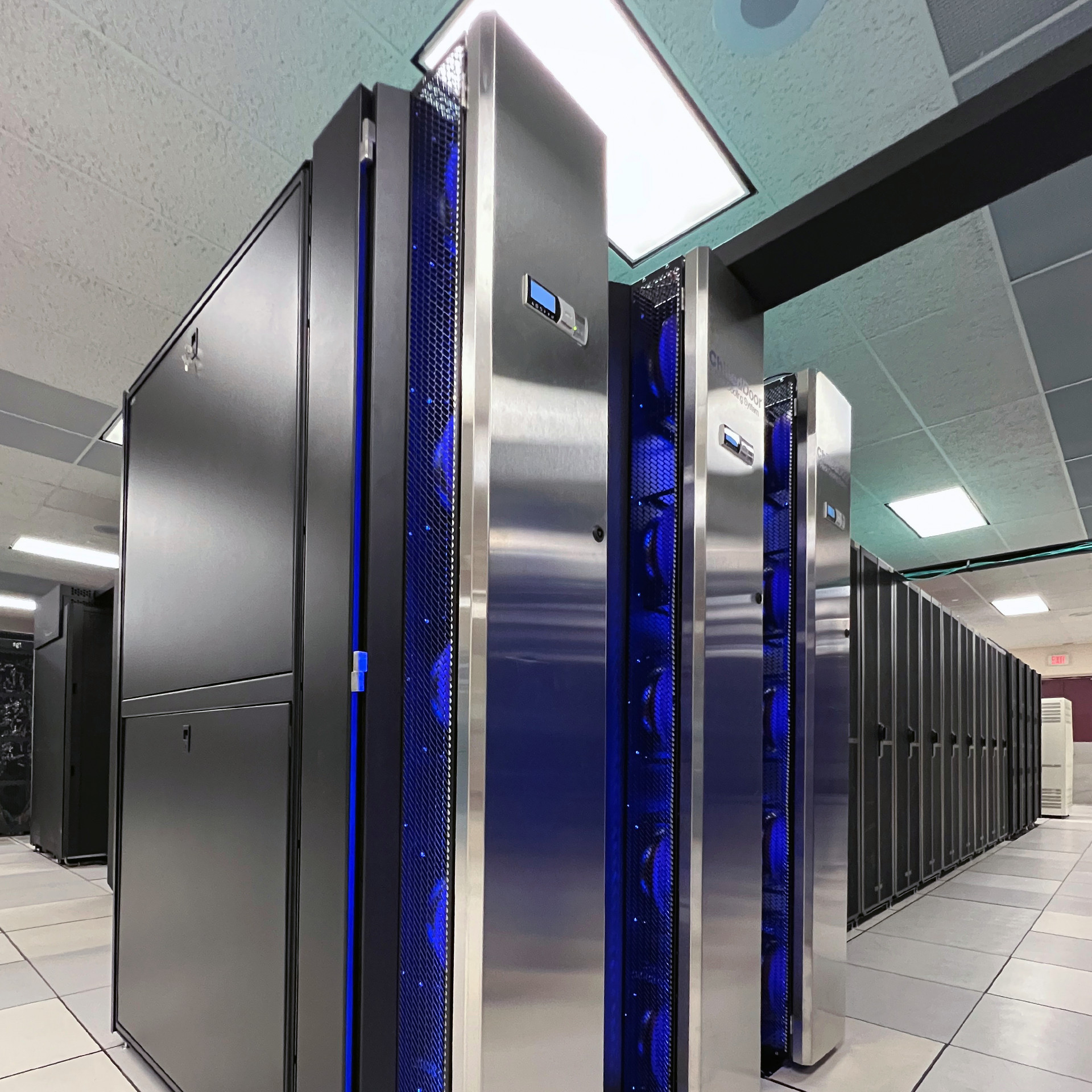
NASA Space Technology Under a new agreement, NASA will host supercomputing resources for the University of California, Berkeley, at the agency’s Ames Research Center in California’s Silicon Valley. The agreement is part of an expanding partnership between Ames and UC Berkeley and will support the development of novel computing algorithms and software for a wide variety of scientific and technology areas.Per the three-year Reimbursable Space Act Agreement, the UC Berkeley supercomputer and storage systems will be hosted at the NASA Advanced Supercomputing Facility – the agency’s premiere supercomputing center. UC Berkeley researchers will benefit from NASA’s capability in optimizing modern computing codes. NASA will gain from exchanging with the university best practices in operating and maintaining high-performance computing systems.The newest addition to the UC Berkeley “Savio” supercomputer will be housed within a NASA data center...
Continue reading
Science & Technology

NASA Losing VIPER Rover Defangs the Science from Planned Moon Landings

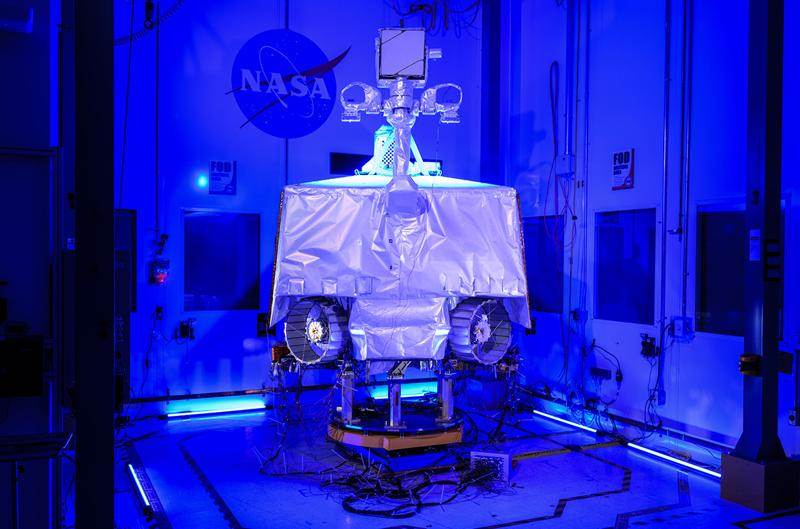
NASA Space Technology In July NASA announced its intent to erase its planned VIPER lunar rover from its roster of robotic explorers. Slated to launch in 2025, the rover’s primary job was to study water ice near the moon’s south pole. For the first time, scientists would measure from the lunar surface how much ice might be tucked beneath shadowed soils, and see how deep that ice goes and whether it comes in chunks or cubes or if it clings in minuscule amounts to tiny dust grains. As part of NASA’s Artemis program—the agency’s ambitious plan to return humans to the moon—VIPER’s observations were crucial for sustainable human space exploration.Delays and budgetary constraints got in the way. Initially the price tag for VIPER (Volatiles Investigating Polar Exploration Rover) was $433.5 million, but delays pushed its...
Continue reading