Starliner astronauts’ return trip has been pushed back even further
Science & Technology

Starliner astronauts’ return trip has been pushed back even further

NASA Space Technology Astronauts Butch Wilmore and Suni Williams, who flew on the much-delayed first crewed flight of Boeing’s Starliner craft, won’t be coming home from the International Space Station until sometime next month, well past their originally planned return date of June 14. NASA announced last night that it's pushing the date of their return trip back even further in order to allow for more reviews into problems that arose with Starliner during its flight, and to avoid conflicts with upcoming spacewalks. As of now, there’s no date set for the flight back to Earth.Starliner launched on June 5 and delivered Wilmore and Williams to the ISS about a day later. Their stay was only supposed to last a week or so. During the flight, however, four small helium leaks sprung in the...
Continue reading
NASA’s SLS Rocket: Block 1 vs. Block 1B Configuration
Science & Technology

NASA’s SLS Rocket: Block 1 vs. Block 1B Configuration

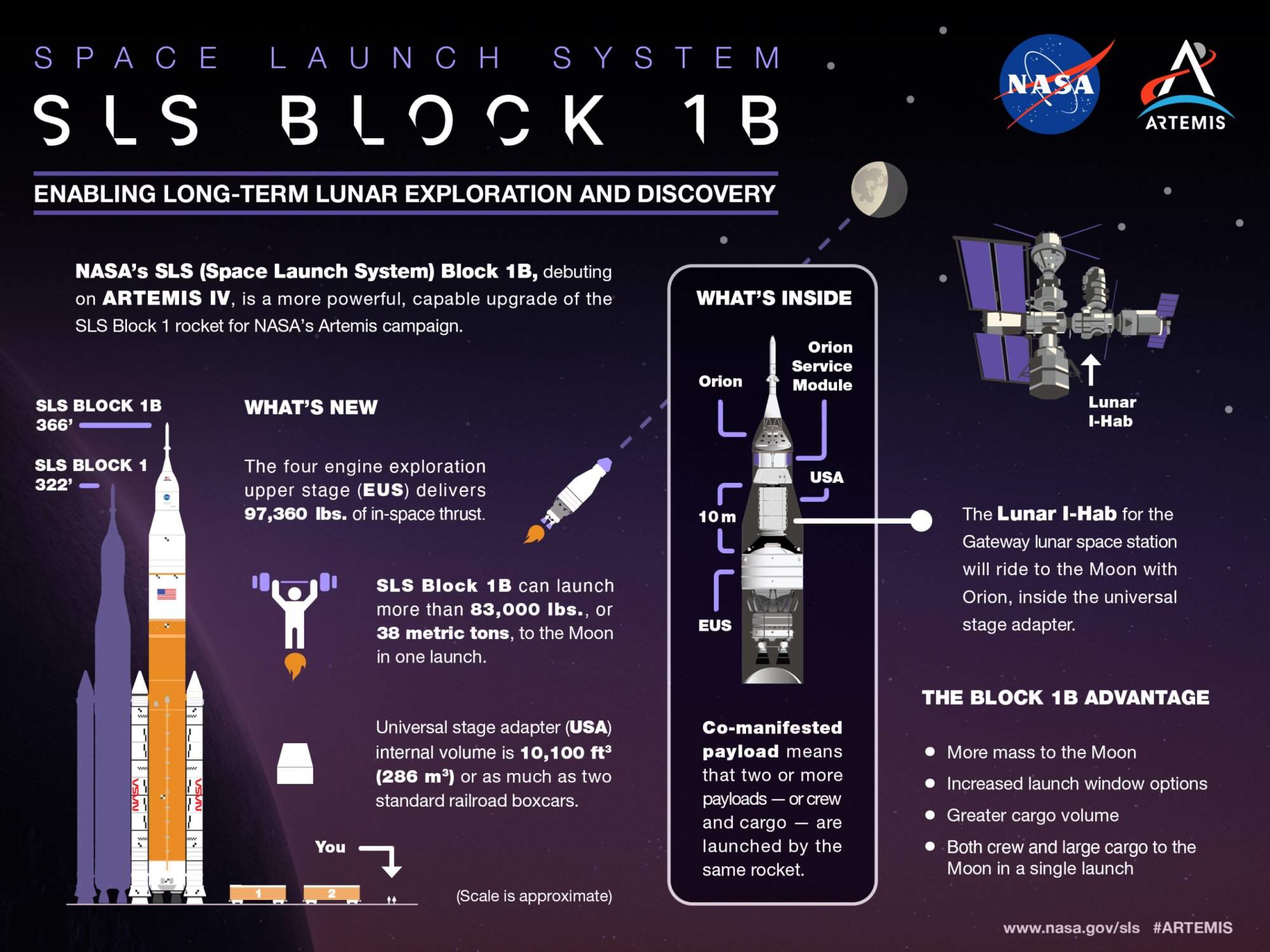
NASA Space Technology Lee BegJun 21, 2024NASA’s SLS (Space Launch System) rocket in the Block 1B cargo configuration will launch for the first time beginning with Artemis IV. This upgraded and more powerful SLS rocket will enable SLS to send over 38 metric tons (83,700 lbs.) to the Moon, including NASA’s Orion spacecraft and its crew, along with heavy payloads for more ambitious missions to deep space. While every SLS rocket retains the core stage, booster, and RS-25 engine designs, the Block 1B features a more powerful exploration upper stage with four RL10 engines for in-space propulsion and a new universal stage adapter for greater cargo capability and volume.As NASA and its Artemis partners aim to explore the Moon for scientific discovery and in preparation for future missions to Mars, the evolved Block 1B design...
Continue reading
Hypersonic Technology Project Overview
Science & Technology

Hypersonic Technology Project Overview

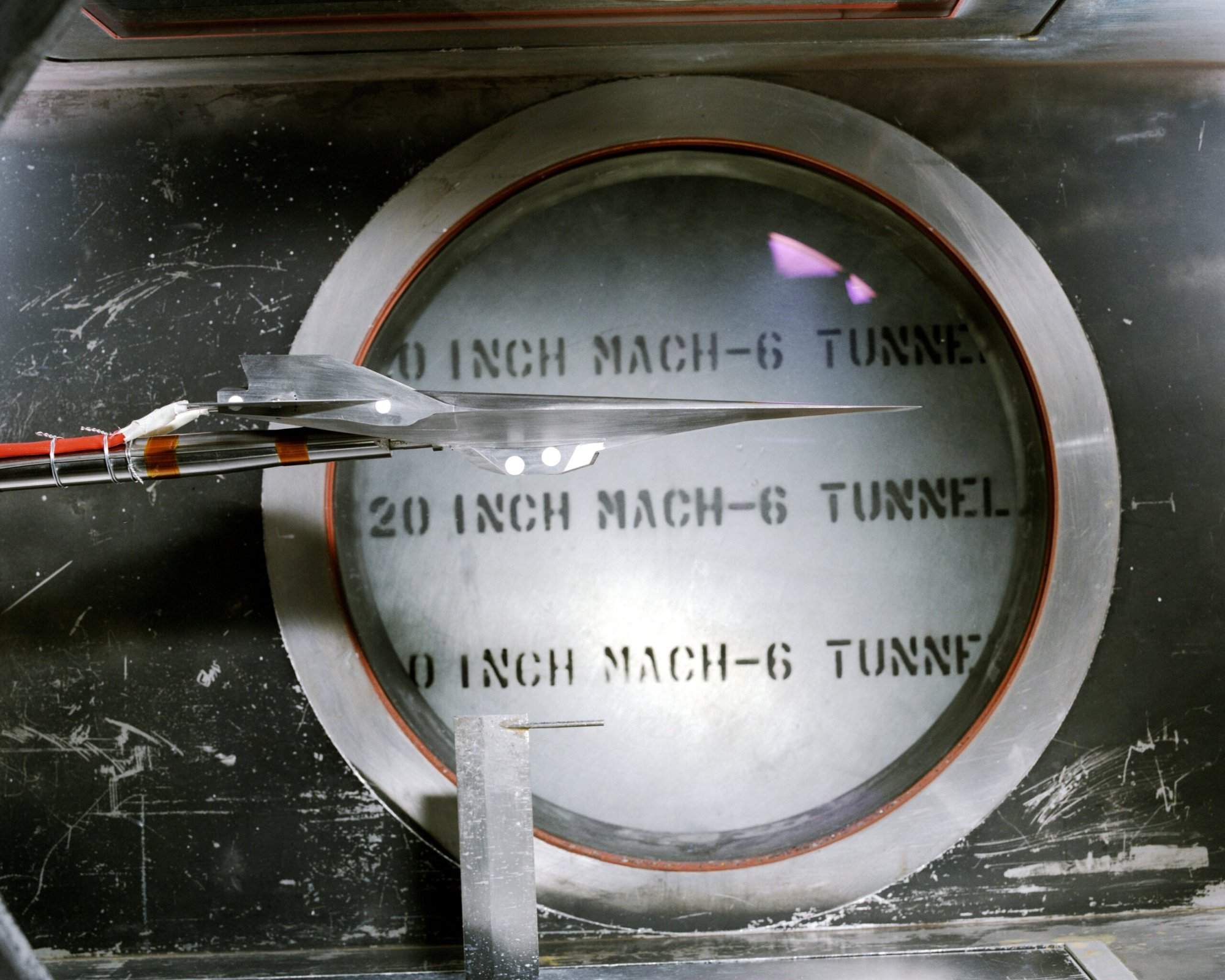
NASA Space Technology Vehicles that travel at hypersonic speeds fly faster than five times the speed of sound. NASA studies the fundamental science of hypersonics to understand it better and applies this understanding to enable point-to-point and space access hypersonic vehicles. These vehicles would use airbreathing engines, which utilize oxygen in the atmosphere. In the long term, NASA envisions reusable hypersonic vehicles with efficient engines for routine flight across the globe.Vision: Enable routine, reusable, airbreathing hypersonic flightMission: Advance core capabilities and critical technologies underpinning the mastery of hypersonic flight to support U.S. supremacy in hypersonicsApproach: Conduct fundamental and applied research to enable a broad spectrum of hypersonic systems and missionsIn the coming decade, NASA envisions the development of enabling technologies for a first-generation reusable airbreathing vehicle capable of cruising at hypersonic speeds. This work supports...
Continue reading
Hypersonics Technical Challenges
Science & Technology

Hypersonics Technical Challenges

NASA Space Technology Shannon EichornJun 21, 2024Technical Challenges (TCs) are finite-duration research and development endeavors supporting the strategic goals of NASA. The Hypersonic Technology project’s Technical Challenges include estimation of uncertainty for hypersonic research problems and vehicle systems, testing controls for switching engines mid-flight, and researching more efficient fuel combustors for large ramjets, which will be needed by future commercial high-speed planes.This Technical Challenge is complete!TC-1: System-Level Uncertainty Quantification Methodology Development and Validation: NASA developed and validated a system-level uncertainty propagation methodology to guide uncertainty-informed decision making by identifying fundamental research areas that will reduce the system performance uncertainty.TC-2: Turbine-Based Combined Cycle Mode Transition Technology Development: The Combined Cycle Mode Transition challenge demonstrates autonomous control and establishes performance/operability assessment methodologies for future reusable hypersonic propulsion systems that use turbine engines at slow speeds while transitioning...
Continue reading