China claims major fusion advance and record after 17-minute Tokamak run
Science & Technology

China claims major fusion advance and record after 17-minute Tokamak run

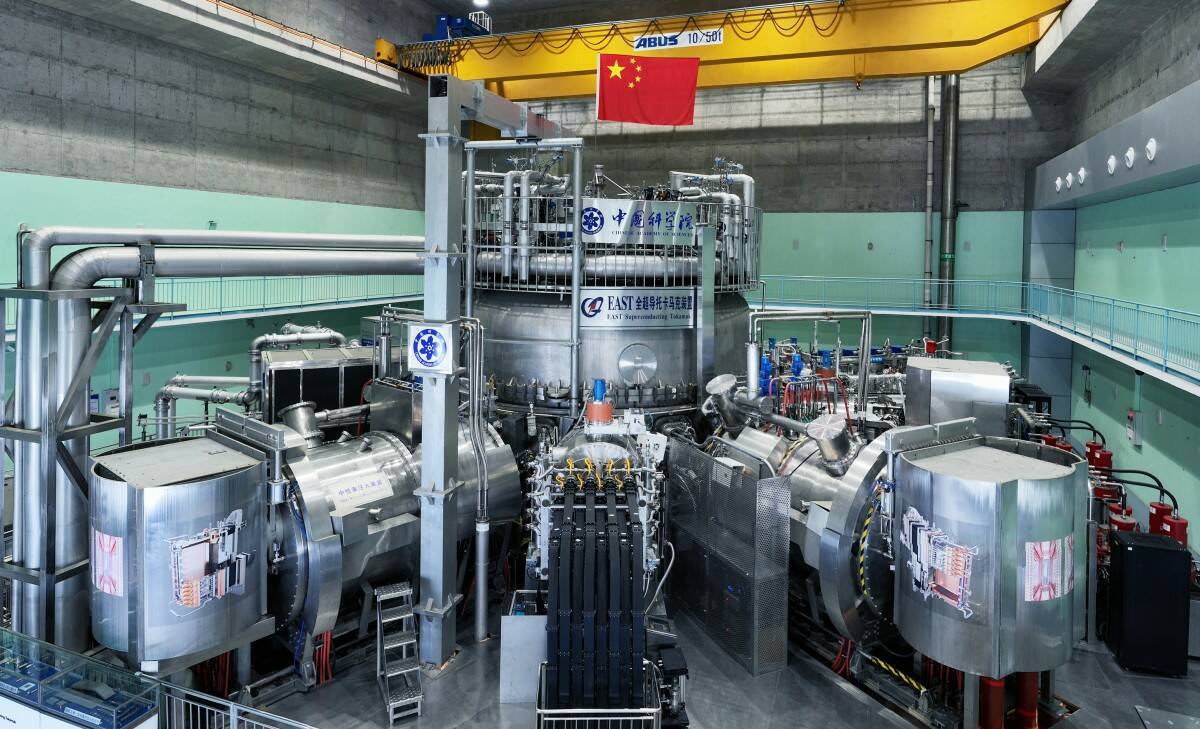
China’s Hefei Institutes of Physical Science has claimed a new world record for maintaining a steady-state high-confinement plasma operation, a feat needed to create a fusion reactor that in theory will produce vast amounts of energy at little cost. The operation was performed in the Experimental Advanced Superconducting Tokamak (EAST) which, according to the institute, maintained the operation for 1,066 seconds – almost 18 minutes and considerably longer than the previous record of 403 seconds the facility achieved in 2023. Creating plasma and keeping it contained is hard. Tokamaks do it in a chamber, often doughnut-shaped, that contains gases that are heated to high temperatures and subjected to enormous pressure until they becomes a plasma. That’s just the start of the fun, as that plasma is so hot it must then be contained with giant magnets lest...
Continue reading
A NASA space probe will fly into the sun on Christmas Eve
Science & Technology

A NASA space probe will fly into the sun on Christmas Eve

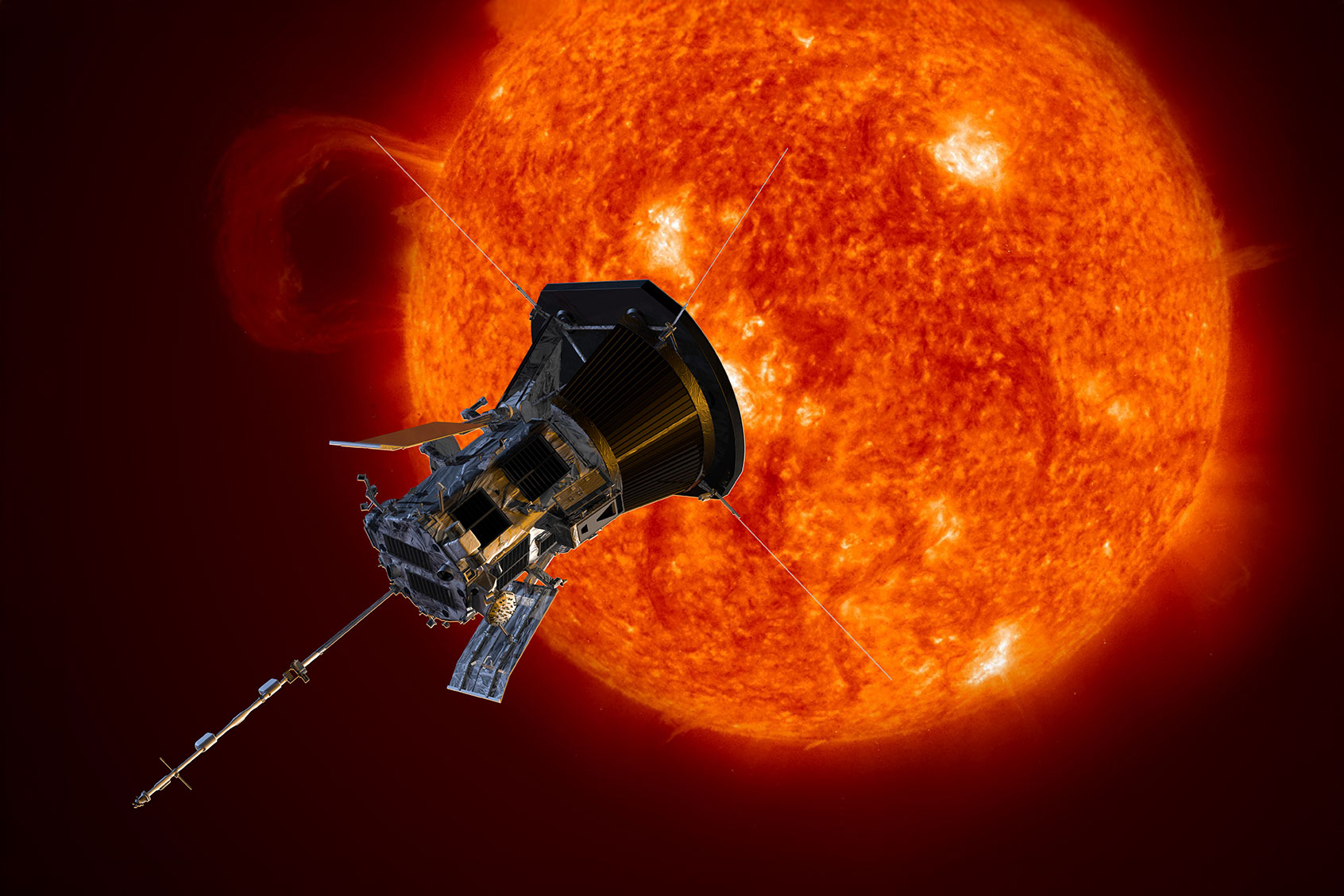
Serving tech enthusiasts for over 25 years. TechSpot means tech analysis and advice you can trust. Why it matters: The Parker Solar Probe is on an ambitious mission to study the origins of the solar wind – the constant stream of charged particles flowing outward from the sun. Despite over half a century of scientific investigation since its discovery in the 1960s, the phenomenon's precise source within the corona remains unknown. We're just days away from the Parker Solar Probe making its closest approach yet to the sun. The little spacecraft will barrel through the sun's outer atmosphere on Christmas Eve, passing within just 3.8 million miles of the surface below. That may sound like a significant distance, but for a red-hot celestial ball with a diameter...
Continue reading
Parker Solar Probe to make closest approach yet to the sun
Science & Technology

Parker Solar Probe to make closest approach yet to the sun

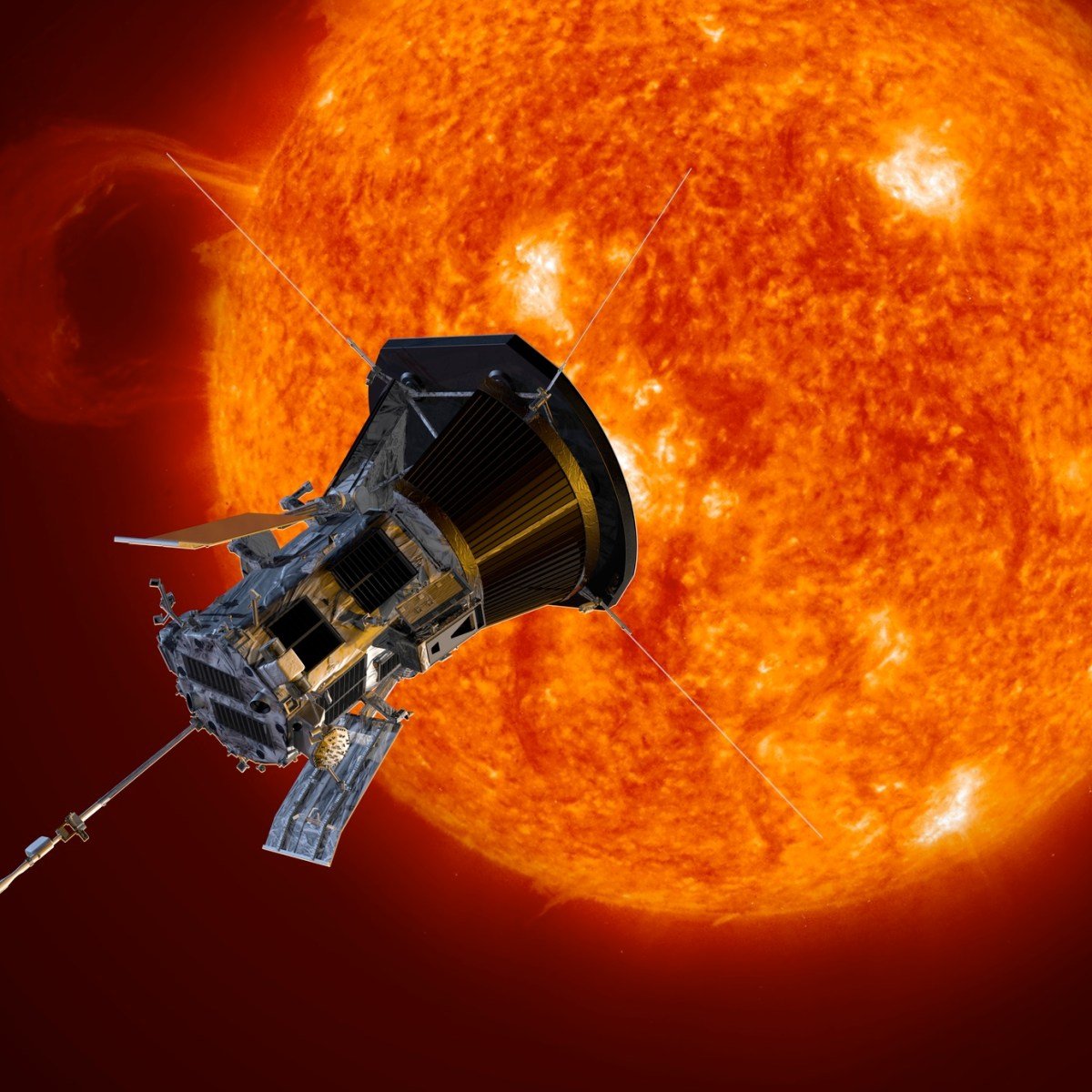
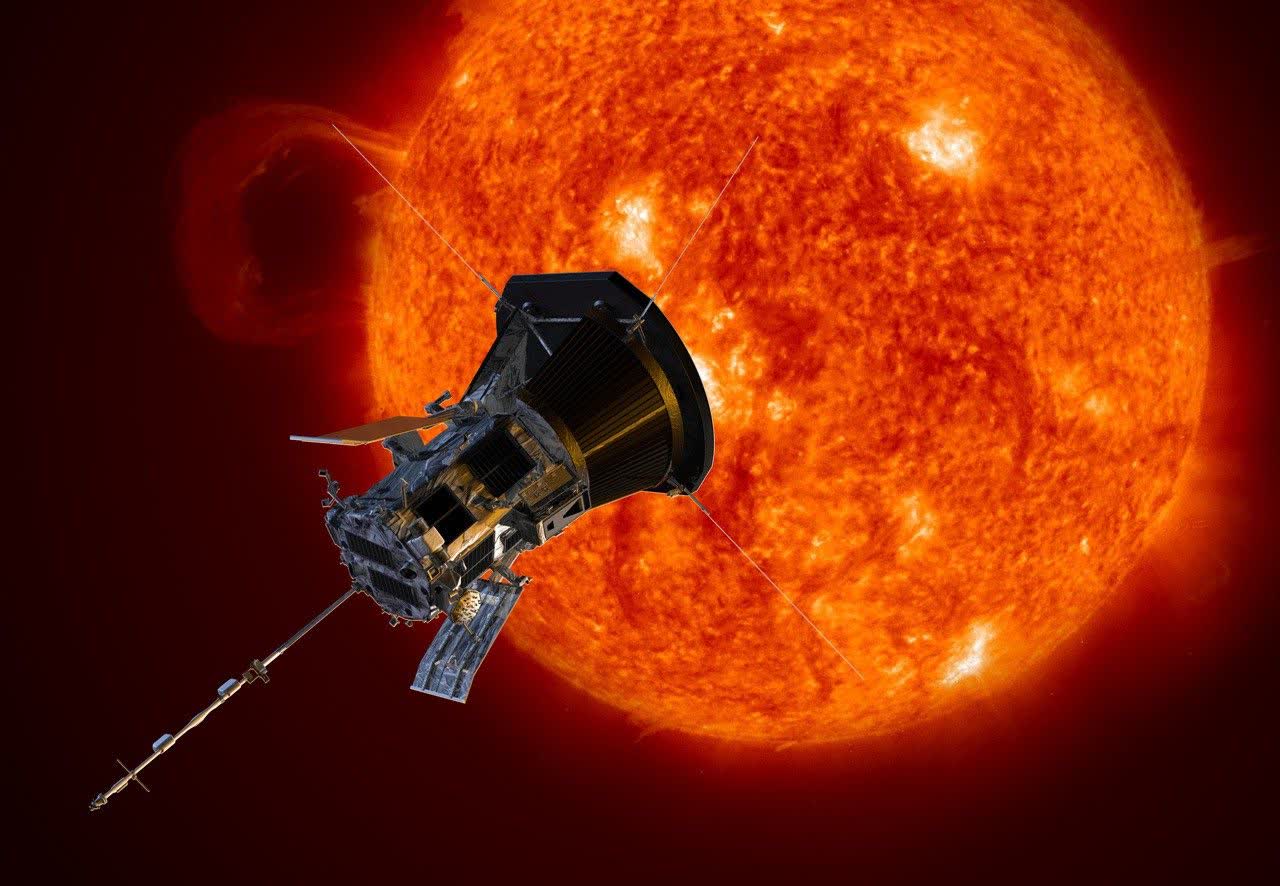
NASA's Parker Solar Probe will come withing 6.1 million kilometers of the sun, closer than any other spacecraft. Credit: ASA/Johns Hopkins APL/Steve GribbenWASHINGTON — A NASA spacecraft is performing better than expected as it makes its closest approach to the sun this week. Parker Solar Probe will pass 6.1 million kilometers from the sun at 6:53 a.m. Eastern Dec. 24, the closest approach to the sun by this or any other spacecraft. At the time of closest approach, the spacecraft will be traveling 191 kilometers per second. The spacecraft launched in 2018 and used a series of gravity-assist flybys of Venus to lower its perihelion. The final Venus flyby, on Nov. 6, set up the spacecraft for this perihelion, the closest the spacecraft will fly to the sun on its mission. “On Christmas Eve of this year, Parker...
Continue reading
NASA spacecraft touches Sun’s atmosphere, breaking record
Science & Technology

NASA spacecraft touches Sun’s atmosphere, breaking record

On Dec. 24, 2024, NASAs Parker Solar Probe made history with the closest ever approach to the Sun Published December 24, 2024 5:46PM (EST) Artists concept of the Parker Solar Probe spacecraft approaching the sun.(NASA/Johns Hopkins APL/Steve Gribben)The concept of touching the Sun can be traced back to the ancient Greek myth of Icarus, but scientists at NASA have turned that idea into a reality. On Dec. 24th, their Parker Solar Probe managed to travel to just within 3.86 million miles (6.1 million kilometers) of the Sun’s surface, a new record. The probe, which is roughly the size of a small car, has now become the human-made object to come closest to touching the Sun among everything our species has created. “Moving at up to 430,000 miles per hour (692,017 km per hour), the spacecraft...
Continue reading