
NASA Space to Soil Challenge
Science & Technology

NASA Space to Soil Challenge

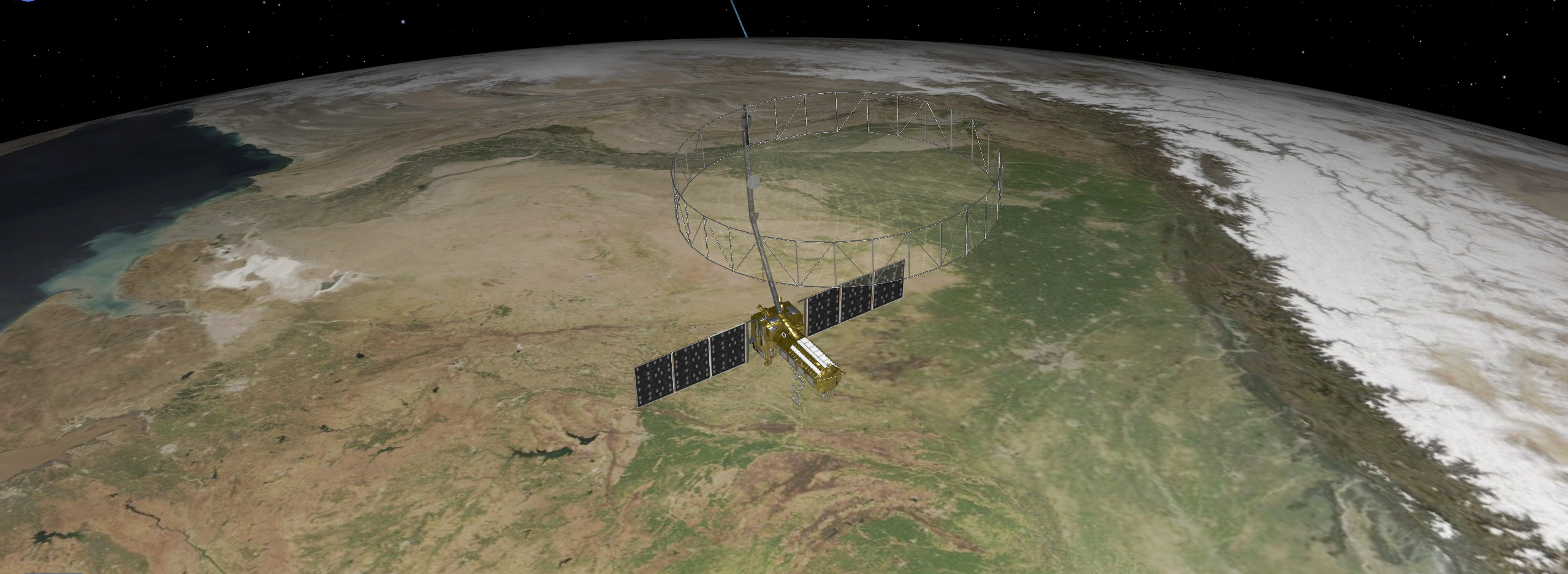
Bailey G. LightFeb 03, 2026Rapid advances in commercial space, artificial intelligence, and edge computing are transforming what is possible for Earth observation. By pushing more intelligence onboard, missions can move from passively collecting data to actively interpreting and responding to changing surface conditions in near-real time, enabling more targeted observations and dramatically improving the value of data returned to the ground. Within this context, land-focused applications such as regenerative agriculture, sustainable forestry, and broader land resilience efforts stand to benefit enormously from satellites that can adapt what, when, and how they sense based on dynamic environmental signals and algorithmic insight rather than fixed schedules or static acquisition plans. NASA Earth Science Technology Office (ESTO) invites participants to design small satellite (SmallSat) mission concepts that leverage adaptive sensing and onboard processing to enhance regenerative agriculture, forestry, or...
Continue reading
Rapid species-level metagenome profiling and containment estimation with sylph
Science & Technology

Rapid species-level metagenome profiling and containment estimation with sylph

Technology tamfitronics MainShotgun metagenomics, the sequencing of all microbial genomes in a sample, has allowed for unprecedented insight into microbial communities without the need for cultivating those communities in a wet lab1,2. Computational analyses often proceed by assembling metagenome-assembled genomes (MAGs) or profiling the reads against a database of reference sequences. While assembly is necessary for novel genome discovery, a fundamental drawback is that assembly may not work for low-abundance organisms. Reference-based profiling methods instead leverage vast collections of microbial genomes3,4 to identify microorganisms and their abundances even for low-abundance organisms.Metagenomes can be complex and large5,6,7. This necessitates accurate profiling methods that scale with high-depth samples and big databases. Algorithmic paradigms that have emerged under...
Continue reading