
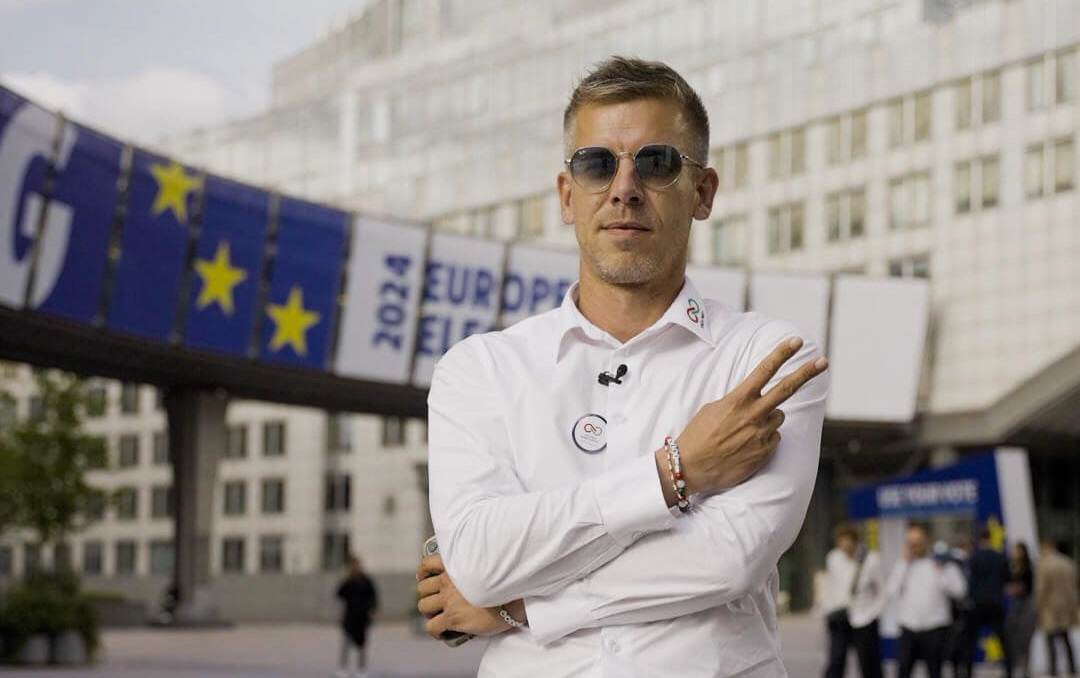
Péter Magyar demands PM Orbán’s immediate return to Hungary from his Adriatic holiday
Politics

Péter Magyar demands PM Orbán’s immediate return to Hungary from his Adriatic holiday

Politics tamfitronics TISZA party leader, Péter Magyar, expresses anger towards PM Orbán not being in the country when the people need him. He calls on the prime minister to break off his holiday in the Adriatic and order his ministers home from luxury yachts.Politics tamfitronics What is happening at Dunaferr?As Portfolio reports, workers at the Dunaújváros Ironworks (Dunaferr) staged a protest this morning over delayed salaries, gathering outside the management building at 7 AM. Liberty Steel Dunaújváros head, Rahul Yenurkar, assured that payments would be made later in the day, though the possibility of instalments has sparked dissatisfaction.The demonstration concluded peacefully after an hour and a half, but workers have agreed to protest again if payments are not made by 2 PM. This protest follows recent management decisions to reorganise working hours, signalling...
Continue reading
What does a Harris-Walz ticket mean for Christian voters?
Politics

What does a Harris-Walz ticket mean for Christian voters?

Politics tamfitronics Please enable cookies. Sorry, you have been blocked Politics tamfitronics You are unable to access washingtontimes.com Why have I been blocked? This website is using a security service to protect itself from online attacks. The action you just performed triggered the security solution. There are several actions that could trigger this block including submitting a...
Continue reading
Everyone hates “Congress.” But who are you really mad at?
Politics

Everyone hates “Congress.” But who are you really mad at?

Politics tamfitronics Quick. Think about the state of American politics. We’re polarized — it’s almost cliché to point it out.But why are we polarized? While there are plenty of reasons (some have even written whole books explaining them), our politicians and elected officials play a key part. It’s a political science phenomenon called “elite polarization,” in which the divides among elected officials spread to their voters, and the public sorts itself into ideological and partisan tribes that mirror what is being signaled from above. That downward messaging then increases what political theorists call “affective polarization,” a measure of the level of antipathy people have for members of the opposite political party.But not all elected officials are polarizing Americans — or at least, not all of them are doing it equally, according to new research...
Continue reading