

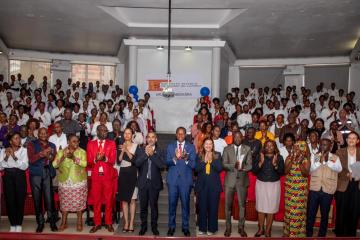
Neglected Tropical Diseases: an urgent challenge for Angola’s health and development
Health News

Neglected Tropical Diseases: an urgent challenge for Angola’s health and development

By: Dr. Nzuzi Katondi, WHO Neglected Tropical Diseases Officer in Angola World Neglected Tropical Diseases Day (NTD), marked every year on January 30, is an opportunity to reflect on a public health problem that continues to affect millions of people around the world and thousands of Angolans, especially in the most vulnerable communities. NTDs encompass a range of preventable and treatable diseases, many of which can be eliminated or eradicated. Despite global progress, these diseases continue to place a significant burden on health systems and the socioeconomic development of affected countries. In 2024, approximately 1.4 billion people worldwide required interventions against NTDs, a significant reduction of 36% compared to 2010. By early 2026, 58 countries had eliminated at least one NTD, demonstrating that elimination is possible with consistent investment and effective leadership. However, this progress is under threat....

Continue reading
200m Nigerians At Risk Of 17 Neglected Tropical Diseases – UNICEF
Top Stories

200m Nigerians At Risk Of 17 Neglected Tropical Diseases – UNICEF

Top Stories Tamfitronics The United Nations Children’s Fund (UNICEF) has raised the alarm over the looming health crisis in Nigeria, saying 200 million citizens were at the risk of contracting 17 Neglected Tropical Diseases (NTDs).The revelation was made at a two-day media dialogue on “Ending Open Defecation in Nigeria and Elimination of Neglected Tropical Diseases” on Friday in Lagos, aimed at addressing the pressing issues of poor sanitation, with a particular focus on the practice of open defecation.NTDs are a group of infections that affect the world’s poorest populations, causing long-term disabilities and, in some cases, death. The diseases thrive in areas where there is a lack of clean water and proper sanitation facilities, conditions that remain prevalent in several parts of NigeriaAddressing journalists at the meeting, the UNICEF chief of Water, Sanitation and Hygiene...
Continue reading