NASA Has Some Bad News for Its Stranded Astronauts
Science & Technology

NASA Has Some Bad News for Its Stranded Astronauts

NASA Space Technology You wouldn’t get on a plane if your probability of not making it home alive was 1 in 270. Those odds, however, are what NASA considers an acceptable LOC—or loss of crew—projection for a 210-day stay aboard the International Space Station (ISS). Beating that mortal math was very much on the minds of NASA officials at an Aug. 14 press conference during which they discussed the agency’s efforts to ensure the survival of Butch Wilmore and Suni Williams, the two astronauts currently stranded aboard the ISS.Wilmore and Williams left Earth on June 5, aiming for a mere eight-day flight of Boeing’s new Starliner spacecraft—a brief ISS stay that would certify the ship for future missions and give the U.S. a much-needed additional option if SpaceX’s Crew Dragon spacecraft, which has been ferrying...

Continue reading
Astronauts on ISS practice moon base cement-mixing tech in microgravity
Science & Technology

Astronauts on ISS practice moon base cement-mixing tech in microgravity

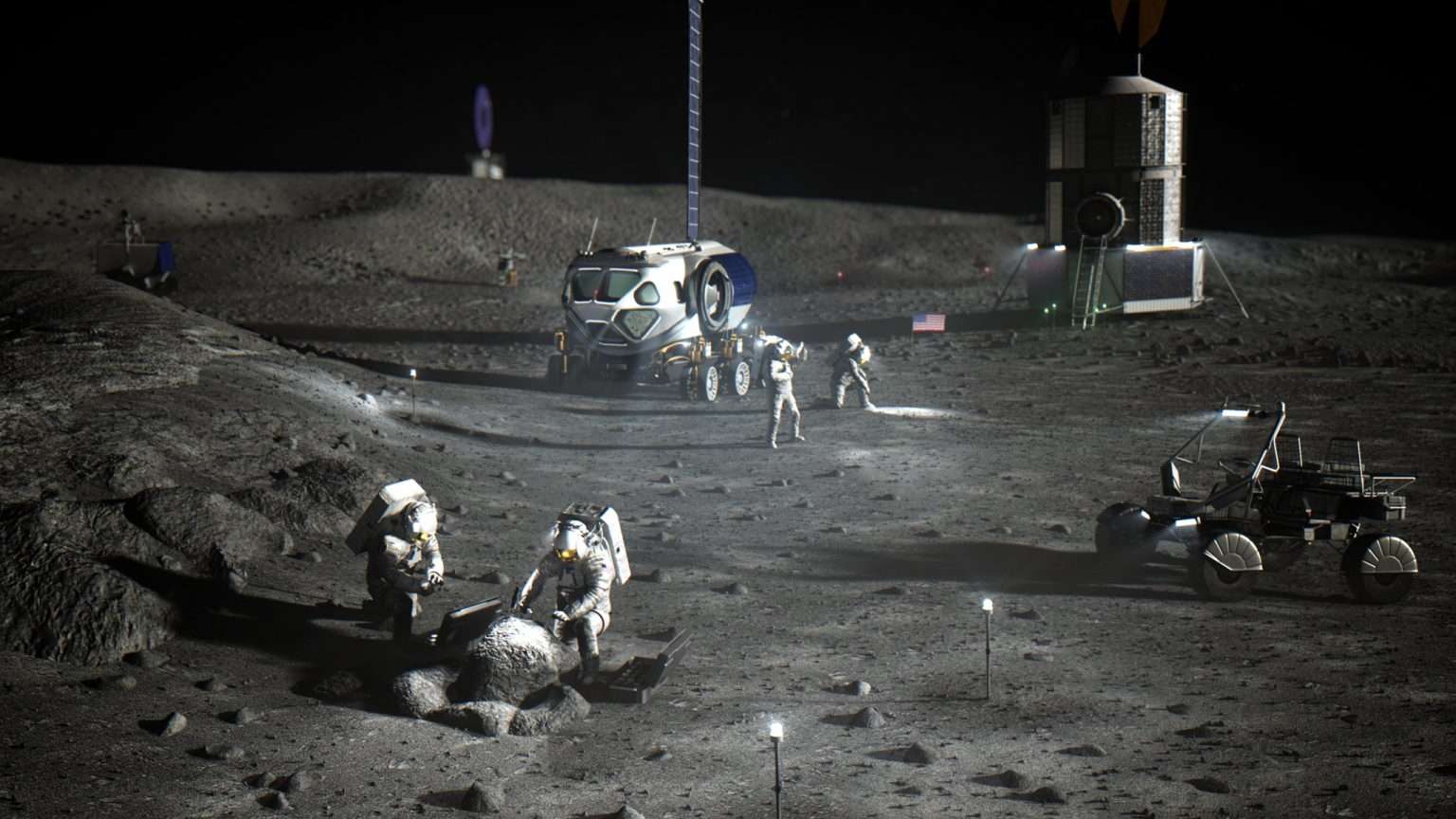
NASA Space Technology Artistic depiction of NASA astronauts at the lunar south pole carrying out early work to establish an Artemis Base Camp.(Image credit: NASA)While astronauts aren't back on the moon yet, they're already getting ready for construction.An International Space Station experiment aims to mix and match ingredients for moon construction, as NASA aims to land astronauts there as soon as 2026 under its Artemis program.The astronaut landing mission Artemis 3, and its immediate successors, will use temporary base, but the goal of NASA's Artemis Accords is to build a permanent base. But making new buildings on the moon is complicated, which is why astronauts are testing cement-mixing techniques on the ISS before flying there."NASA and its international partners are studying ways to make it economical to construct satellites in space, as well as build...
Continue reading
NASA uses Cold Atom Lab in space for first time
Science & Technology

NASA uses Cold Atom Lab in space for first time

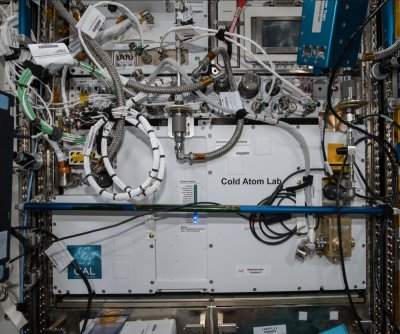
NASA Space Technology A new study released on Tuesday examines the use of NASA's Cold Atom Lab (pictured) on the International Space Station. File Photo courtesy of NASAAug. 13 (UPI) -- For the first time, ultra-cold atoms have been used to detect changes in the surrounding environment in space, taking a step of revolutionizing how quantum science can be used.A new study released Tuesday in the science journal Nature Communications, NASA's Cold Atom Lab on the International Space Station measured subtle vibrations of the orbiting lab.The team using the Cold Atom Lab made their measurements with an interferometer, a quantum tool that can accurately measure gravity, magnetic fields and other forces. Earth-bound scientists use the tool to study gravity and technologies to help aircraft and ship navigation.Physicists hope using such technology in space will allow...
Continue reading