workers at electrical transformer substation
Educational Resources, Instrumentation

The Critical Role of Instrumentation in Industrial Safety: A Comprehensive Guide

Modern industrial landscapes, from vast petrochemical complexes and power generation plants to intricate manufacturing facilities, are inherently complex environments where even minor malfunctions can escalate into catastrophic events. The safety of personnel, the integrity of equipment, the protection of the environment, and the continuity of operations hinge on robust safety measures. At the forefront of these defenses are advanced instrumentation systems, meticulously designed not just to monitor processes but to actively prevent and mitigate hazardous situations. This comprehensive guide delves deep into the foundational concepts and cutting-edge technologies that underpin safety instrumentation, providing an educational and training-oriented perspective. We will explore the architecture and lifecycle of Safety Instrumented Systems (SIS), understand how Safety Integrity Levels (SIL) are determined to quantify risk reduction, and navigate the complexities of Hazardous Area Classification alongside the critical principles of Intrinsic...
Continue reading
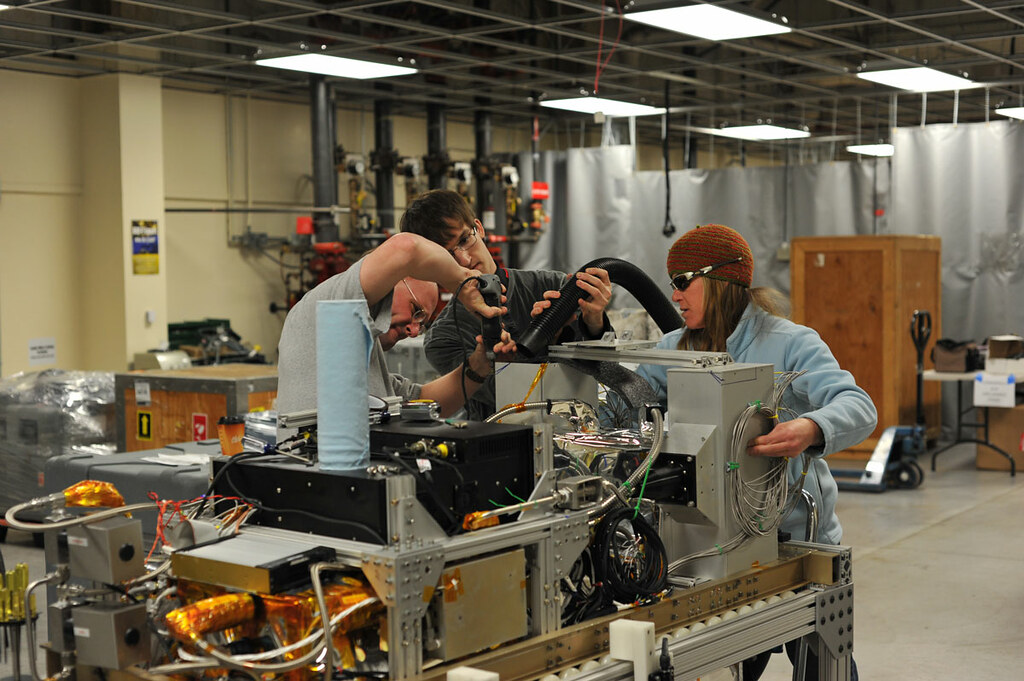
MABEL arrived at NASA's Dryden
Educational Resources, Instrumentation

Advanced Topics in Instrumentation

Instrumentation engineering has evolved significantly with advancements in electronics, digital technologies, control theory, and artificial intelligence. Modern instrumentation systems are sophisticated assemblies of sensors, signal processing circuits, control algorithms, and computational tools that collectively measure, monitor, control, and predict systems behaviour with high precision and reliability. This comprehensive article explores advanced concepts in instrumentation, specifically focusing on signal processing, real-time control, AI integration, and predictive maintenance. 1. Signal Processing in Digital Instruments Signal processing is fundamental to the operation of digital instruments, particularly in improving accuracy, reliability, and information extraction capabilities. With increasing demand for precision, digital instruments leverage sophisticated algorithms to handle noisy, distorted, or incomplete data gathered from sensors. Advanced signal processing techniques enable instrumental measurements to achieve unprecedented levels of sensitivity and specificity. Key Techniques Filtering Techniques (Digital filters): To remove noise and unwanted frequency components,...
Continue reading
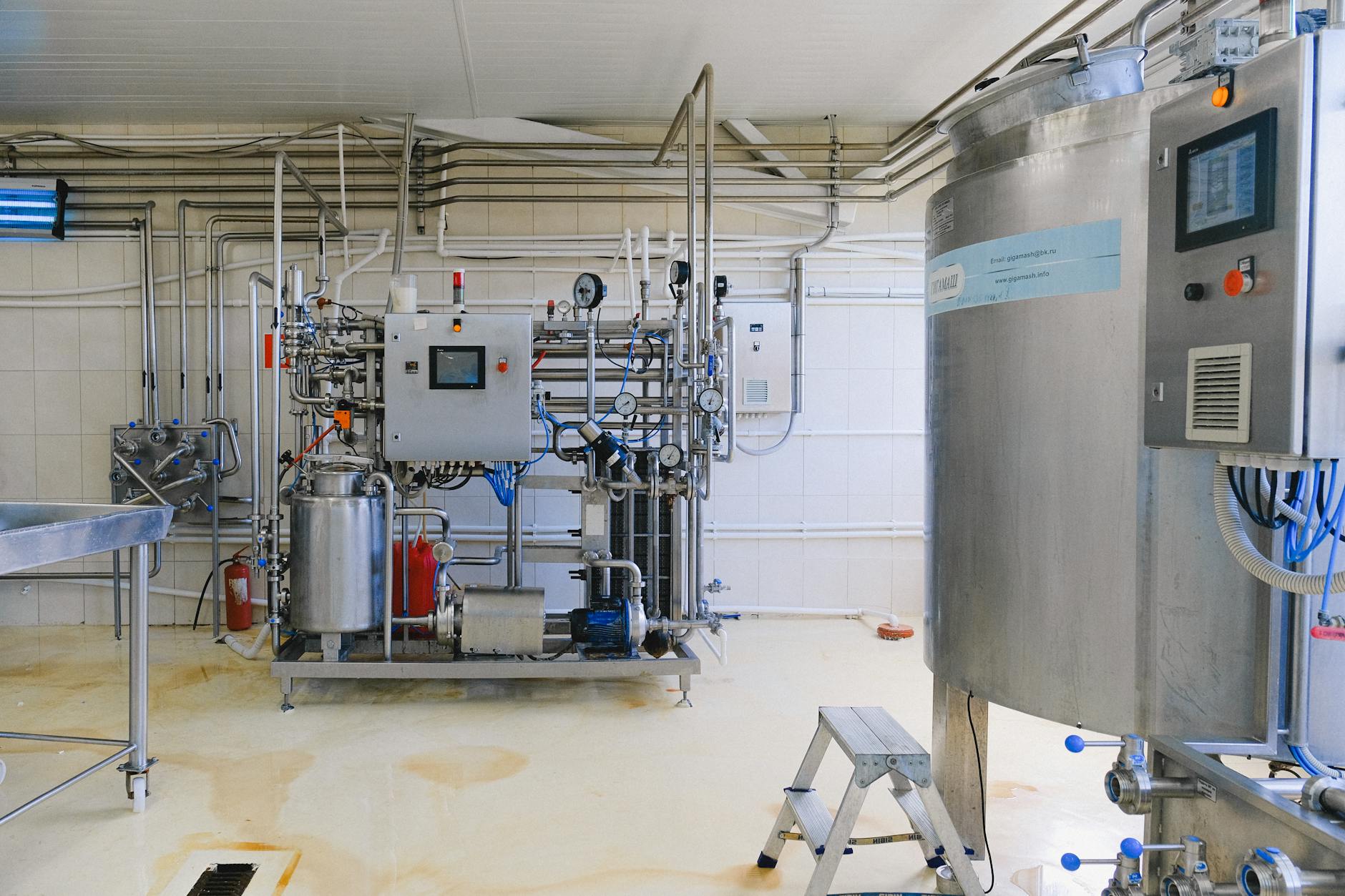
an industrial machine in a factory
Educational Resources, Instrumentation

Automation and Instrumentation in Industry

Automation and Instrumentation in Industry: A Comprehensive Guide In the dynamic landscape of modern industry, efficiency, safety, and precision are paramount. Achieving these crucial objectives relies heavily on two interconnected disciplines: automation and instrumentation. From manufacturing plants to the intricate operations of oil and gas facilities, these technologies form the backbone of contemporary industrial processes, enabling seamless control, optimisation, and rapid response to changing conditions. This guide delves into the fundamental aspects of industrial automation and instrumentation, exploring their core principles, specific applications, the transformative impact of the Industrial Internet of Things (IIoT), and the critical role of Safety Instrumented Systems (SIS). By understanding these concepts, you'll gain valuable insight into how industries worldwide are achieving unprecedented levels of productivity and reliability. Industrial Automation Basics Industrial automation refers to the use of control systems, such as computers, robotics, and...
Continue reading
Educational Resources, Instrumentation

Communication Protocols in Instrumentation: A Comprehensive Guide

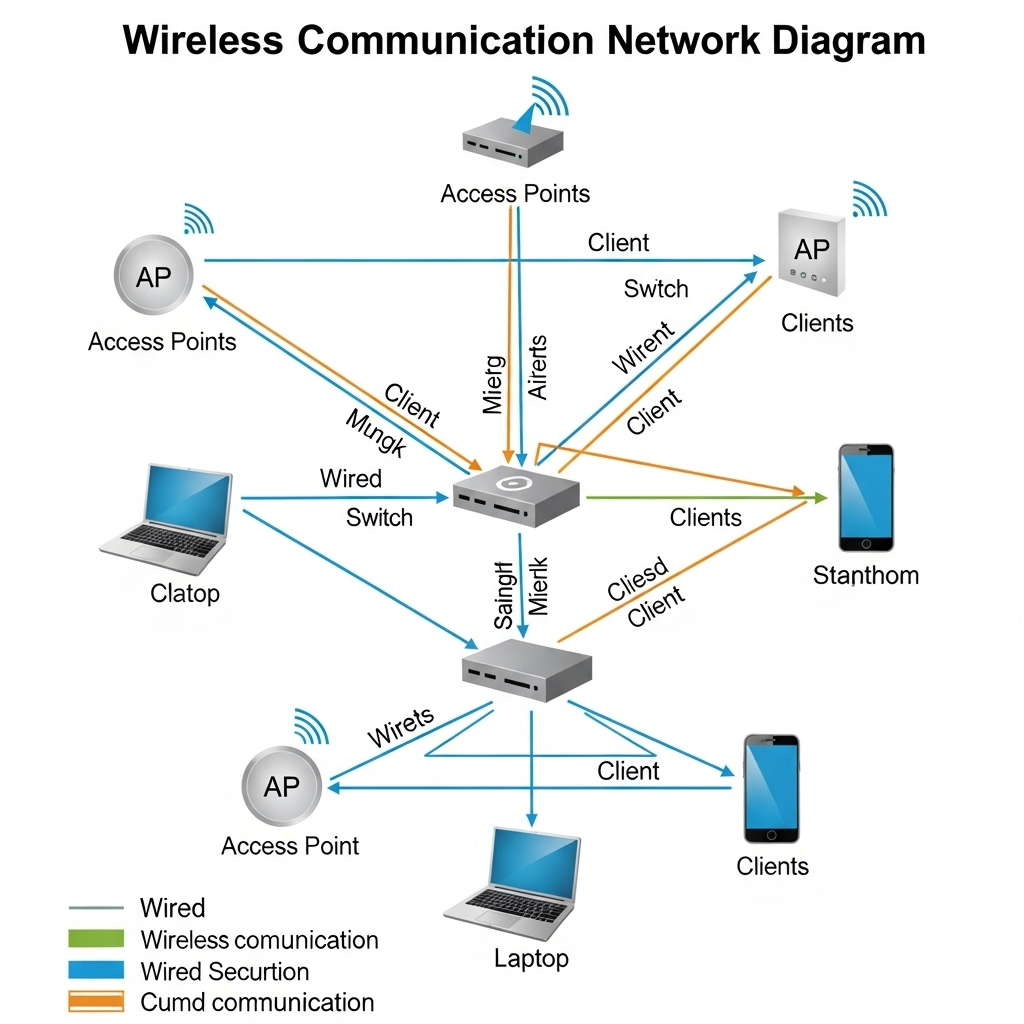
Here's the text formatted for MS Word, incorporating standard heading styles and bullet points. Communication Protocols in Instrumentation: A Comprehensive Guide Communication protocols play a crucial role in instrumentation by enabling devices to exchange information efficiently. This article delves into various communication protocols essential in instrumentation, including HART, Modbus, Profibus, Fieldbus systems, and wireless communication. We aim to provide a comprehensive understanding of each protocol, along with their functionalities, benefits, and typical applications within automation and instrumentation frameworks. HART Protocol Overview of HART Protocol HART (Highway Addressable Remote Transducer) is a widely used communication protocol in the field of process automation. Introduced in the late 1980s, HART was designed to facilitate two-way digital communication between field instruments and control systems while maintaining compatibility with traditional 4-20 mA analogue signals. Features of HART Protocol Two-way Communication: HART supports both master-slave and peer-to-peer communication,...
Continue reading