
Breaking News, News, Top Stories

The 2026 Iran-US Conflict: A Comprehensive Analysis of Operation Epic Fury and Regional Escalation

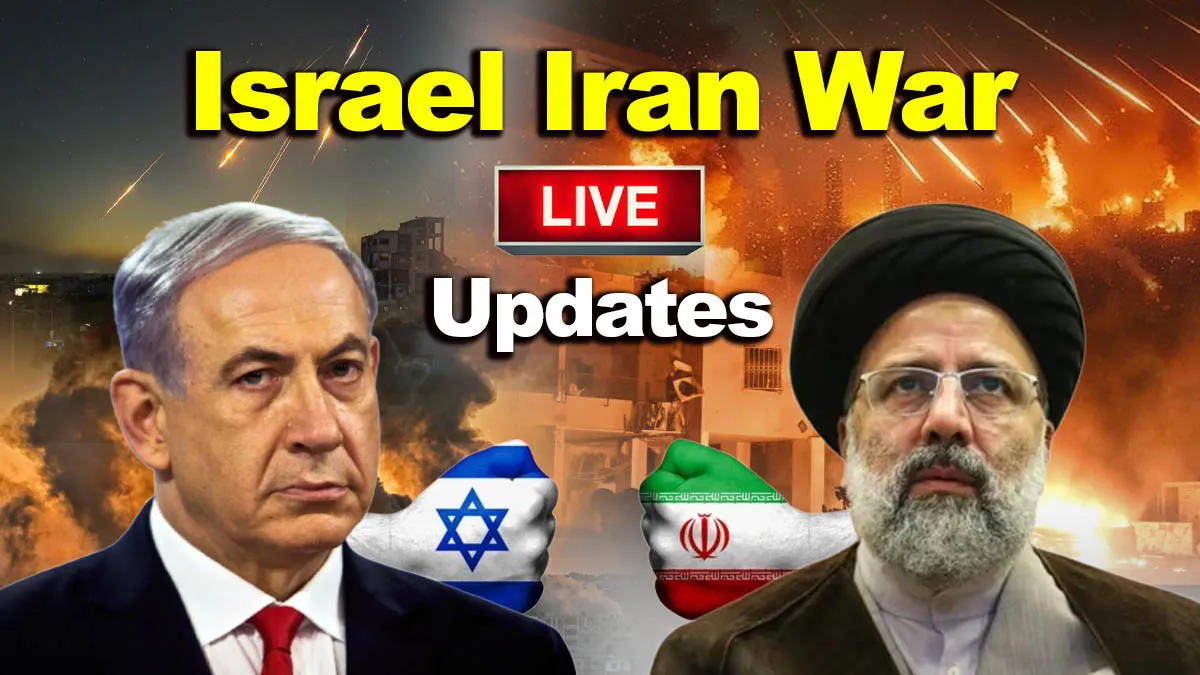
Date: April 5, 2026Category: Geopolitics / Defense / International RelationsReading Time: 12 Minutes Introduction As of April 2026, the geopolitical landscape of the Middle East has undergone a seismic shift following the outbreak of direct hostilities between the United States and Iran. What began as heightened tensions over nuclear compliance and regional proxy activities has escalated into a confirmed military engagement, widely referred to in initial reports as "Operation Epic Fury." This conflict, which reportedly commenced in late February 2026, represents the most significant direct confrontation between the two nations in decades, drawing in regional allies and triggering global economic reverberations. This article provides a comprehensive deep-dive into the conflict's origins, the timeline of escalation, the involvement of key international actors, and the profound economic and humanitarian consequences unfolding as of early April 2026. Based on available reporting from international monitoring...

Continue reading
Navigating the New Geopolitics of Tech
Politics

Navigating the New Geopolitics of Tech

Politics tamfitronics HBR Staff via AIRight now, businesses need to navigate two converging trends: 1) breakthroughs in critical and emerging technologies are redefining global power dynamics, economics, and security frameworks, and 2) geopolitical instability is disrupting supply chains, shifting alliances, and fueling competition over critical resources and technologies.Right now, two major trends are reshaping the world. First, breakthroughs in critical and emerging technologies — think artificial intelligence, advanced telecommunications, synthetic biology, and quantum computing — are redefining global power dynamics, economics, and security frameworks. Second, great geopolitical instability is disrupting supply chains, shifting alliances, and fueling competition over critical resources and technologies: Russia’s invasion of Ukraine, rising tensions between Washington and Beijing, and worries that Israel’s two-front war in Gaza and Lebanon could spark a conflict that engulfs the entire Middle East. Donald Trump’s re-election...
Continue reading
Why geopolitics risks global open source collaborations
Politics

Why geopolitics risks global open source collaborations

Politics tamfitronics Politics tamfitronics Linux Foundation’s decision to ban Russian maintainers has the potential to destroy open source’s global collaboration modelByCliff Saran,Managing Editor Published: 30 Oct 2024 12:20Following the removal last week of Russian Linux kernel maintainers to comply with US policies, Linus Torvalds – the developer of the original Linux kernel – spoke about his concerns that there were lots of Russian trolls who could potentially infiltrate the Linux kernel. The decision to block the maintainers followed a compromise of the open source XY Utils software library, which was caused by a social engineering attack targeting the maintainer of the utility. “It’s entirely clear why the change was done. It’s not getting reverted, and using multiple random anonymous accounts to try to ‘grass root’ it by Russian troll factories isn’t going to change anything,”...
Continue reading