

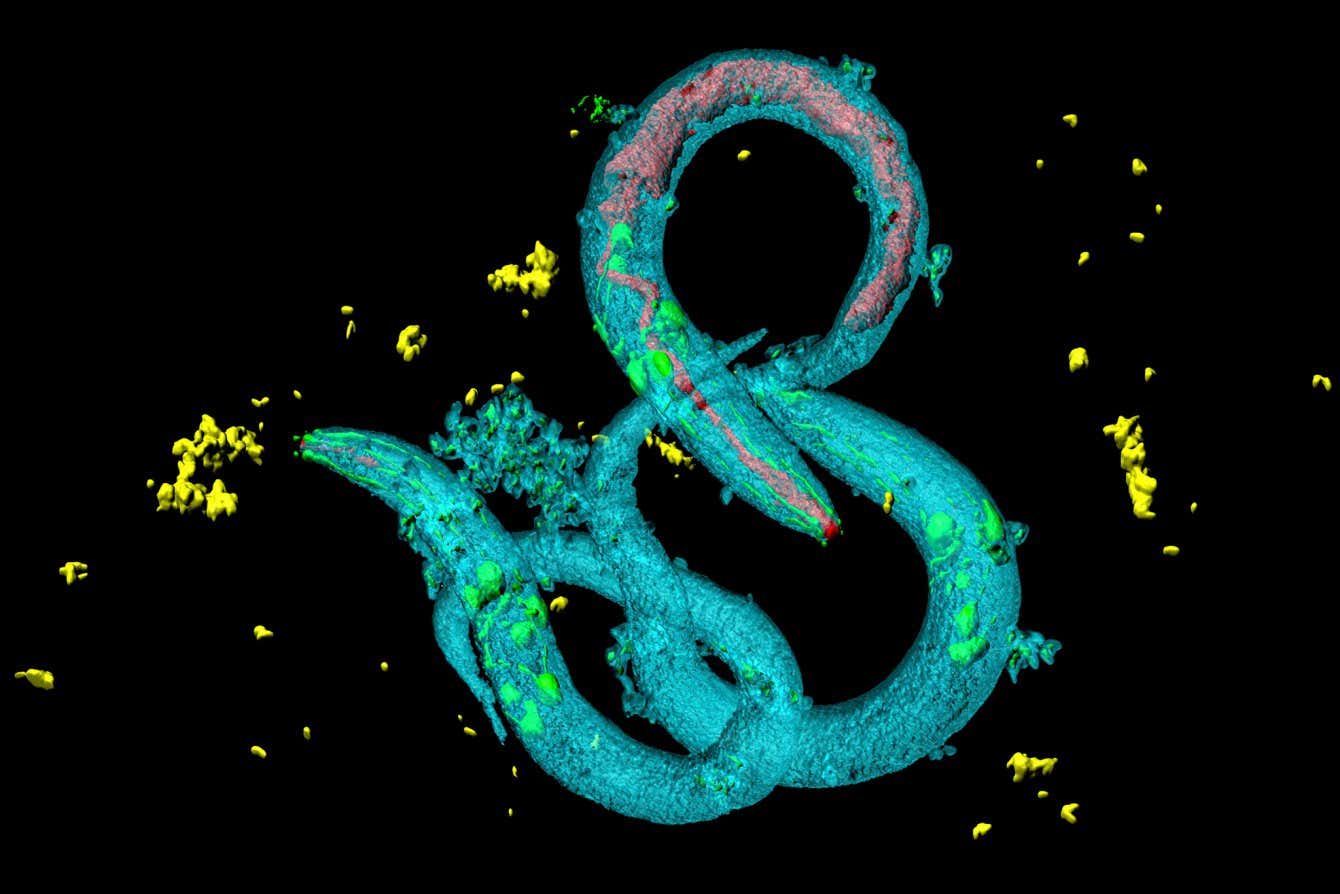
Exposure to microplastic makes animals want to eat it more

The insidious spread of microplastics throughout the environment has emerged as one of the most pressing ecological crises of our time. These tiny fragments, less than 5 millimeters in size, are found everywhere – from the deepest ocean trenches to remote mountain peaks, and alarmingly, within the bodies of countless living organisms. While the immediate physical harm caused by larger plastic debris (like entanglement or gut blockage) is well-documented, a more subtle and disturbing consequence of microplastic pollution is coming to light: evidence suggests that exposure to microplastics may actually make animals want to eat them more.
This counterintuitive phenomenon, which researchers are actively investigating, points to complex biological and behavioral alterations in affected species. It raises profound concerns about the long-term impact on ecosystems, food chains, and ultimately, human health.
The Ubiquitous Threat: How Microplastics Enter...