
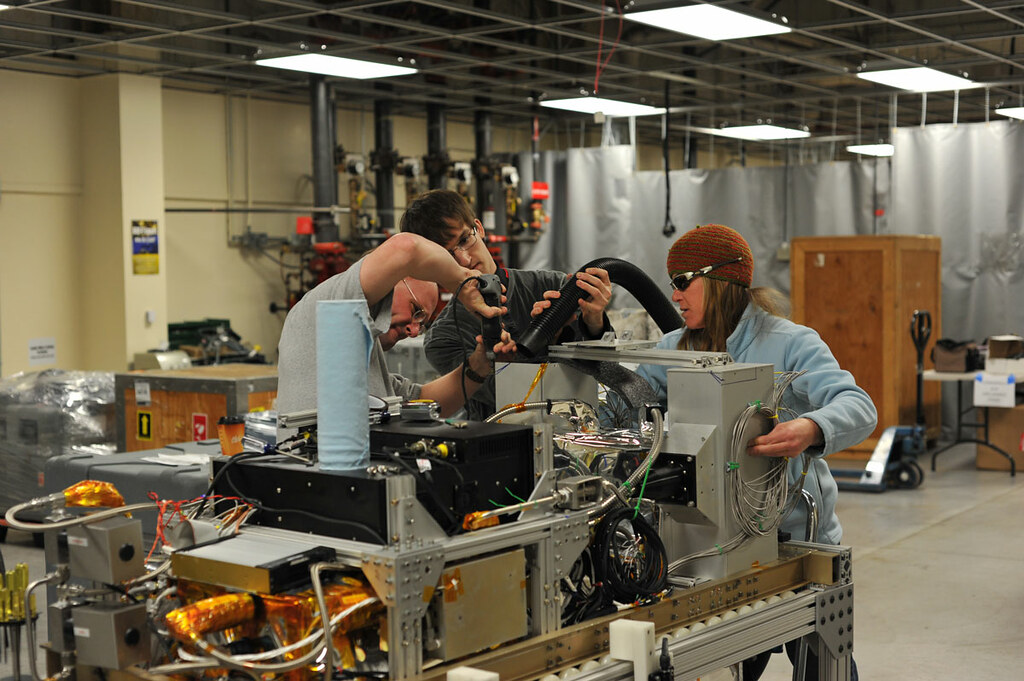
MABEL arrived at NASA's Dryden
Educational Resources, Instrumentation

Advanced Topics in Instrumentation

Instrumentation engineering has evolved significantly with advancements in electronics, digital technologies, control theory, and artificial intelligence. Modern instrumentation systems are sophisticated assemblies of sensors, signal processing circuits, control algorithms, and computational tools that collectively measure, monitor, control, and predict systems behaviour with high precision and reliability. This comprehensive article explores advanced concepts in instrumentation, specifically focusing on signal processing, real-time control, AI integration, and predictive maintenance. 1. Signal Processing in Digital Instruments Signal processing is fundamental to the operation of digital instruments, particularly in improving accuracy, reliability, and information extraction capabilities. With increasing demand for precision, digital instruments leverage sophisticated algorithms to handle noisy, distorted, or incomplete data gathered from sensors. Advanced signal processing techniques enable instrumental measurements to achieve unprecedented levels of sensitivity and specificity. Key Techniques Filtering Techniques (Digital filters): To remove noise and unwanted frequency components,...

Continue reading
laptop displaying ai chat interface at night
Educational Resources, Information Technology

Deep Research Features in ChatGPT, DeepSeek-R1, and Gemini: A Comprehensive Review

In the rapidly evolving landscape of artificial intelligence, large language models (LLMs) are no longer just sophisticated chatbots. They are increasingly being positioned as powerful research assistants, capable of delving deep into vast swathes of information to synthesize, analyse, and generate human-quality insights. At the forefront of this revolution are three major contenders: OpenAI's ChatGPT, the open-source challenger DeepSeek with its R1 model, and Google's powerhouse, Gemini. Each brings a unique approach to "deep research," a term that signifies a move beyond simple keyword-based searches to a more nuanced, multi-step, and analytical process. This blog post offers a complete and honest look at the deep research features of these three leading models, exploring their strengths, weaknesses, and the distinct workflows they enable for researchers, analysts, and knowledge workers. The Dawn of Agentic AI in Research The concept...
Continue reading
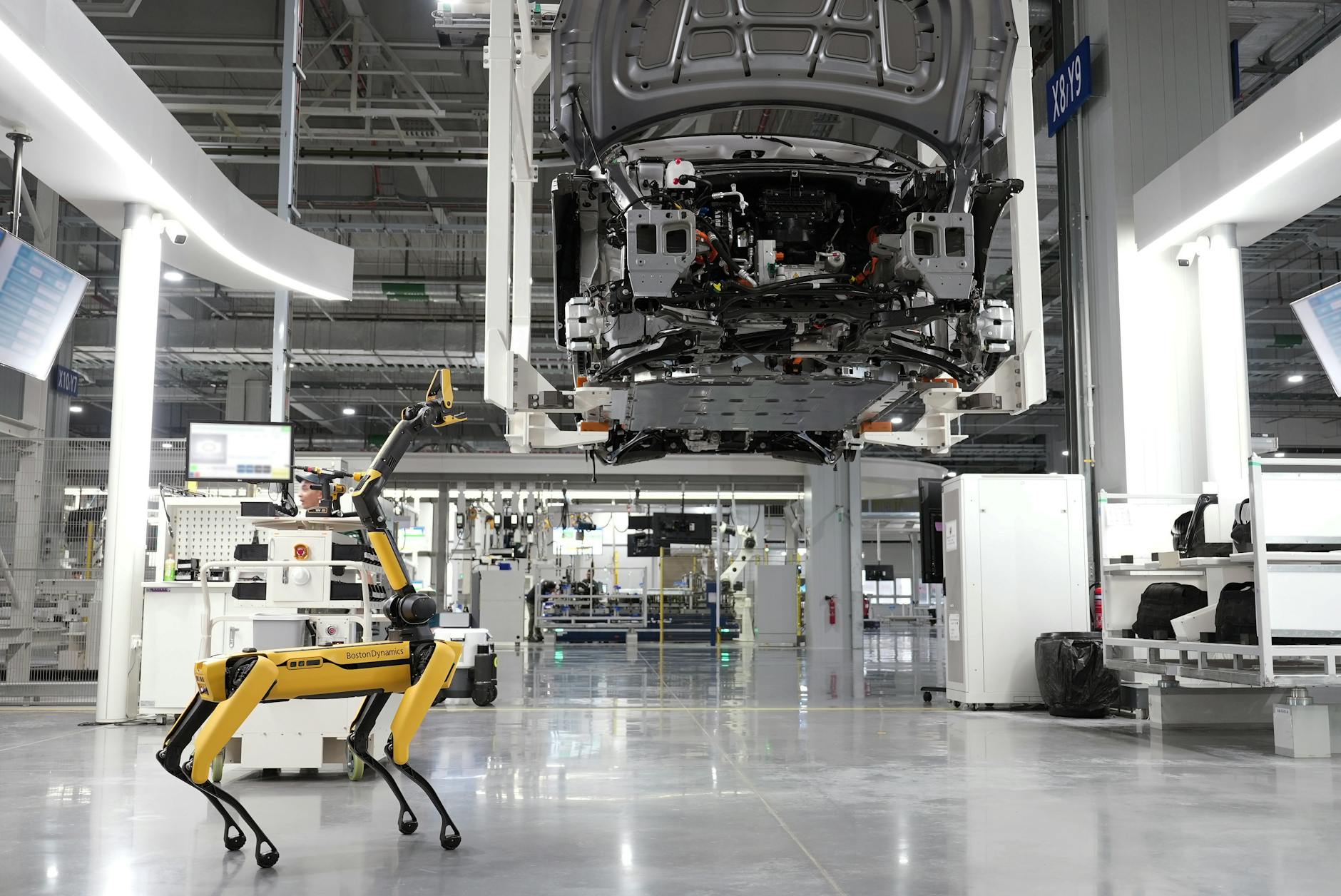
boston dynamics robot in a car factory
Educational Resources, Information Technology

How AI is Transforming Industrial Automation

For decades, industrial automation has been the backbone of manufacturing and production, driving efficiency, consistency, and scale. From the earliest programmable logic controllers (PLCs) to sophisticated robotic arms, these technologies have revolutionised how we create and distribute goods. But a new wave of innovation is crashing onto the factory floor: Artificial Intelligence (AI). AI is no longer a futuristic fantasy; it's a tangible force reshaping the landscape of industrial automation, promising unprecedented levels of intelligence, adaptability, and optimisation. In Nigeria, where manufacturing and resource processing play a crucial role in the economy, understanding and embracing this transformation is paramount for future growth and competitiveness. This blog post will delve into the key ways AI is revolutionizing industrial automation, exploring its applications, benefits, and the exciting future it holds. 1. Intelligent Robotics: Beyond Repetitive Tasks Traditional industrial robots excel at...
Continue reading
close up of a clicbot on a floor
Educational Resources, Electrical

Top 10 Innovations in Electrical Engineering for 2025

https://www.youtube.com/watch?v=4L31dHXP6i0 IntroductionThe landscape of electrical engineering is evolving rapidly in 2025, fuelled by Industry 4.0 technologies, rising global demand for smarter systems, and increased sustainability targets. Engineers today are not only wiring up circuits—they're integrating AI, IoT, and cutting-edge materials into resilient and intelligent systems. This article explores ten of the most impactful innovations shaping the field this year, with real-world applications and relevance to Nigeria’s growing engineering ecosystem. 1. AI-Powered Circuit DesignArtificial intelligence is revolutionising circuit design by automating layout, simulation, and error detection. Tools such as Synopsys DSO.ai and Cadence Cerebrus now enable engineers to create optimised circuits in hours instead of weeks.Nigerian Use Case: Engineering students and startups can access open-source AI design platforms to prototype solutions for rural electrification and mini-grids. 2. Digital Twin Technology for Electrical GridsDigital Twins replicate entire electrical systems virtually,...
Continue reading