The 2026 Iran-US Conflict: A Comprehensive Analysis of Operation Epic Fury and Regional Escalation

Date: April 5, 2026
Category: Geopolitics / Defense / International Relations
Reading Time: 12 Minutes
Introduction
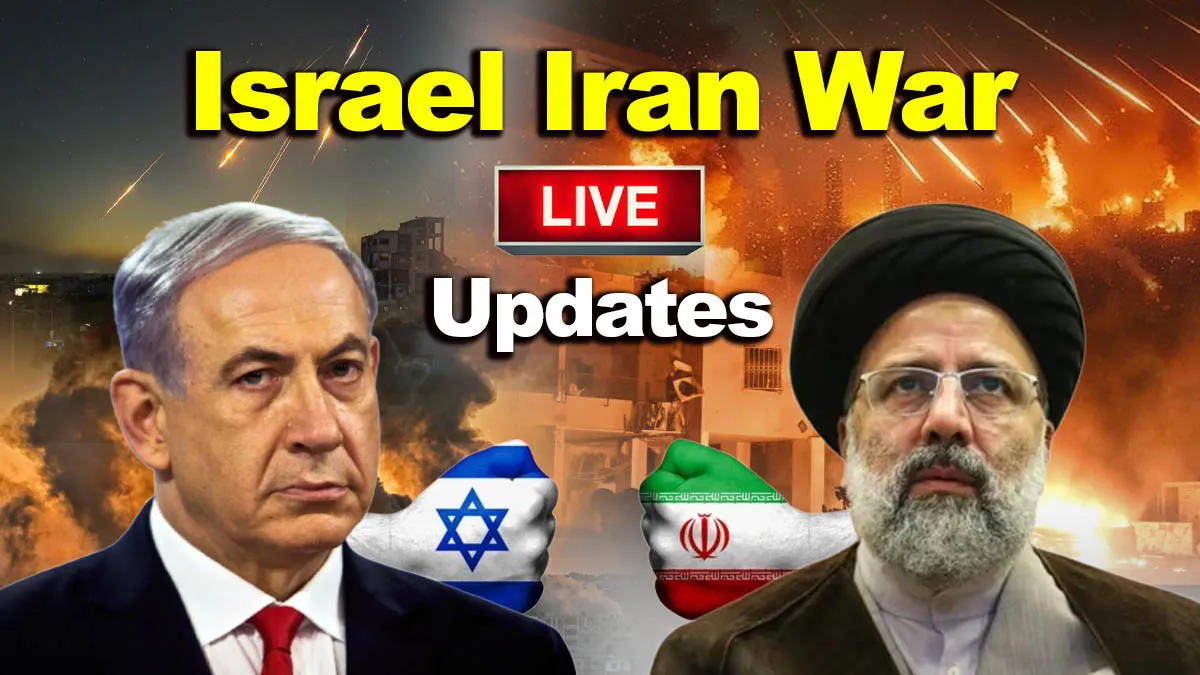
As of April 2026, the geopolitical landscape of the Middle East has undergone a seismic shift following the outbreak of direct hostilities between the United States and Iran. What began as heightened tensions over nuclear compliance and regional proxy activities has escalated into a confirmed military engagement, widely referred to in initial reports as “Operation Epic Fury.” This conflict, which reportedly commenced in late February 2026, represents the most significant direct confrontation between the two nations in decades, drawing in regional allies and triggering global economic reverberations.
This article provides a comprehensive deep-dive into the conflict’s origins, the timeline of escalation, the involvement of key international actors, and the profound economic and humanitarian consequences unfolding as of early April 2026. Based on available reporting from international monitoring bodies and news aggregators, this analysis aims to provide WordPress site owners and readers with a factual, structured overview of the situation. The stakes extend far beyond the Middle East, influencing global energy markets, security alliances, and the stability of international trade routes such as the Strait of Hormuz.
The Outbreak: Operation Epic Fury
The catalyst for the current conflict is identified in multiple sources as “Operation Epic Fury,” a military campaign that reportedly began on February 28, 2026. According to Britannica’s event tracking, this operation marked a decisive transition from covert sabotage and proxy skirmishes to overt kinetic action involving United States and Israeli forces against Iranian military infrastructure [Source: Britannica].
Strategic Objectives
Initial assessments suggest the primary objectives of Operation Epic Fury were to degrade Iran’s ballistic missile capabilities and disrupt command-and-control networks linked to regional proxy groups. The timing of the operation, late February, coincided with a breakdown in diplomatic negotiations regarding uranium enrichment levels. Reports indicate that the strikes were precision-focused, targeting facilities deemed critical to Iran’s ability to project power across the region.
Initial Strikes
The first wave of attacks reportedly focused on military infrastructure rather than civilian centers, though the fog of war in such conflicts often leads to collateral damage. Wikipedia’s timeline of the conflict notes that the first week, spanning from February 28 to March 6, 2026, was characterized by intense aerial campaigns and cyber warfare operations designed to blind Iranian air defense systems [Source: Wikipedia]. The coordination between US and Israeli assets suggests a high level of interoperability and pre-planning, indicating that this was not a spontaneous escalation but a calculated strategic move.
Timeline of Escalation: From February to April
Understanding the progression of the conflict is essential for analyzing its current status. The situation has evolved rapidly over the six weeks leading up to April 2026.
Week 1: February 28 – March 6, 2026
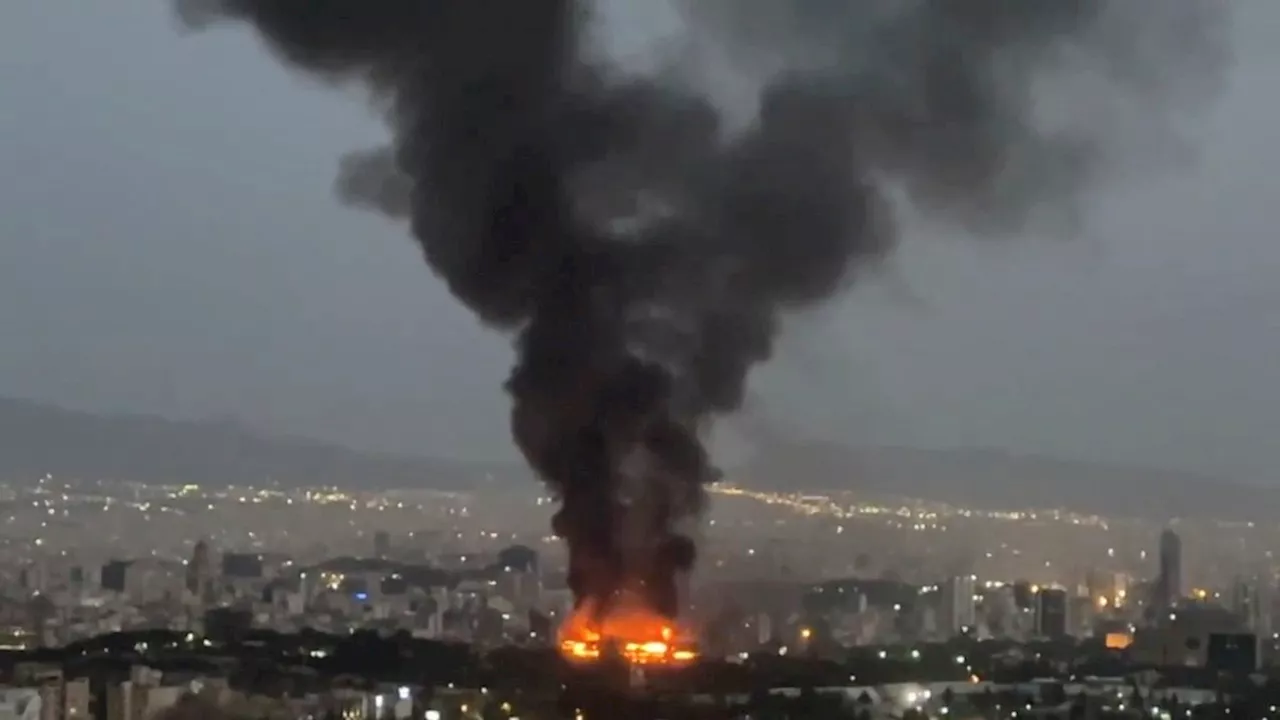
The opening week was defined by shock and awe tactics. Following the initial strikes on February 28, Iran responded with retaliatory missile fire directed at US bases in the region. Reports from this period highlight a massive blast from an Israeli strike that sent smoke plumes visible from satellite imagery, signaling the intensity of the engagement [Source: YouTube]. During this phase, both sides tested each other’s red lines. The US maintained air superiority, while Iran leveraged its network of allied militias to harass coalition positions.
Week 2: March 7 – March 13, 2026
The second week saw the conflict broaden. Diplomatic channels remained open but were largely ineffective in halting the violence. According to timeline data, this period involved increased naval posturing in the Persian Gulf. The US Fifth Fleet heightened its readiness levels, while Iran threatened to close the Strait of Hormuz, a chokepoint through which a significant portion of the world’s oil supply passes. The threat alone was sufficient to spike global energy markets, though actual closure attempts were met with immediate naval countermeasures.
Current Status: April 2026
As of April 1, 2026, daily briefs indicated that Washington signaled an “endgame phase” while continuing fresh strikes on Iranian military infrastructure [Source: Facebook]. This suggests a shift from degradation to coercion, aiming to force a negotiated settlement from a position of strength. However, reports also mention the potential deployment of external units, such as Chechen forces, should a ground invasion become necessary, highlighting the risk of the conflict drawing in non-state actors and foreign volunteers [Source: Facebook]. The situation remains fluid, with daily developments altering the tactical landscape.
Geopolitical Alliances and Regional Dynamics
The 2026 conflict is not a bilateral affair; it is a regional conflagration involving a complex web of alliances and proxy relationships.
The US-Israel Coalition
The coordination between the United States and Israel has been a cornerstone of the campaign. Intelligence sharing, joint targeting, and integrated air defense systems have allowed the coalition to maximize impact while minimizing risk to their own assets. This alliance has been reinforced by support from Gulf Arab states, who, while not publicly participating in kinetic operations, have provided logistical support and airspace access. Their involvement underscores a shifting regional paradigm where Sunni Arab states and Israel find common cause in containing Iranian influence.
Iran’s Axis of Resistance
Iran has relied on its “Axis of Resistance,” a network of militias and allied governments across the Middle East. Groups in Lebanon, Syria, Iraq, and Yemen have been activated to open secondary fronts, stretching US and Israeli defenses. This asymmetric strategy aims to increase the cost of the conflict for the coalition. However, reports suggest that the effectiveness of these proxies has been diminished by prior covert operations and the overwhelming air power deployed during Operation Epic Fury.
International Actors: Russia and China
The role of global powers remains critical. Russia and China have called for immediate de-escalation but have stopped short of condemning the US-led strikes explicitly. Their economic ties with Iran provide Tehran with a lifeline, allowing it to sustain its war effort despite sanctions. There are unconfirmed reports regarding the potential deployment of foreign units, such as Chechen volunteers, to bolster Iranian defenses in the event of a ground invasion [Source: Facebook]. Such involvement would internationalize the conflict further, potentially drawing NATO and other alliances into a broader confrontation.
The Role of the United Nations
The UN Security Council has convened emergency sessions throughout March and April 2026. However, geopolitical divisions have prevented the passage of binding resolutions demanding a ceasefire. Humanitarian agencies are using UN frameworks to negotiate safe corridors for aid delivery, but access remains contested. The inability of the international community to present a unified front has prolonged the conflict, allowing both sides to pursue military objectives without significant diplomatic pressure.
Economic Implications: Global Markets and Energy Security
The economic fallout of the Iran-US war is being felt globally, with energy markets bearing the brunt of the instability.
Oil Prices and the Strait of Hormuz
The Strait of Hormuz is the world’s most important oil transit chokepoint. Any threat to its openness sends shockwaves through the global economy. During the second week of the conflict, Iran’s threats to close the strait caused Brent crude prices to surge. While actual closure has been prevented by naval coalitions, the risk premium remains embedded in oil prices. Analysts estimate that a prolonged disruption could add 20to30 per barrel to global oil prices, triggering inflationary pressures in already vulnerable economies.
Supply Chain Disruptions
Beyond energy, the conflict affects global supply chains. Shipping insurance rates in the Persian Gulf have skyrocketed, leading some carriers to reroute vessels around the Cape of Good Hope. This adds time and cost to trade between Europe and Asia. Industries reliant on timely delivery of components, such as automotive and electronics, are beginning to report delays. The indirect supply chain disruptions are affecting thousands of businesses globally, compounding the economic stress caused by the energy spike.
Regional Economic Impact
For the Middle East, the economic impact is direct and severe. Tourism in neighboring Gulf states has plummeted due to safety concerns. Investment flows into the region have stalled as investors adopt a wait-and-see approach. Iran’s economy, already under sanctions, is facing further contraction due to the destruction of infrastructure and the tightening of financial restrictions. The long-term structural changes to regional labor markets could be profound, with displacement of workers and destruction of industrial capacity leading to a decade of recovery efforts.
Humanitarian Crisis and Civilian Impact
While military objectives dominate the headlines, the human cost of the conflict is escalating.
Displacement and Refugees
Air strikes and ground skirmishes have forced civilians to flee conflict zones in southern Iran and neighboring areas. Internal displacement is rising, straining local resources. Neighboring countries are preparing for potential influxes of refugees, though border controls have been tightened. Humanitarian organizations are reporting difficulties in accessing affected areas due to ongoing hostilities and security restrictions imposed by both sides.
Infrastructure Damage
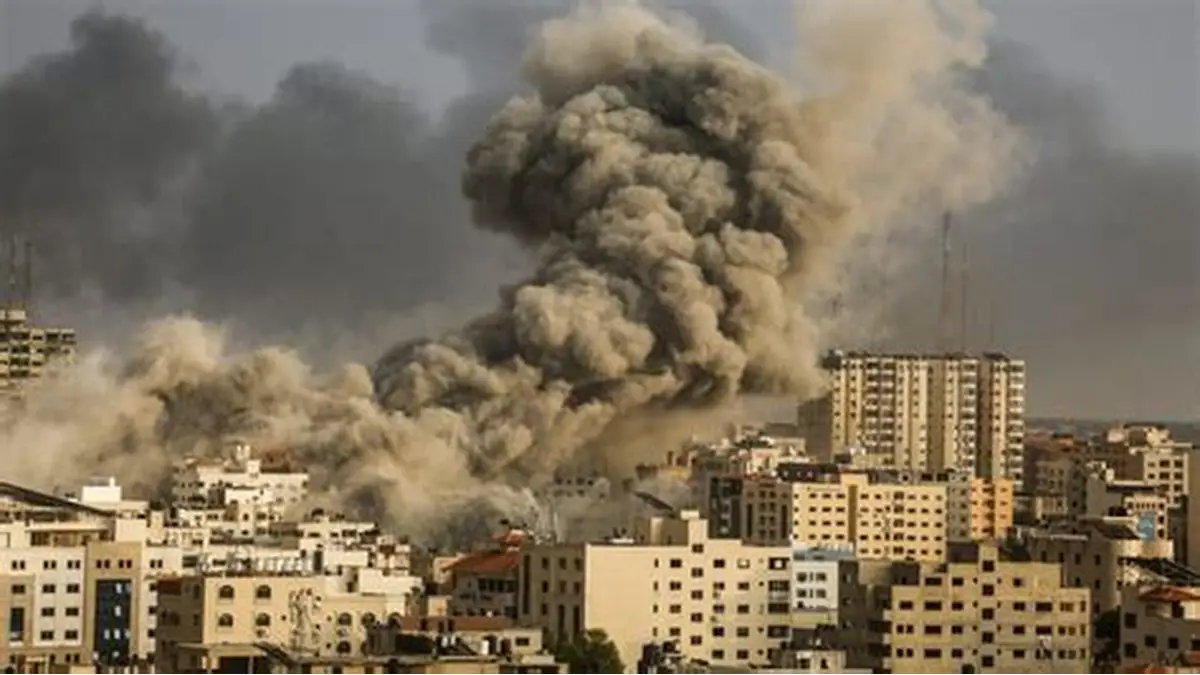
Reports of massive blasts and strikes on military infrastructure often occur near populated areas. Collateral damage to power grids, water treatment facilities, and hospitals has been reported. The degradation of civil infrastructure poses a long-term health risk to the population, potentially leading to outbreaks of disease and shortages of essential medicines. The destruction of economic infrastructure also hampers post-conflict recovery, leaving civilians vulnerable long after the fighting stops.
International Aid Response
International aid agencies are mobilizing, but access remains the primary bottleneck. Negotiations for humanitarian ceasefires have yielded mixed results. The UN has called for protected corridors, but compliance is inconsistent. The humanitarian crisis is becoming a central point of diplomatic pressure, with advocacy groups urging world leaders to prioritize civilian protection over strategic gains.
Future Outlook: Scenarios for 2026 and Beyond
As of April 5, 2026, the conflict shows no immediate signs of resolution. Several scenarios are possible for the remainder of the year.
Scenario 1: Negotiated Settlement
The most optimistic outcome involves a negotiated settlement facilitated by intermediaries such as Oman or Qatar. This would require both sides to concede key demands: the US on verification mechanisms, and Iran on missile capabilities. Recent signals from Washington regarding an “endgame phase” suggest this may be the preferred outcome, provided military pressure yields diplomatic leverage [Source: Facebook].
Scenario 2: Protracted Conflict
A more likely scenario involves a protracted conflict characterized by periodic strikes and proxy skirmishes. This would maintain high tension without escalating to full-scale ground invasion. The economic and humanitarian costs would continue to accumulate, destabilizing the region further. This scenario risks accidental escalation, where a single miscalculation could trigger a wider war.
Scenario 3: Regional Expansion
The worst-case scenario involves the conflict spreading to include direct involvement from other regional powers. If Iran feels its survival is threatened, it may attempt to close the Strait of Hormuz permanently or activate sleeper cells globally. This would draw in NATO and potentially Asian powers, transforming a regional conflict into a global crisis. The mention of foreign units like Chechen forces deploying indicates the potential for this expansion [Source: Facebook].
Strategic Analysis for Observers
For policymakers and analysts, the 2026 Iran-US war offers critical lessons on modern warfare.
The Role of Air Power
The conflict has reaffirmed the dominance of air power in the initial stages of modern conflict. Precision strikes have allowed the US and Israel to degrade capabilities without committing ground troops. However, air power alone has not forced capitulation, highlighting the limits of kinetic action against a determined adversary with deep strategic depth.
Cyber Warfare Integration
Cyber operations have been integral to the campaign. Disabling air defenses and disrupting command networks prior to kinetic strikes has been a key tactic. This hybrid approach—combining cyber and physical domains—is now standard for high-intensity conflict. Future defense strategies must prioritize cyber resilience as much as physical fortification.
Information Warfare
The battle for narrative is being fought alongside the physical conflict. Both sides are leveraging media to shape international opinion. Reports of strikes, casualties, and objectives are disseminated rapidly via social media and news outlets. Controlling the narrative is essential for maintaining domestic support and international legitimacy. The presence of daily briefs and detailed timelines on platforms like Wikipedia and Facebook indicates the high level of public scrutiny [Source: Wikipedia, Facebook].
Conclusion
The 2026 conflict between the United States and Iran represents a critical juncture in modern geopolitical history. Operation Epic Fury, beginning in late February, has evolved into a complex engagement with global implications. While military objectives have been partially met, the strategic endgame remains unclear. The economic costs are rising, the humanitarian situation is deteriorating, and the risk of regional expansion persists.
As of April 5, 2026, the world watches closely. The path forward requires a delicate balance of pressure and diplomacy. A purely military solution appears unlikely to yield lasting stability. Instead, a comprehensive approach addressing security concerns, economic sanctions, and regional stability is necessary. For WordPress site owners and content creators, keeping audiences informed with accurate, sourced, and nuanced analysis is vital during this period of uncertainty. The coming weeks will determine whether this conflict becomes a contained episode or a defining crisis of the decade.
Frequently Asked Questions (FAQ)
Q: When did the 2026 Iran-US conflict start?
A: Reports indicate the conflict began with “Operation Epic Fury” on February 28, 2026 [Source: Britannica].
Q: Is the Strait of Hormuz closed?
A: As of April 2026, the strait remains open, though threats to close it have caused market volatility. Naval coalitions are actively preventing closure [Source: WEEX].
Q: Are ground troops involved?
A: Primary operations have been aerial and naval. However, reports suggest potential deployment of foreign units if invasion scenarios materialize [Source: Facebook].
Q: How is this affecting oil prices?
A: Oil prices have surged due to risk premiums associated with potential supply disruptions in the Persian Gulf.
Q: What is the current status as of April 2026?
A: Washington has signaled an “endgame phase” while continuing strikes on military infrastructure. The situation remains fluid [Source: Facebook].
References
- Wikipedia. “2026 Iran war.” Accessed April 5, 2026. https://en.wikipedia.org/wiki/2026_Iran_war
- Britannica. “2026 Iran war | Explained, United States, Israel, Strait of …” Accessed April 5, 2026. https://www.britannica.com/event/2026-Iran-war
- WEEX. “Did US Attack Iran : The 2026 Full Story Explained.” Accessed April 5, 2026. https://www.weex.com/questions/article/did-us-attack-iran-the-2026-full-story-explained-21628
- YouTube. “War with Iran latest | March 4, 2026.” Accessed April 5, 2026. https://www.youtube.com/watch?v=sMRsrnHGG9E
- Facebook. “IRAN WAR DAILY BRIEFS — APRIL 1, 2026.” Accessed April 5, 2026. https://www.facebook.com/janwriter/posts/iran-war-daily-briefs-april-1-2026-washington-signaled-an-endgame-phase-while-ke/1538989451243116/
Disclaimer: This article is based on available reports as of April 5, 2026. Situations in active conflict zones change rapidly. Readers are advised to consult multiple sources for the latest developments.