
The mysterious marble head found in Crimea belonged to a woman who weighed on the fate of her city

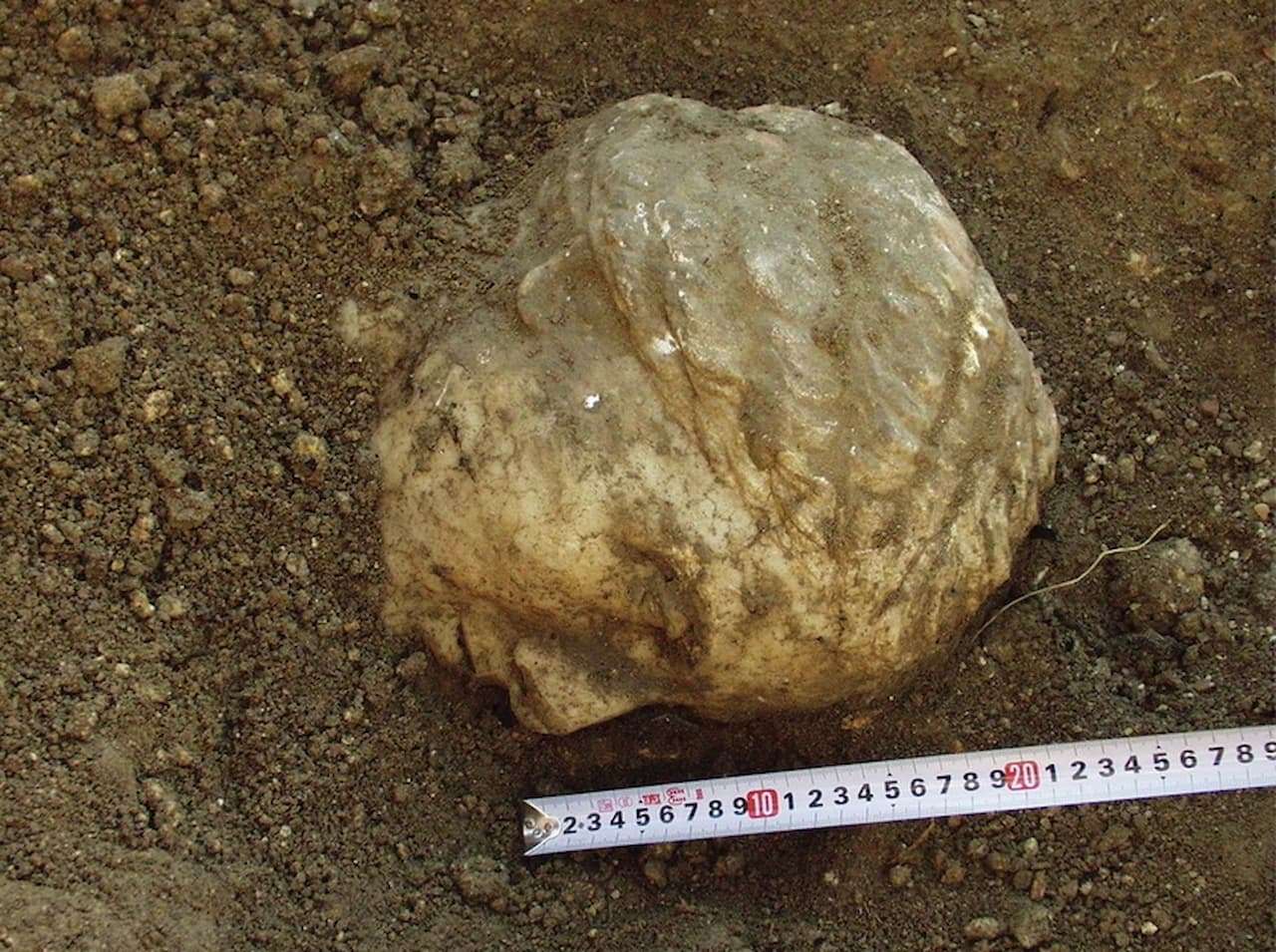
In 2003, an exhumed marble head in Crimea intrigued archaeologists. Twenty years later, an investigation mixing science and art history lifts the veil on the identity of this female figure which marked the history of its city.
Although damaged (neznez and broken facial features before its burial) the sculpture retains remarkable details, including a housing for a ankleankle Metal proving that it once adorned a statue at around two meters, undoubtedly exposed in the agora before being backfilled. Marble, from the prestigious paro careers, porteporte Still traces of red pigments and old repairs, a sign of attentive maintenance.
The study of the tools used reveals the know-how of a sculptor handling no less than eleven scissors and abrasives. Her stylestyle Mixes Roman realism (wrinkles, marked ears) with Greek idealism of a softened face, wearing a modified version of the famous hairstyle ” melonmelon “Publicized of impressions like Faustine the Ancient.
Laodice, a key woman of the autonomy of her city
The outcome came from an honorary inscription found on a pedestal of Dearonèse: he celebrates Laodice, daughter of heroxene and wife of Titus Flavius Parthenocle, member of a family among the richest in the city and Roman citizen under Vespasian. Dated to the second quarter of the second century, this monument indicates that the city had erected a statue in recognition of its action.
THE historianshistorians connect this tribute to a decisive episode: obtaining the status of eleuthery, or ” free city », Under the emperor Antonin the pious in the 140s. After several diplomatic failures, Dearèse thus obtained a autonomyautonomy rare while remaining faithful to Rome. If the exact role of Laodice remains unknown, the erection of a public statue proves that its influence was deemed decisive. This portrait illustrates how some elite women, even on the borders of the Empire, actively participated in diplomacy and civic life.
Today, Laodice’s marble head, both a work of art and historical witness, recalls that modern science can give voice to forgotten actresses of antiquity and shed light on the often invisible part of women in Roman politics.