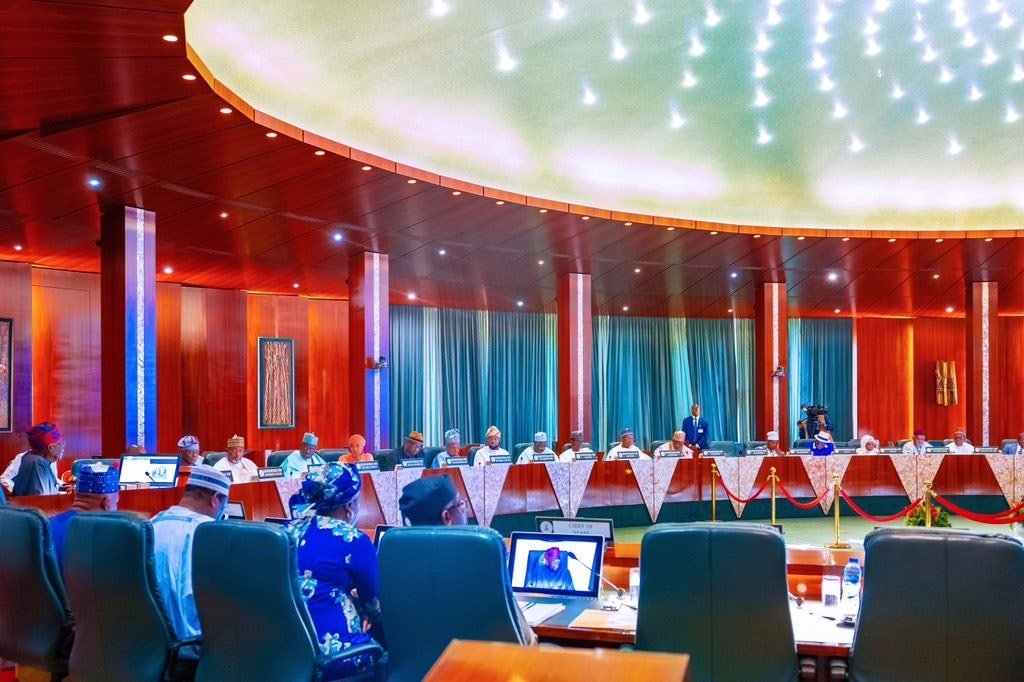
FEC approves ₦68.7bn for power projects in varsities, hospitals
Reliable electricity remains a cornerstone for national development, especially in vital sectors such as education, healthcare, and agriculture. Recognizing this, the Federal Executive Council (FEC) of Nigeria, led by President Bola Tinubu, has approved a substantial budget of ₦68.7 billion to implement two significant power projects. These initiatives focus on delivering consistent and quality power supply to select universities, teaching hospitals, and rural enterprises. This article explores the details, implications, and expected outcomes of these projects, underscoring the government's commitment to transforming Nigeria's power landscape.
Overview of the ₦68.7 Billion Power Projects Approval
On July 31, 2025, the Federal Executive Council (FEC) approved contracts worth ₦68.7 billion aimed at enhancing power supply to critical institutions and rural communities across Nigeria. This approval was announced by the Minister of Power, Adebayo Adelabu, following a council meeting presided over by President Bola Tinubu in Abuja. The contracts are designed to address chronic electricity challenges faced by universities, teaching hospitals, and rural businesses, which have long hindered optimal performance and growth.
These projects form part of the government’s broader power sector transformation agenda, emphasizing renewable energy and sustainable infrastructure development. The funding includes a 7.5% Value Added Tax (VAT) and covers two major initiatives: the Energising Education Programme and the Agricultural Centres of Excellence Projects. Together, they aim to provide uninterrupted, efficient, and affordable power solutions to institutions and rural communities.
The council’s approval reflects a strategic approach to tackling Nigeria's persistent power deficits by prioritizing sectors that directly impact national development. By focusing on education, healthcare, and rural enterprise productivity, the government is addressing both immediate power needs and long-term economic growth.
Energising Education Programme: Powering Universities and Teaching Hospitals
The Energising Education Programme is a flagship component of the approved projects, targeting selected universities and their affiliated teaching hospitals. This initiative seeks to alleviate the financial burden of high energy costs on these institutions by providing reliable, high-quality electricity. It is being implemented through the Rural Electrification Agency’s Special Intervention Fund for Infrastructure Development, ensuring focused and efficient deployment of resources.
Minister Adebayo Adelabu highlighted that many universities and teaching hospitals in Nigeria are currently facing a crisis due to unreliable power supply. Frequent blackouts and the inability to afford consistent electricity have led to disruptions such as industrial actions by staff and compromised healthcare delivery. The programme intends to eliminate these challenges by deploying renewable energy systems that guarantee steady power availability.
This initiative builds on earlier successful renewable energy projects supported by the World Bank. Examples include the University of Abuja’s solar power system and the University of Niger’s 12-megawatt installation that serves both the university and its teaching hospital. Additional installations at Usmanu Danfodiyo University, Sokoto, and the Nigerian Defence Academy have demonstrated the viability and benefits of such systems, providing a strong foundation for scaling up.
Universities and Hospitals Benefiting from the New Approvals
The recent FEC approval extends power project implementation to eight additional universities and their teaching hospitals. These include University of Lagos, Ahmadu Bello University (Zaria), Obafemi Awolowo University (Ile-Ife), University of Nigeria (Nsukka), University of Ibadan (including University College Hospital), University of Calabar, and Federal University (Wukari). Each institution will receive tailored renewable energy infrastructure designed to meet their specific power demands.
The project is expected to be completed within seven to nine months, ensuring that these universities and hospitals experience uninterrupted electricity supply in the near future. This timeline reflects the government’s urgency in addressing the energy needs of these crucial institutions that play pivotal roles in education and healthcare across the country.
By securing reliable power, these institutions will not only reduce operational costs but also enhance their capacity to deliver quality education and medical services. This development is anticipated to improve academic research, healthcare outcomes, and overall institutional efficiency significantly.
Rural Electrification and Agricultural Centres of Excellence Projects
The second major contract approved by the FEC focuses on rural electrification through the Agricultural Centres of Excellence Projects. This initiative aims to bring renewable energy infrastructure to rural areas that currently lack reliable access to the national grid. The project is designed to empower rural communities by providing sustainable electricity solutions that extend beyond basic household lighting.
Minister Adelabu emphasized that the project’s scope includes powering rural businesses, particularly those involved in agricultural processing. By supplying solar-powered equipment for small and medium enterprises (SMEs), the project supports cluster processing of agricultural produce, which is crucial for enhancing productivity and adding value to raw materials.
The initiative is expected to foster economic growth in rural areas by enabling micro and small enterprises to operate efficiently using clean energy. This not only improves livelihoods but also contributes to broader national goals of poverty reduction and rural development. The delivery timeline for these rural projects is approximately three months, indicating a swift rollout.
Significance of Renewable Energy in Nigeria’s Power Sector Transformation
The approved projects underscore Nigeria’s commitment to integrating renewable energy into its power sector. Solar power systems, in particular, form the backbone of these initiatives, reflecting a strategic shift towards sustainable and environmentally friendly energy sources. This approach reduces dependency on fossil fuels and mitigates challenges related to fuel supply and environmental pollution.
Renewable energy installations at universities and rural centres demonstrate the scalability and effectiveness of solar technology in diverse settings. The success stories from previous projects, such as the University of Niger and Usmanu Danfodiyo University, provide valuable insights into best practices and operational efficiencies that can be replicated nationwide.
By prioritizing renewable energy, Nigeria aligns itself with global trends and commitments to climate change mitigation. These projects contribute to the country’s energy security, economic diversification, and environmental sustainability, which are critical for long-term national development.
Impact on Educational and Healthcare Institutions
Reliable power supply is a fundamental enabler for the proper functioning of educational and healthcare institutions. The approved projects will significantly reduce the frequency of power outages that disrupt academic activities, laboratory research, and clinical services. This stability is essential for maintaining high standards of education and patient care.
Teaching hospitals, in particular, require continuous power for operating medical equipment, preserving vaccines, and conducting surgeries. The new renewable energy systems will provide backup and primary power sources, reducing reliance on costly and polluting diesel generators. This transition will enhance the quality of healthcare delivery and patient safety.
For universities, uninterrupted electricity will improve the learning environment, support technological advancements, and facilitate research activities that depend on reliable power. This improvement is expected to increase the institutions’ competitiveness, attract more students and staff, and foster innovation.
Economic and Social Benefits for Rural Communities
Empowering rural areas with reliable and affordable electricity has far-reaching economic and social benefits. The Agricultural Centres of Excellence Projects will enable rural entrepreneurs to add value to agricultural products through efficient processing, leading to increased incomes and job creation. This fosters rural industrialization and reduces urban migration by creating viable livelihoods locally.
Access to electricity also enhances the quality of life in rural households by enabling better lighting, communication, and access to information. It supports educational activities for children and adults and improves health outcomes through powered healthcare facilities and refrigeration for medicines.
Moreover, productive use of solar-powered equipment in rural businesses helps build resilience against energy poverty and economic shocks. It encourages sustainable practices and empowers communities to participate actively in national development.
Implementation Challenges and the Way Forward
While the approval of ₦68.7 billion marks a positive step, successful execution of these projects will require overcoming several challenges. These include logistical complexities, ensuring the quality and durability of installed equipment, and coordinating among multiple stakeholders such as universities, hospitals, rural communities, and government agencies.
Capacity building and maintenance frameworks will be critical to sustaining the benefits of the projects. Training local operators and establishing monitoring systems can prevent equipment failures and prolong system lifespan. Additionally, transparency and accountability in contract implementation will help maximize value for money and build public trust.
The government’s resolve, as expressed by Minister Adelabu, to transform the power sector and empower key sectors is commendable. Continued commitment, adequate funding, and stakeholder engagement will be essential to realize the full potential of these power projects, ensuring that Nigeria’s educational, healthcare, and rural sectors thrive.
Conclusion
The Federal Executive Council’s approval of ₦68.7 billion for power infrastructure projects marks a significant milestone in Nigeria’s quest for reliable and sustainable electricity. By focusing on universities, teaching hospitals, and rural enterprises, the government is addressing critical gaps that have long impeded educational excellence, healthcare quality, and rural economic growth. The strategic emphasis on renewable energy solutions not only aligns with global sustainability goals but also promises to provide cost-effective and environmentally friendly power alternatives. Successful implementation will require coordinated efforts, transparency, and ongoing support to ensure that these investments translate into tangible improvements. Ultimately, these projects are poised to transform Nigeria’s power landscape, fostering enhanced productivity, improved living standards, and accelerated national development.
Originally reported by thesun.ng. Adapted for our readers.
Discover how emotionally intelligent couples use a simple 'capacity check' question every morning to strengthen their relationships, reduce conflicts, and navigate daily challenges with…