
a man using an ipad
AI in Education, AI Power

AI in Education: Transforming Learning and Teaching in 2025

Artificial Intelligence (AI) is reshaping education, from classrooms to online learning platforms. In 2025, AI-driven tools are enhancing teaching, personalising learning experiences, and improving student outcomes. Educational institutions are adopting AI to streamline administration, support teachers, and foster student engagement like never before. Personalized Learning Experiences AI enables personalised learning paths tailored to each student’s strengths and weaknesses: Adaptive learning platforms adjust content difficulty in real-time. AI tutors provide instant feedback and guidance on assignments. Learning analytics track progress and highlight areas needing improvement. Students benefit from a learning experience designed specifically for them, increasing engagement and retention. Supporting Teachers with AI AI helps teachers focus on instruction and student engagement by automating routine tasks: Grading and assessment of multiple-choice or even essay assignments. Administrative tasks such as scheduling and attendance tracking. Content recommendations to enrich lessons and curricula. This reduces workload, allowing educators to devote more...
Continue reading
people sitting at the table
AI in Business, AI Power

How Artificial Intelligence is Transforming Business Operations in 2025

Artificial Intelligence (AI) is revolutionising business operations worldwide. In 2025, companies of all sizes are leveraging AI to optimise processes, enhance customer experiences, and drive innovation. From supply chain management to marketing and human resources, AI is helping organisations become faster, smarter, and more efficient. AI in Supply Chain and Logistics AI is transforming supply chain operations through predictive analytics, automation, and demand forecasting: Predictive analytics anticipates customer demand and reduces stockouts. Route optimisation improves delivery efficiency and reduces fuel consumption. Warehouse automation increases order accuracy and processing speed. Companies using AI-powered supply chain tools gain higher efficiency and better customer satisfaction. AI in Marketing and Customer Engagement AI is transforming how businesses interact with customers: Personalised recommendations boost sales and customer retention. AI-driven chatbots provide instant support and reduce response times. Marketing analytics identifies trends and optimises campaigns in real-time. By understanding customer behaviour better, AI...
Continue reading
image
AI Trends & News, Tamfis AI

AI in Industry: Sector-Specific Innovations in 2025

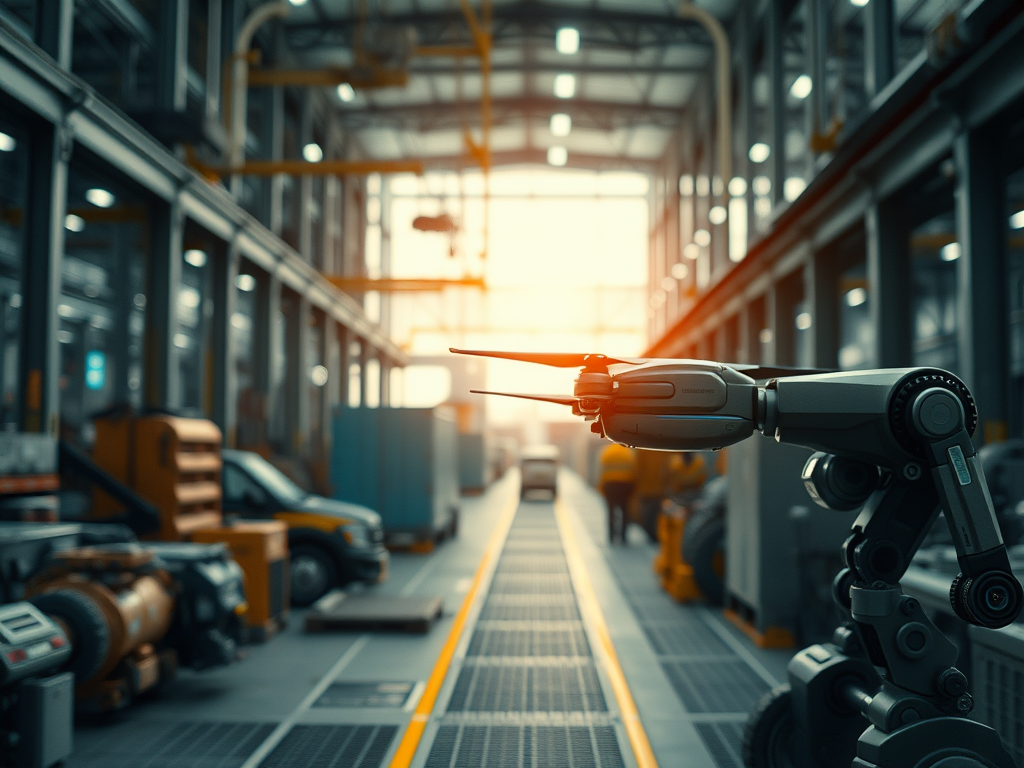
Artificial Intelligence (AI) is revolutionising industries across the globe. In 2025, companies are increasingly adopting AI tools to optimise operations, reduce costs, and improve customer experiences. From manufacturing and logistics to energy and agriculture, AI is enabling smarter decision-making and driving unprecedented efficiency. AI in Manufacturing In manufacturing, AI-powered robotics, predictive maintenance, and quality control are reshaping production lines: Robotic automation handles repetitive tasks, increasing speed and precision. Predictive maintenance analyses machine data to prevent breakdowns and reduce downtime. AI quality control uses computer vision to detect defects that human inspectors might miss. These innovations result in higher efficiency, reduced waste, and lower operational costs. AI in Logistics and Supply Chain AI optimises logistics by forecasting demand, planning routes, and managing inventory: Smart route planning reduces delivery times and fuel consumption. Inventory management systems use AI to predict stock requirements and minimise shortages or overstocking. Warehouse...
Continue reading
image
AI Ethics & Governance, Tamfis AI

The Role of AI in National Security and Defence in 2025

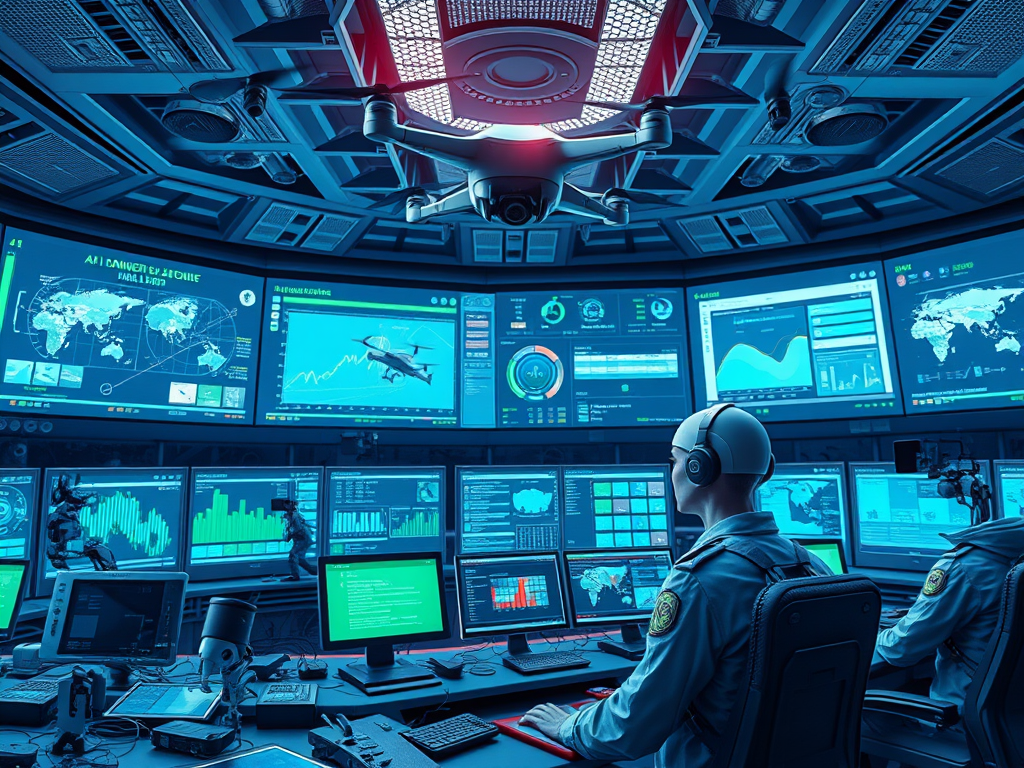
Artificial Intelligence (AI) is no longer confined to business and healthcare—it is now a cornerstone of national security and defence strategies worldwide. By 2025, AI technologies are reshaping military operations, intelligence gathering, cybersecurity, and emergency response, enabling nations to respond faster, more accurately, and more effectively to threats. AI in Intelligence and Threat Analysis AI enhances intelligence operations by rapidly processing massive amounts of data from satellites, sensors, social media, and communication networks. AI algorithms can detect unusual patterns that indicate potential threats or hostile activity. Predictive models help defence agencies anticipate conflict scenarios and prevent escalation. Automated analysis reduces the workload on human analysts and increases response speed. Autonomous Systems and Robotics Autonomous drones, unmanned vehicles, and robotic systems are increasingly integrated into defence strategies. Surveillance drones provide continuous real-time monitoring of borders and critical infrastructure. Autonomous ground vehicles can perform reconnaissance missions...
Continue reading