

image
AI Tools & Reviews, AI Trends & News

AI in Healthcare: Revolutionising Patient Care and Diagnostics

Artificial Intelligence (AI) is not only transforming business operations but also revolutionising healthcare. From early disease detection to streamlined patient care, AI is empowering doctors, hospitals, and patients to achieve better outcomes with greater efficiency. In 2025, healthcare systems worldwide are increasingly adopting AI tools, reshaping the patient journey and driving innovations once considered science fiction. The Promise of AI in Modern Healthcare AI in healthcare is built on three pillars: data-driven insights, automation of repetitive tasks, and personalisation of treatments. Medical professionals generate vast amounts of data daily—patient histories, scans, lab results, and prescriptions. Traditionally, this data was underutilised, but now AI systems can process it rapidly and offer actionable insights. With algorithms that detect patterns beyond human capability, doctors can make more accurate diagnoses. For instance, AI can flag early signs of cancer in an MRI...
Continue reading
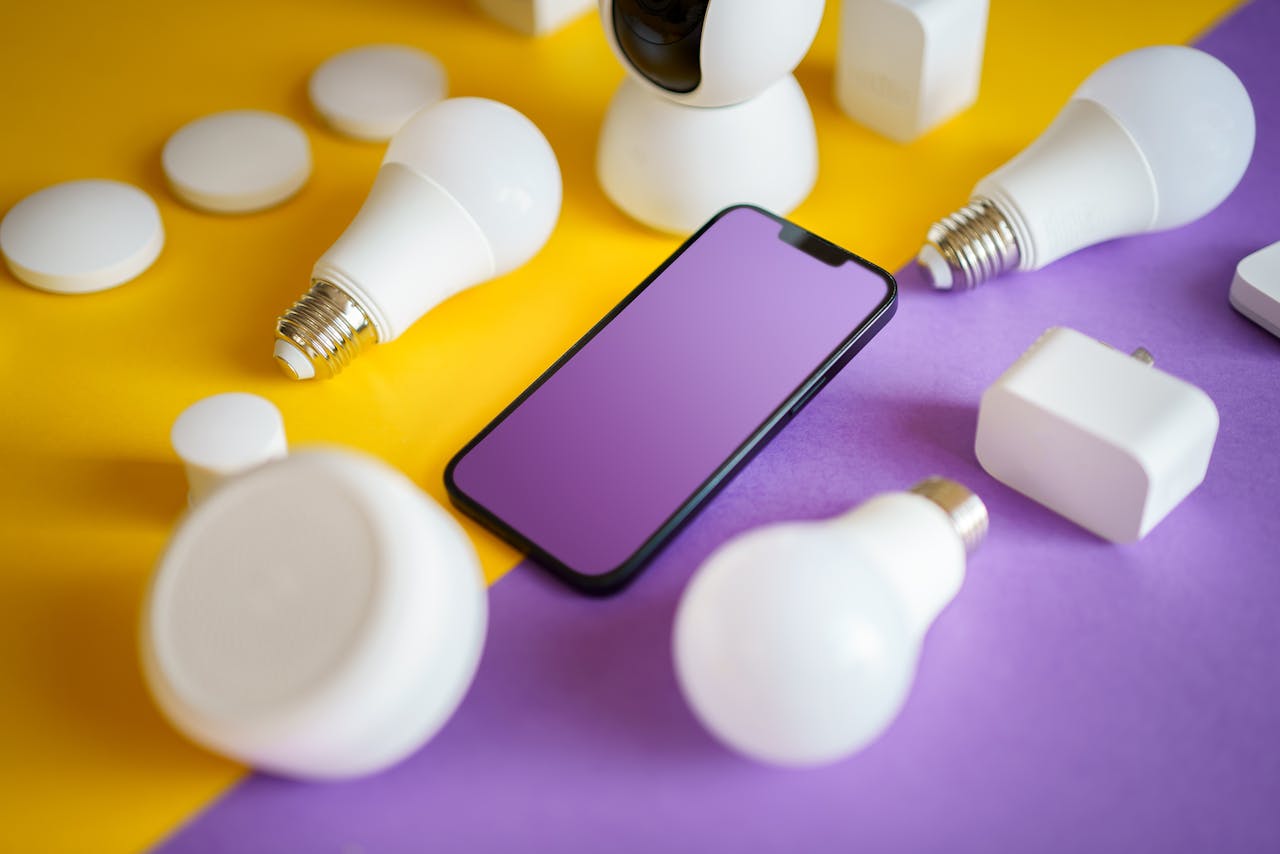
Colorful flat lay of smart home devices and smartphone on vibrant background, ideal for technology concepts.
AI Power, AI Tools & Reviews

The Rise of AI Tools in Everyday Life: From Home to Workplace

Artificial Intelligence (AI) is no longer confined to laboratories, research papers, or niche applications. In 2025, AI tools have become part of our everyday lives, shaping how we communicate, work, shop, travel, and even relax at home. The rise of accessible AI-powered apps, devices, and services means that nearly everyone now interacts with AI daily—often without realising it. 1. AI in the Smart Home From smart speakers to intelligent security systems, AI has made our homes more efficient, safer, and more comfortable. Voice assistants like Alexa and Google Home now act as full-scale home managers, controlling lights, thermostats, and even appliances. AI-powered cameras identify family members versus intruders, sending alerts only when necessary. Energy-saving systems predict usage patterns to reduce electricity bills. In 2025, smart homes are no longer futuristic concepts—they are mainstream. 2. AI in Personal Finance Money management has become smarter...
Continue reading