
Top Stories
KFF Health News’ ‘What the Health?’: The Supreme Court and the Abortion Pill
Since the Supreme Court overturned Roe v. Wade in 2022, the landscape of abortion rights in the United S...
TAMFIS NIG LTDRC 8067447CAC ACTIVEFinima, Bonny Island, Rivers State

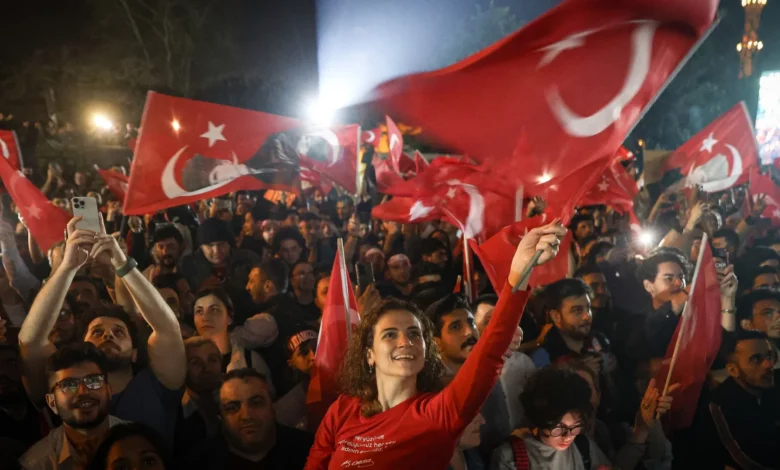
Turkey’s local elections held in 2024 have delivered a substantial political blow to President Recep Tayyip Erdogan and his ruling Justice and Development Party (AKP). After narrowly securing re-election in the presidential runoff earlier this year, Erdogan had set his sights on regaining control over major urban centers lost to the opposition in 2019. However, the opposition Republican People’s Party (CHP) has triumphed in several key cities including Istanbul and Ankara, highlighting shifting public sentiment and raising questions about the future trajectory of Turkish politics. This article delves into the election results, the implications for Erdogan’s political standing, and the broader impact on Turkey’s democratic processes.
On April 14, 2024, Turkey conducted nationwide local elections to elect mayors, district officials, and municipal councils for a five-year term. These elections are critical as they influence local governance and reflect the political mood across the country. Unlike national elections, local elections often provide a more nuanced picture of citizens’ satisfaction with ruling parties and their policies.
President Erdogan’s AKP entered the elections determined to reclaim dominance over major cities lost in the 2019 local elections, particularly Istanbul and Ankara, which are vital political and economic hubs. The 2019 elections had marked a turning point when the opposition CHP wrested control of these cities after decades of AKP rule.
The 2024 elections were widely viewed as a referendum on Erdogan’s leadership and his government’s handling of economic challenges, inflation, and social issues. The outcomes would not only influence local administration but also signal the public’s appetite for change ahead of the next national elections.
Unofficial results revealed a decisive win for the opposition CHP, which secured 49 out of 81 municipalities nationwide and 14 out of 30 city districts, according to Turkey’s Supreme Electoral Council. The CHP’s success was especially pronounced in metropolitan areas, where voter turnout and engagement were high.
Istanbul, Turkey’s largest city and economic powerhouse, once again elected CHP’s Ekrem İmamoğlu as mayor with approximately 51.1% of the vote. İmamoğlu’s re-election underlines his personal popularity and the electorate’s rejection of AKP’s attempts to regain control. Similarly, Ankara’s incumbent CHP mayor Mansur Yavaş won a commanding 60.4% of the vote, reinforcing his strong local support.
Izmir, a long-standing CHP stronghold, continued its support for the party by re-electing Cemil Tugay with nearly 49% of the vote. The opposition’s grip on these cities demonstrates a consolidation of urban voters behind CHP’s platform emphasizing democratic governance, transparency, and economic reform.
Istanbul and Ankara are not only the largest cities in Turkey but also pivotal political battlegrounds. Istanbul, home to over 15 million people, is the country’s economic hub and a symbolic prize for any ruling party. Erdogan himself began his political career as Istanbul’s mayor, making the city a personal and strategic stronghold.
Ankara, the capital city, holds administrative importance and is often viewed as a bellwether for national political trends. Control over Ankara gives a party leverage over bureaucratic institutions and local governance structures that influence national politics.
The opposition’s victories in both cities signal a shift in urban political dynamics and indicate growing dissatisfaction with AKP’s governance. These results could influence national policy debates and the balance of power as Turkey approaches future general elections.
Following the election results, President Erdogan conceded the setbacks but emphasized respect for democratic processes. Speaking at the AKP headquarters, he acknowledged the people’s will and described democracy as the ultimate winner, signaling a willingness to accept the verdict despite the political blow.
The loss in key cities represents a challenge for Erdogan’s long-standing dominance in Turkish politics. It suggests that despite his narrow presidential victory earlier this year, significant portions of the electorate are seeking alternative leadership, especially in urban centers where economic pressures and calls for democratic reforms are more pronounced.
Erdogan’s party will need to reassess its strategies and policies to regain urban support. Analysts predict potential shifts in AKP’s approach to governance and outreach efforts to address public concerns, particularly regarding economic stability and civil liberties.
CHP leaders framed their victories as a mandate for democratic renewal and a rejection of authoritarian tendencies. Ekrem İmamoğlu declared the end of “one-man rule” and positioned Istanbul as a beacon of hope and resilience against rising authoritarianism.
The opposition’s platform emphasizes strengthening democratic institutions, enhancing transparency, and revitalizing the economy to address inflation and unemployment. Their success in local elections provides momentum for pushing reforms at the national level.
By securing key municipalities, the CHP aims to demonstrate effective governance at the local level as a model for potential national leadership. Their victories also energize supporters and may attract undecided voters ahead of upcoming parliamentary elections.
The 2024 local elections underscore the vibrancy and competitiveness of Turkey’s democracy despite challenges. Voter turnout was robust, and the peaceful transfer of power in key cities reflects institutional maturity and public engagement.
However, concerns remain regarding media freedom, judicial independence, and political polarization. The elections serve as a reminder of the ongoing struggle to balance centralized power with democratic accountability.
The opposition’s gains could foster greater checks and balances at the municipal level, promoting more inclusive governance. This dynamic may encourage political pluralism and strengthen democratic norms in Turkey over time.
As Turkey approaches future national elections, the results of the local polls offer critical insights into shifting political allegiances. Erdogan’s AKP must address economic grievances and governance criticisms to remain competitive, especially in urban areas.
The opposition has an opportunity to consolidate gains by delivering effective local governance and articulating a clear national vision. Success at the municipal level can build credibility and expand their influence across the country.
Both sides face the challenge of bridging divisions within Turkish society and fostering dialogue amid a polarized political environment. How they navigate these challenges will shape Turkey’s democratic trajectory in the coming years.
Turkey’s 2024 local elections represent a pivotal moment in the nation’s political evolution. The opposition’s success in reclaiming control of influential cities such as Istanbul and Ankara signals a shifting political landscape and growing public appetite for democratic governance and economic reform. While President Erdogan and the AKP face significant challenges, the peaceful conduct of the elections and the electorate’s engagement underscore the resilience of Turkey’s democracy. As the country prepares for future national elections, these results serve as both a warning and an opportunity for all political actors to address citizens’ concerns and work towards a more inclusive and prosperous Turkey.
Originally reported by egyptindependent.com. Adapted for our readers.
Keep reading
Top Stories
Since the Supreme Court overturned Roe v. Wade in 2022, the landscape of abortion rights in the United S...
Top Stories
Top Stories Tamfitronics One evening in May, nursing assistant Debra Ragoonanan’s vision blurred during her shift at a state-run Massachusetts vet...
TAMFIS NIG LTD
Electrical and instrumentation engineering, bid preparation and consulting, IT and software.