
Top Stories
KFF Health News’ ‘What the Health?’: The Supreme Court and the Abortion Pill
Since the Supreme Court overturned Roe v. Wade in 2022, the landscape of abortion rights in the United S...
TAMFIS NIG LTDRC 8067447CAC ACTIVEFinima, Bonny Island, Rivers State

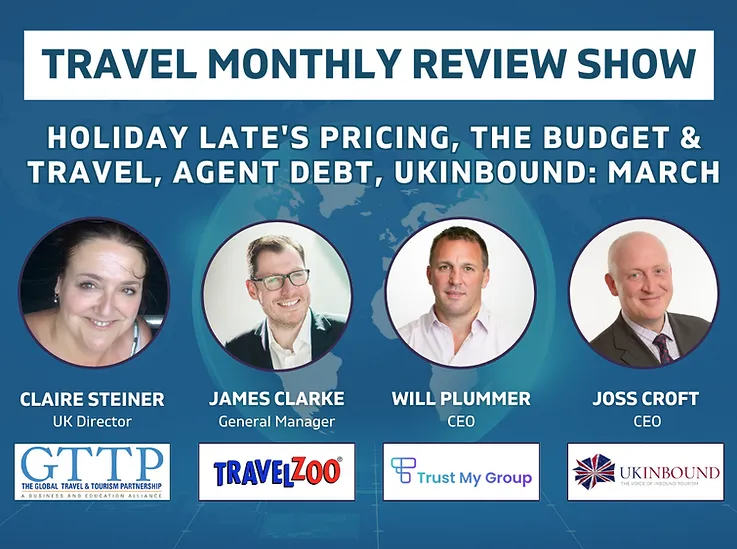
The March 2024 edition of the Commute Monthly Evaluation podcast offers a critical overview of pivotal topics influencing the UK travel and tourism industry. From the innovative pricing models introduced by Vacation Unhurried to the implications of the UK government’s Spring budget on travel finances, this episode provides valuable insights for industry stakeholders. Additionally, the discussion addresses the growing concerns around agent debt and features a compelling interview with Joss Croft, CEO of UKInbound, who shares expert views on international traveller trends. This article delves into these themes, unpacking their significance and offering actionable takeaways for businesses navigating the evolving travel landscape.
Vacation Unhurried has recently garnered attention for its unique approach to pricing within the holiday rental market. By focusing on flexibility and transparency, the company aims to cater to modern travellers seeking bespoke experiences without the traditional constraints of rigid pricing structures. Their model incorporates variable rates based on demand, seasonality, and customer preferences, positioning them competitively amid a crowded marketplace.
This pricing strategy not only benefits consumers by offering tailored options but also allows property owners to optimize occupancy and revenue. Vacation Unhurried’s platform leverages data analytics to adjust prices dynamically, ensuring alignment with market trends and customer behaviour. This adaptive pricing mechanism is particularly relevant in a post-pandemic environment where travel patterns are fluctuating.
Industry experts commend Vacation Unhurried for addressing common pain points associated with holiday rentals, such as hidden fees and inflexible cancellation policies. By prioritizing customer-centric pricing, the company fosters trust and encourages repeat bookings, which are vital for sustained growth in the competitive UK travel sector.
The Spring Budget 2024 introduced several fiscal measures aimed at bolstering economic stability and supporting key sectors, including travel and tourism. Notably, the government announced adjustments to Air Passenger Duty (APD), with a planned increase on premium class travel. This policy shift is expected to impact airlines and travellers, potentially influencing booking behaviours and pricing strategies.
Another significant change is the abolition of the Furnished Holiday Letting (FHL) scheme from April 2025. This decision means mortgage interest on holiday lets will no longer be deductible, a move that could affect property investors and operators within the vacation rental market. These changes necessitate strategic financial planning to mitigate potential cost increases.
Additional budgetary measures include freezing alcohol duties until February 2025 and adjusting National Insurance contributions for workers and the self-employed. The VAT threshold is also set to increase from £85,000 to £90,000, which may offer some relief to smaller travel businesses. Collectively, these fiscal policies aim to balance economic growth with targeted support for the industry.
Agent debt remains a pressing issue within the travel sector, with many agencies facing financial strain due to delayed payments and rising operational costs. This challenge is compounded by fluctuating demand and evolving consumer expectations in the wake of the pandemic. The March podcast highlights the need for robust financial management and collaboration among stakeholders to address these concerns.
Travel agents play a critical role in the distribution chain, and their financial stability directly impacts the broader ecosystem. Industry bodies are increasingly advocating for clearer payment terms and enhanced support mechanisms to reduce the incidence of debt accumulation. Innovative financing options and credit facilities are also being explored to provide agents with greater liquidity.
The conversation emphasizes the importance of transparency and trust between suppliers and agents. By fostering stronger partnerships and leveraging technology for efficient invoicing and payment tracking, the sector can work towards minimizing debt risks and ensuring smoother operations.
Joss Croft, CEO of UKInbound, offers valuable perspectives on the evolving dynamics of international travel to the UK. According to Croft, the sector is witnessing a gradual recovery, with key source markets showing renewed interest in UK destinations. The diversification of traveller profiles and preferences is driving demand for authentic and sustainable experiences.
UKInbound’s analysis points to increased spending by international visitors, coupled with a growing appetite for off-the-beaten-path locations. This trend presents opportunities for regional tourism businesses to capitalize on new market segments and extend visitor stays beyond traditional hotspots.
Croft also highlights challenges such as visa processing delays and infrastructure capacity constraints that require coordinated efforts between government and industry to resolve. Strategic marketing and investment in visitor services remain priorities to maintain the UK’s competitive edge in the global tourism landscape.
The UK government has introduced several funding initiatives to support travel businesses navigating economic uncertainties. These include grants, loans, and tax relief measures designed to enhance liquidity and encourage investment in innovation and sustainability. The March podcast explores how these funds can be effectively leveraged by operators at various scales.
Accessing financial support requires awareness of eligibility criteria and compliance with regulatory frameworks. Industry associations play a crucial role in disseminating information and advocating for sector-specific needs. Collaborative efforts between public bodies and private enterprises are essential to maximize the impact of funding programs.
Furthermore, the emphasis on green recovery aligns with broader environmental goals, encouraging travel companies to adopt eco-friendly practices. Funding schemes targeting carbon reduction and digital transformation present avenues for businesses to future-proof operations and meet evolving consumer expectations.
The March episode of the Commute Monthly Evaluation features a Rapid Quiz segment with prominent industry figures including Will Plummer (CEO, Believe My Neighborhood), Claire Steiner (UK Director, Global Commute and Tourism Partnership), and James Clarke (Popularity Manager, Travelzoo UK). Their insights shed light on pressing issues and emerging opportunities within the travel landscape.
Participants discuss topics such as the impact of regulatory changes, the importance of digital engagement, and strategies for enhancing customer loyalty. The consensus underscores the need for agility and innovation as key drivers of resilience and growth in a competitive market.
This segment provides listeners with a snapshot of expert opinions, encouraging reflection and dialogue among industry professionals. It reinforces the value of knowledge-sharing and collective problem-solving to address sector-wide challenges.
Haynes MarComs, the producer of the Commute Monthly Evaluation podcast, specializes in delivering strategic marketing, communications, and digital campaigns tailored for the travel industry. Their holistic approach integrates sales and customer journey optimization to enhance market confidence and lead generation.
By combining data-driven insights with creative messaging, Haynes MarComs helps travel businesses differentiate themselves and connect meaningfully with target audiences. Their expertise spans multiple channels including PR, social media, and content marketing, ensuring comprehensive campaign execution.
The company’s commitment to understanding industry nuances enables them to craft solutions that address specific challenges such as agent debt, evolving traveller behaviours, and regulatory changes. This makes Haynes MarComs a valuable partner for businesses aiming to thrive in a dynamic environment.
The March 2024 Commute Monthly Evaluation podcast provides a comprehensive overview of critical developments shaping the UK travel and tourism industry. From Vacation Unhurried’s pioneering pricing strategies to the implications of the UK government’s Spring budget, stakeholders must navigate a complex landscape marked by financial pressures and evolving consumer expectations. Addressing agent debt, leveraging government funds, and adopting innovative marketing approaches are essential steps for sustained success. Insights from UKInbound and industry leaders further enrich understanding of emerging trends, underscoring the need for collaboration and adaptability. As the sector continues to recover and transform, informed decision-making will remain paramount to capitalizing on new opportunities and mitigating risks.
Originally reported by hotelnewsresource.com. Adapted for our readers.
Keep reading
Top Stories
Since the Supreme Court overturned Roe v. Wade in 2022, the landscape of abortion rights in the United S...
Top Stories
Top Stories Tamfitronics One evening in May, nursing assistant Debra Ragoonanan’s vision blurred during her shift at a state-run Massachusetts vet...
TAMFIS NIG LTD
Electrical and instrumentation engineering, bid preparation and consulting, IT and software.