
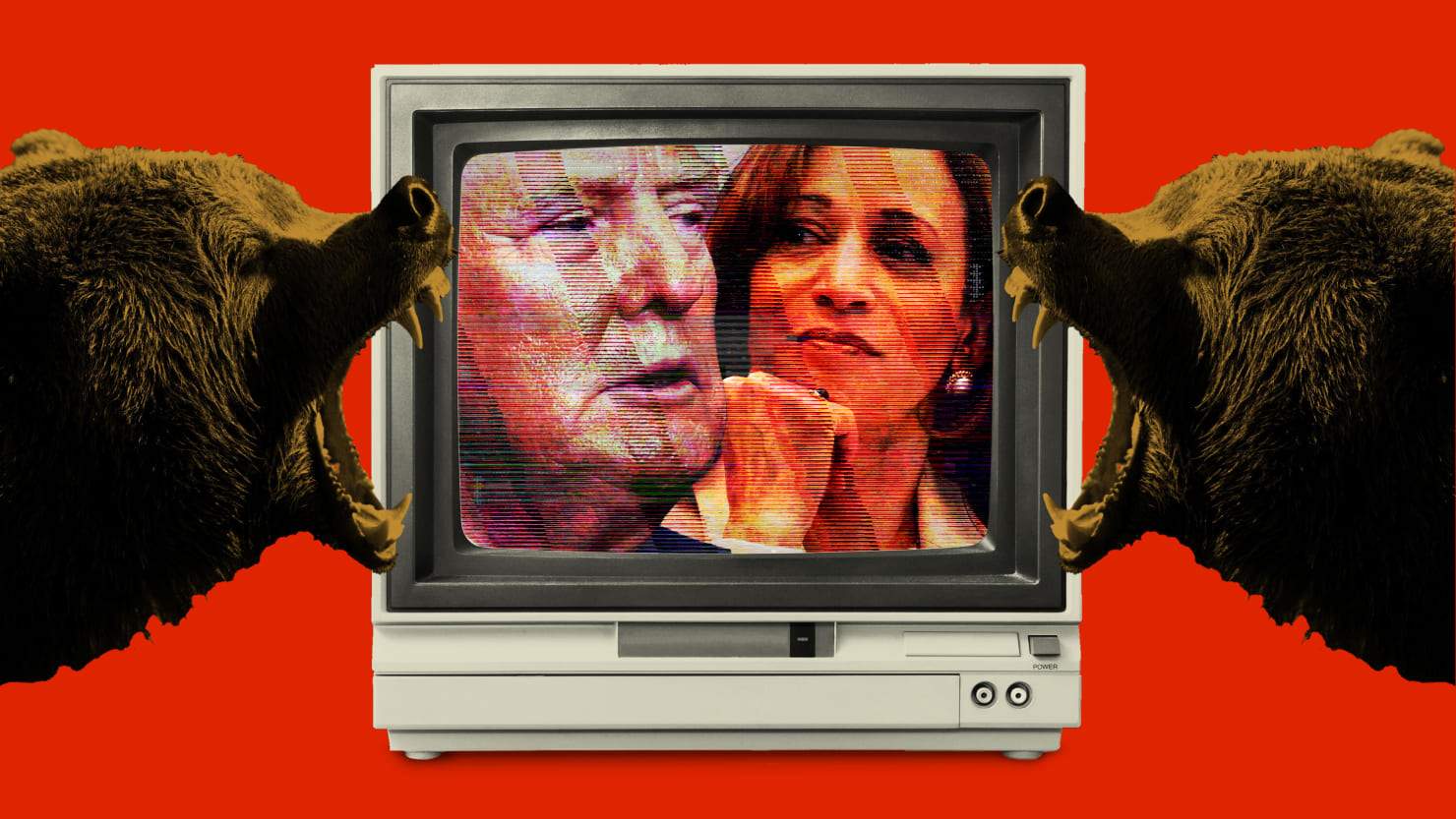
President Joe Biden’s announcement that he will not run for a second term in the 2024 US presidential election has triggered significant reactions both in the United States and abroad. This unexpected move upends established political dynamics, forcing the Republican Party and its frontrunner Donald Trump to rethink their campaign strategies. Meanwhile, Russian state media and political figures, who closely monitor US politics for geopolitical insights, have expressed a mix of mockery and concern. This article examines how Biden’s withdrawal reshapes the election narrative, the challenges it poses for Trump and the GOP, and its wider implications for businesses, consumers, and international observers.
The Biden Withdrawal: A Game-Changer in the 2024 Election
Joe Biden’s decision to exit the 2024 presidential race has dramatically altered the electoral landscape. Previously, Biden’s age and health were frequent targets for Republican attacks, especially from Donald Trump. With Biden no longer a candidate, these attack points vanish, leaving Trump without his key 'trump cards,' as noted by Russian State Duma member Oleg Matveychev.
This development forces Republicans to shift focus toward Vice President Kamala Harris. However, attempts to undermine Harris based on her race or identity are unlikely to gain traction and may even galvanize her supporters, according to Matveychev. This underscores the evolving nature of political campaigning, where voter demographics and identity politics play increasingly critical roles.
For businesses and political observers, Biden’s withdrawal signals a more unpredictable election environment. Political consultants, media outlets, and advertisers must adapt quickly to new messaging strategies and voter engagement tactics. The absence of an incumbent candidate also raises questions about the Republican Party’s ability to leverage traditional attack lines, necessitating fresh approaches to outreach and campaign narratives.
Russian Media’s Reaction: From Mockery to Concern
Russian state media, traditionally supportive of Donald Trump, initially mocked the US political scene, ridiculing Trump’s physical appearance and campaign antics, such as his ear injury that inspired a GOP flashmob wearing ear patches. However, with Biden’s withdrawal, the tone shifted from humor to apprehension.
Prominent Russian pundits like Vladimir Solovyov and Oleg Matveychev expressed concern about Trump’s prospects without Biden as a target. They noted that Trump’s previous strategies—highlighting Biden’s age or health—are now obsolete, forcing Trump to find new ways to attract voter attention in a dramatically changed campaign environment.
This reaction highlights how international actors closely monitor US elections due to their global impact. For businesses involved in international trade or political risk analysis, understanding these perspectives is crucial to navigating geopolitical uncertainties. Moscow’s focus on the US election reflects its broader interest in American political stability and its implications for global power dynamics.
The GOP’s Strategic Dilemma: Aging Candidate and Messaging Challenges
Within the Republican Party, Biden’s exit intensifies scrutiny on Donald Trump, now the oldest candidate in the race. Russian commentators predict Democrats will exploit Trump’s age as a campaign issue, potentially undermining his appeal to a wide electorate.
Additionally, symbolic gestures like the GOP’s ear patch flashmob, once a popular way to mock Trump’s appearance, have been criticized as outdated and ineffective. This signals the party’s need to refresh its image and messaging to resonate beyond Trump’s loyal base and appeal to undecided or moderate voters.
For political strategists, this presents both challenges and opportunities. Crafting innovative, respectful messaging that addresses voter concerns without alienating key demographics will be critical. The GOP’s ability to adapt its communication strategies could determine its success in a highly competitive and unpredictable election cycle.
Implications for Global Markets and Business Stakeholders
The US presidential election carries significant global economic and political consequences. Biden’s departure and the resulting uncertainty around the Republican campaign may affect market stability, trade policies, and international relations.
Businesses operating in Nigeria and other emerging markets should closely monitor how election dynamics influence US foreign policy, particularly regarding trade agreements, investment flows, and geopolitical alliances. Changes in US leadership priorities could impact procurement opportunities, tender processes, and cross-border collaborations, especially in sectors sensitive to regulatory shifts.
Moreover, heightened political tensions and predictions of potential unrest, as suggested by Russian pundits, may dampen global investor confidence. Companies must integrate political risk assessments into strategic planning to mitigate disruptions, preparing for scenarios involving increased polarization or civil unrest that could have far-reaching effects beyond US borders.
The Role of Media and Propaganda in Shaping Election Narratives
Russian state media’s coverage of the US election illustrates the powerful role of propaganda in shaping public perception. Initial mockery of Biden and Trump’s campaign quirks gave way to sober analysis following Biden’s withdrawal, reflecting how political narratives and media messaging rapidly evolve.
This underscores the importance of critical media literacy for business leaders and consumers. Understanding how narratives are constructed and disseminated helps stakeholders discern biases and make informed decisions amid rapid information flows and social media influence.
For e-commerce platforms and digital marketers, recognizing media narratives’ impact on consumer sentiment is vital. Tailoring communication strategies to address or counter misinformation can enhance brand credibility and customer trust. Businesses must remain vigilant about how political developments and media portrayals might affect consumer behavior and market trends.
What this means
President Joe Biden’s withdrawal from the 2024 presidential race marks a pivotal moment reshaping the US political landscape and reverberating globally. For Donald Trump and the Republican Party, this presents both challenges and opportunities amid a transformed electoral environment. International observers, particularly in Russia, have taken keen interest, reflecting broader geopolitical implications. For businesses, consumers, and political consultants worldwide, staying attuned to these evolving dynamics is essential. Understanding shifting narratives, strategic recalibrations, and potential risks will enable stakeholders to respond effectively to the uncertainties ahead.
This article was curated with AI assistance and reviewed according to Tamfis editorial settings.