
Politics
Science vs politics: Kiwi’s long road to EU health-claim approval
In August 2025, Zespri, the world’s largest marketer of kiwifruit, announced that the European Commission had approved what it described as the first health…
TAMFIS NIG LTDRC 8067447CAC ACTIVEFinima, Bonny Island, Rivers State

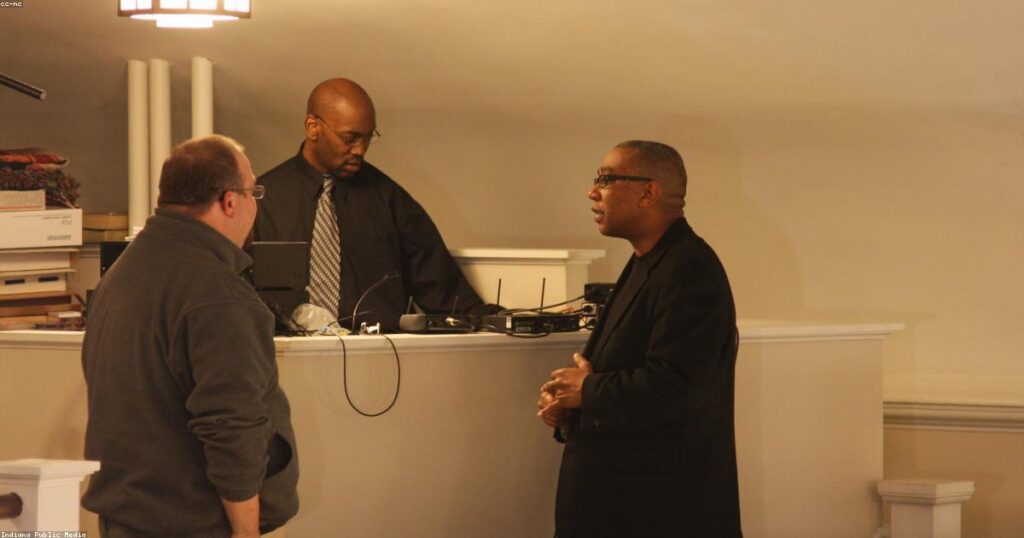
Abortion politics have become a focal point in the 2024 presidential race, with debates intensifying over access to reproductive rights following recent legislative changes in various states. While much attention has been given to women’s perspectives and activism, pastors and community leaders have identified a distinct reluctance among Black men to openly discuss abortion-related issues. This hesitancy is significant, given the demographic’s critical role in shaping electoral outcomes, especially as President Joe Biden works to shore up support within the Black community. Understanding the underlying causes of this wariness and its implications is essential to comprehending the evolving political landscape.
The 2024 presidential election is unfolding amid heightened tensions over abortion rights, largely influenced by the Supreme Court's 2022 decision that overturned Roe v. Wade. This watershed moment has led to a patchwork of state-level abortion restrictions, making reproductive rights a central campaign issue. President Joe Biden and the Democratic Party have positioned themselves as defenders of abortion access, aiming to mobilize voters who view the issue as a litmus test for broader social justice concerns.
For Black communities, abortion politics intersect with ongoing struggles related to healthcare access, socioeconomic disparities, and systemic inequities. These factors complicate the dialogue, as reproductive rights are not merely legal matters but are deeply tied to community welfare and historical experiences. Consequently, political messaging around abortion must navigate these nuances to effectively resonate with Black voters.
As Biden seeks to galvanize his base, engaging Black men on abortion politics becomes a strategic priority. However, pastors and community leaders report a noticeable reluctance among Black men to participate in these conversations, a dynamic that could influence voter turnout and campaign strategies.
Many pastors serving predominantly Black congregations observe a palpable hesitance among Black men to openly discuss abortion politics. This reticence is often attributed to cultural norms that discourage men from engaging in conversations about reproductive health, traditionally viewed as a women’s issue. Pastors note that these norms can create discomfort or perceived social risk for men who express opinions on abortion.
Additionally, some pastors highlight a generational divide, where younger Black men may be more willing to engage but older men remain guarded. This divide reflects broader societal tensions about masculinity, vulnerability, and political expression within Black communities. Pastors play a crucial role in mediating these conversations, using their platforms to encourage open dialogue while respecting community sensitivities.
The reluctance also stems from a complex interplay of historical mistrust towards political institutions and skepticism about whether abortion politics truly address the needs of Black men and their families. This skepticism makes it challenging for political campaigns to connect with this demographic on abortion-related issues.
Cultural norms within Black communities often emphasize privacy and resilience, which can limit public discussions about sensitive topics like abortion. For Black men, these norms intersect with expectations around masculinity, where emotional expression and vulnerability are sometimes discouraged. This cultural backdrop contributes to the wariness pastors observe.
Social stigma surrounding abortion also plays a significant role. Within many Black communities, abortion remains a contentious and morally complex subject, compounded by religious beliefs that shape attitudes. Pastors report that this stigma can silence men who might otherwise engage, fearing judgment or alienation from their peers and faith communities.
Moreover, the legacy of reproductive injustice—such as forced sterilizations and healthcare discrimination—adds layers of complexity. Black men may feel conflicted about abortion politics, balancing concerns about reproductive rights with apprehensions about systemic abuses that have historically targeted their communities.
The Black church remains a cornerstone of social and political life in many Black communities, serving as a space for spiritual guidance and community organizing. Pastors are influential figures who shape discourse around moral and ethical issues, including abortion. Their perspectives provide valuable insights into the community’s collective attitudes.
Faith-based teachings often emphasize the sanctity of life, which can create tension when addressing abortion politics. Pastors find themselves navigating a delicate balance between upholding religious convictions and acknowledging the lived realities of their congregants, especially women facing reproductive health decisions.
Despite these challenges, many pastors advocate for compassionate, open conversations that respect diverse viewpoints. They recognize the importance of involving Black men in these dialogues to foster understanding and support, while also addressing broader social justice concerns tied to reproductive rights.
President Biden’s campaign aims to solidify support among Black voters by emphasizing commitments to racial equity, healthcare access, and reproductive rights. However, the wariness among Black men to engage in abortion politics presents a strategic challenge. Campaign strategists must develop messaging that resonates without alienating this key demographic.
Efforts to mobilize Black men often focus on broader themes such as economic opportunity, criminal justice reform, and community investment, areas where engagement is more robust. Integrating abortion politics into these conversations requires nuanced approaches that acknowledge cultural sensitivities and avoid framing the issue solely as a women’s concern.
Biden’s team may also leverage trusted community leaders, including pastors, to facilitate dialogue and encourage political participation. Building authentic connections through faith-based institutions could help bridge gaps and foster more inclusive discussions about abortion and related policy priorities.
One of the primary challenges in engaging Black men on abortion politics is overcoming the perception that the issue is peripheral to their immediate concerns. Economic insecurity, education, and criminal justice often dominate political conversations within this group, making abortion seem less urgent or relevant.
Communication barriers also exist, with some Black men feeling excluded from reproductive health discussions that are often targeted toward women. This exclusion can breed disengagement or indifference, underscoring the need for inclusive messaging that addresses the roles and responsibilities of all community members.
Furthermore, political polarization around abortion complicates efforts to foster constructive dialogue. Fear of backlash or social ostracism can deter Black men from publicly expressing their views, limiting the diversity of perspectives heard within both community and political spheres.
To address these challenges, pastors and community leaders suggest creating safe spaces for Black men to discuss abortion politics without judgment. Facilitated conversations within churches, community centers, and civic organizations can help normalize dialogue and reduce stigma.
Educational initiatives that frame abortion within the broader context of health equity, family welfare, and social justice may also resonate more effectively. By connecting abortion rights to issues that directly impact Black men and their families, advocates can foster greater understanding and investment.
Collaboration between political campaigns and faith leaders is another promising avenue. When pastors endorse open, compassionate conversations, it legitimizes the discourse and encourages participation. Ultimately, sustained efforts to listen, respect diverse viewpoints, and build trust are essential to engaging Black men meaningfully on abortion politics.
The wariness among Black men to openly discuss abortion politics reflects a complex interplay of cultural, social, and historical factors. As abortion remains a defining issue in the 2024 election, understanding and addressing this reluctance is crucial for political campaigns, faith leaders, and community advocates alike. By fostering inclusive, respectful dialogue and connecting abortion rights to broader concerns affecting Black communities, it is possible to engage Black men more effectively. This engagement not only strengthens democratic participation but also enriches the collective conversation around reproductive justice and equity in America.
Originally reported by usnews.com. Adapted for our readers.
Keep reading
Politics
In August 2025, Zespri, the world’s largest marketer of kiwifruit, announced that the European Commission had approved what it described as the first health…
News
By Engr. Tamunofiniarisa BrownReading Time: 6 Minutes The conflict between Russia and Ukraine is often framed in the media as a simple battle between…
Politics
Twenty-five years after the September 11 attacks, the family of Marine Travis Fuller reflects on his death in the Iraq War, grappling with the…
TAMFIS NIG LTD
Electrical and instrumentation engineering, bid preparation and consulting, IT and software.