Top Stories
Discovery beneath soccer field reveals massive medieval convent lost for centuries
NEWYou can now listen to Fox News articles! Researchers recently uncovered a long-lost medieval convent in an unusual location in Denmark: a soccer field…
TAMFIS NIG LTDRC 8067447CAC ACTIVEFinima, Bonny Island, Rivers State

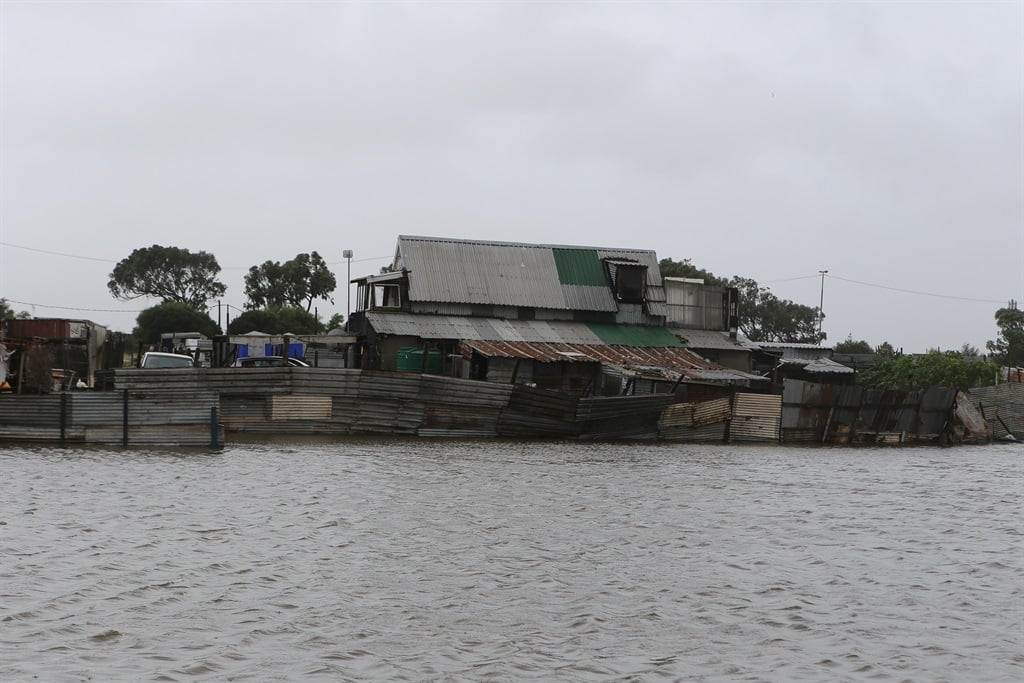
The Western Cape is currently facing an unprecedented meteorological challenge as severe storms and heavy rainfall continue to affect the region. Premier Alan Winde has indicated that the government is carefully assessing the situation and may declare a state of disaster to mobilize resources and provide urgent relief. This article delves into the evolving crisis, the government’s response, the role of political stakeholders, and the impact on communities and infrastructure across the province.
The Western Cape has been battered by relentless storms characterized by heavy rainfall and strong winds, causing widespread disruption. Rivers across the province have reached full capacity, significantly increasing the risk of flooding in vulnerable areas. The South African Weather Service has escalated warnings to Level 8, indicating a critical need for vigilance and preparedness.
These adverse weather conditions have persisted over several days, with forecasts predicting continued rainfall and storms. The cumulative effect has led to extensive damage to homes, roads, and public infrastructure, displacing thousands of residents and triggering emergency response measures across municipalities.
The severity of the weather has challenged local disaster management teams, who are working tirelessly to mitigate risks and provide support to affected communities. Efforts include evacuations, flood control measures, and coordination with non-governmental organizations to deliver essential aid.
Premier Alan Winde has confirmed that the Western Cape government is weighing the option to declare a state of disaster as the crisis unfolds. This declaration would enable the province to access additional resources and streamline response efforts to manage the extensive damage caused by the storm.
Before making a formal declaration, the provincial cabinet is conducting comprehensive assessments to evaluate the full extent of the damages and associated costs. Winde emphasized the importance of accurate data collection to ensure that any declaration is justified and effectively supports recovery efforts.
The process also involves coordination with national government structures, as the declaration of a state of disaster requires adherence to legislative protocols under the Disaster Management Act. This ensures that emergency powers are invoked responsibly and that intergovernmental cooperation is maximized.
The African National Congress (ANC) in the Western Cape has formally requested the provincial government to declare a state of disaster. Khalid Sayed, the ANC’s provincial legislature leader, highlighted the severe impact on communities, infrastructure, and essential services in his letter to Premier Winde.
Sayed’s appeal underscores the urgency of mobilizing resources to provide emergency relief and support to displaced residents. He also emphasized the critical role of non-governmental organizations already active on the ground, advocating for their empowerment through official disaster status.
This political intervention reflects broader concerns about preparedness and response capabilities in the face of escalating climate-related disasters. It also signals the need for collaborative governance to address both immediate humanitarian needs and longer-term resilience planning.
The ongoing storm has caused significant damage to roads, bridges, and public facilities throughout the Western Cape. Floodwaters have washed away sections of key transport routes, complicating relief and recovery operations, and isolating some communities.
Public infrastructure, including schools and healthcare facilities, has also suffered damage. The provincial Department of Education reported that 217 schools have experienced disruptions, with 86 classified as seriously damaged, necessitating urgent repairs or temporary closures.
These disruptions have triggered school closures in affected districts such as Overberg and Cape Winelands, impacting thousands of learners. The department continues to monitor conditions closely and will determine reopening schedules based on safety assessments.
Local government agencies, together with provincial departments and NGOs, have mobilized emergency response teams to assist affected communities. Efforts focus on providing shelter, food, and medical assistance to displaced residents, as well as restoring essential services.
Community members have also played a pivotal role by volunteering in rescue operations and supporting vulnerable neighbours. The spirit of solidarity has been crucial in mitigating the storm’s impact and expediting recovery processes.
Authorities continue to urge residents to adhere to safety advisories, avoid flood-prone areas, and report emergencies promptly. Public communication channels remain active to disseminate real-time updates and guidance throughout the crisis.
The severe weather event in the Western Cape highlights growing concerns about climate variability and its effects on regional ecosystems and human settlements. Increased frequency and intensity of storms are consistent with scientific projections related to climate change.
Environmental experts warn that urban development in flood-prone areas without adequate infrastructure exacerbates vulnerability to such natural disasters. Sustainable land use planning and investment in resilient infrastructure are critical to reducing future risks.
The current crisis serves as a reminder of the urgent need for integrated climate adaptation strategies that encompass disaster risk reduction, community education, and ecosystem conservation to safeguard the province’s long-term wellbeing.
Once the immediate crisis subsides, the Western Cape government will focus on comprehensive damage assessments to inform recovery plans. These will prioritize rebuilding infrastructure, restoring services, and supporting affected families to regain stability.
Long-term resilience initiatives will likely include enhancing early warning systems, improving drainage and flood management infrastructure, and strengthening community preparedness programs to better withstand future extreme weather events.
Collaboration between government, civil society, and private sector stakeholders will be essential to mobilize resources and expertise for sustainable recovery. Transparent communication and inclusive planning processes will help ensure that interventions meet the diverse needs of impacted communities.
The ongoing severe weather in the Western Cape has placed significant strain on communities, infrastructure, and government resources. While the province continues to battle the immediate effects of flooding and storm damage, the potential declaration of a state of disaster reflects the gravity of the situation. This measure would enable more effective mobilization of aid and coordination of recovery efforts. As the province navigates this crisis, there is a clear imperative to not only address current challenges but also invest in long-term resilience to mitigate the impact of future climate-related disasters. Through collaborative action and strategic planning, the Western Cape aims to emerge stronger and better prepared for the uncertainties ahead.
Originally reported by news24.com. Adapted for our readers.
Keep reading
Top Stories
NEWYou can now listen to Fox News articles! Researchers recently uncovered a long-lost medieval convent in an unusual location in Denmark: a soccer field…
News
By Engr. Tamunofiniarisa BrownReading Time: 6 Minutes The conflict between Russia and Ukraine is often framed in the media as a simple battle between…
TAMFIS NIG LTD
Electrical and instrumentation engineering, bid preparation and consulting, IT and software.