
Top Stories
Discovery beneath soccer field reveals massive medieval convent lost for centuries
NEWYou can now listen to Fox News articles! Researchers recently uncovered a long-lost medieval convent in an unusual location in Denmark: a soccer field…
TAMFIS NIG LTDRC 8067447CAC ACTIVEFinima, Bonny Island, Rivers State

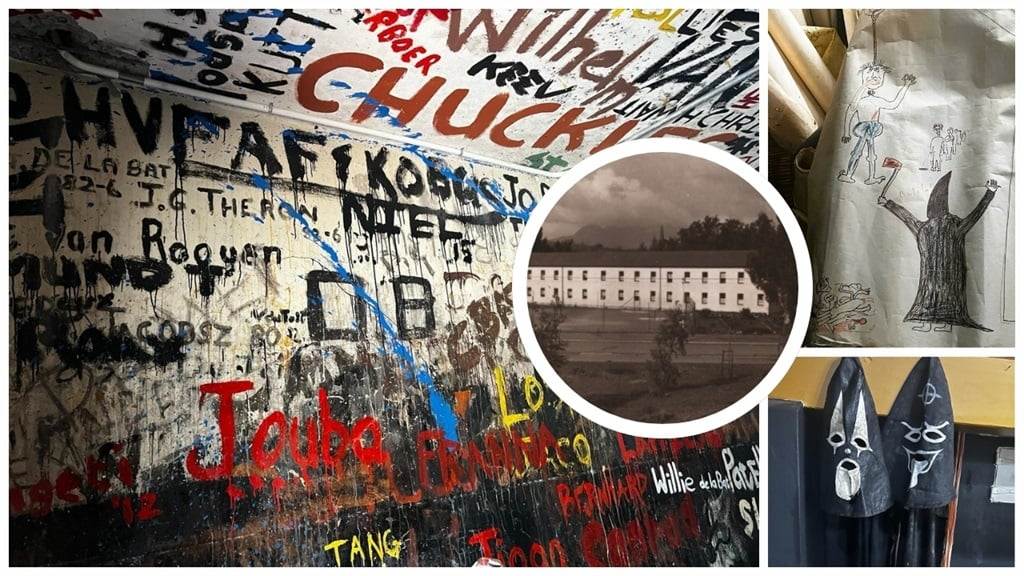
The proposed closure of Stellenbosch University's Wilgenhof men's residence has sparked significant debate within the university community and beyond. After a detailed investigation into the contents and state of two rooms in the hostel, Vice-Chancellor Wim de Villiers recommended its closure in its current form. However, the university council has decided to extend the conversation by inviting public input before finalizing any decisions. This move has been welcomed by Wilgenhof alumni, who advocate for a more transparent and inclusive process, highlighting the residence’s historical and cultural significance. This article delves into the background, the council’s decision, alumni reactions, and the broader implications for the university community.
Wilgenhof, a men’s residence at Stellenbosch University, has long been a symbol of tradition and student life. However, it recently became embroiled in controversy following the release of unauthorised photographs depicting the contents of two rooms within the hostel. These images, published by News24 in January, raised concerns about the environment and culture within the residence.
Subsequently, the university initiated an investigation to assess the situation thoroughly. A panel was appointed to examine the rooms and their contents, with the aim of understanding the implications for the university’s values and standards. The findings prompted Vice-Chancellor Wim de Villiers to recommend the closure of Wilgenhof in its current form, signaling a potential shift in the university’s approach to student housing and culture.
This recommendation sparked intense discussions among students, staff, alumni, and the wider community. The decision touched on sensitive issues such as tradition, student welfare, and institutional accountability, making it a complex matter requiring careful deliberation.
In response to the controversy and the Vice-Chancellor’s recommendation, Stellenbosch University’s council convened to deliberate the future of Wilgenhof. During their meeting, council members unanimously supported the rectorate’s stance but emphasized the need for broader consultation before taking any irreversible steps.
The council announced that it would hold further consultations, inviting feedback from the university community and the public. This decision reflects a commitment to transparency and acknowledges the importance of stakeholder engagement in shaping the university’s policies and environment.
By opening the floor to public input, the council aims to ensure that all voices are heard, including those of current students, alumni, staff, and local residents. This inclusive approach is seen as essential for fostering trust, understanding, and collective responsibility in addressing the challenges facing Wilgenhof.
The Wilgenhof Alumni Association has publicly welcomed the council’s decision to seek public input. Alumni representatives have stressed that such an approach aligns with democratic principles and respects the diverse perspectives within the university community.
Many alumni view Wilgenhof not only as a residence but as a repository of memories, traditions, and lifelong friendships. They argue that any decision regarding its future must consider this heritage while balancing the need for progress and reform.
The association has committed to actively participating in the consultation process, encouraging former residents to share their insights and experiences. Their involvement aims to contribute constructively to the dialogue and help shape a residence environment that is safe, inclusive, and reflective of Stellenbosch University’s values.
The Wilgenhof controversy touches on broader issues related to student culture and institutional identity at Stellenbosch University. The university has been striving to create a welcoming and inclusive environment, and the state of the residence has raised questions about how tradition aligns with these goals.
Closure or transformation of Wilgenhof could signal a shift towards modernizing student accommodations and addressing problematic cultural elements. Such changes may include upgrading facilities, revising residence policies, and fostering a culture that prioritizes respect and diversity.
The situation also serves as a catalyst for reflection on how universities balance heritage with evolving social expectations. It challenges stakeholders to envision student residences as spaces that nurture personal growth, community spirit, and social responsibility.
Following the public consultation phase, several outcomes are possible regarding Wilgenhof’s future. The university council may decide to proceed with closure, repurpose the residence, or implement significant upgrades to align with contemporary standards.
Vice-Chancellor Wim de Villiers has suggested retaining Wilgenhof as an upgraded residence, indicating openness to transformation rather than outright abandonment. This approach could preserve the residence’s legacy while addressing the concerns raised in the investigation.
The final decision will likely reflect a balance between honoring alumni and student sentiments, adhering to institutional values, and ensuring a safe and conducive living environment. Continuous engagement with stakeholders will be critical in reaching a consensus.
The Wilgenhof case highlights the increasing importance of community and stakeholder engagement in university governance. Institutions are recognizing that decisions impacting student life and culture should not be made in isolation but rather through inclusive dialogue.
By soliciting input from students, alumni, staff, and the wider public, universities can foster a sense of ownership and collective responsibility. This approach helps mitigate conflicts, build trust, and enhance the legitimacy of decisions.
Engagement processes also provide valuable insights that may not surface during internal deliberations alone. They encourage transparency and can lead to innovative solutions that respect tradition while embracing necessary change.
Media coverage has played a pivotal role in bringing the Wilgenhof issue to public attention. The publication of unauthorized photographs by News24 catalyzed the investigation and heightened awareness of the situation among the university community and the general public.
While media scrutiny can sometimes be contentious, it serves as a powerful tool for accountability and transparency. It ensures that institutions remain answerable to their stakeholders and encourages open discussion on sensitive topics.
However, it is also important for media outlets to approach such stories responsibly, ensuring balanced reporting that considers multiple perspectives. Constructive media engagement can help facilitate informed debates and contribute positively to resolution efforts.
The unfolding developments around Wilgenhof present an opportunity for Stellenbosch University to reaffirm its commitment to creating a progressive, inclusive, and respectful campus culture. Addressing the challenges of the residence could become a model for positive change across other student housing.
By actively involving alumni, students, and the community in decision-making, the university can foster a stronger sense of unity and shared purpose. This collaborative spirit is essential for navigating complex social dynamics and institutional reforms.
Ultimately, the Wilgenhof dialogue underscores the evolving nature of higher education institutions and their role in shaping not just academic futures, but also social values and community cohesion.
The Wilgenhof residence controversy at Stellenbosch University serves as a poignant reminder of the complexities involved in balancing tradition, student welfare, and institutional values. The university council’s decision to invite public input reflects a commendable commitment to transparency and inclusivity. As alumni and the wider community engage in this dialogue, there lies an opportunity to shape a future for Wilgenhof that honors its legacy while embracing necessary reforms. This process not only addresses immediate concerns but also sets a precedent for collaborative governance and progressive change within higher education institutions.
Originally reported by news24.com. Adapted for our readers.
Keep reading
Top Stories
NEWYou can now listen to Fox News articles! Researchers recently uncovered a long-lost medieval convent in an unusual location in Denmark: a soccer field…
News
By Engr. Tamunofiniarisa BrownReading Time: 6 Minutes The conflict between Russia and Ukraine is often framed in the media as a simple battle between…
TAMFIS NIG LTD
Electrical and instrumentation engineering, bid preparation and consulting, IT and software.