
Top Stories
Discovery beneath soccer field reveals massive medieval convent lost for centuries
NEWYou can now listen to Fox News articles! Researchers recently uncovered a long-lost medieval convent in an unusual location in Denmark: a soccer field…
TAMFIS NIG LTDRC 8067447CAC ACTIVEFinima, Bonny Island, Rivers State

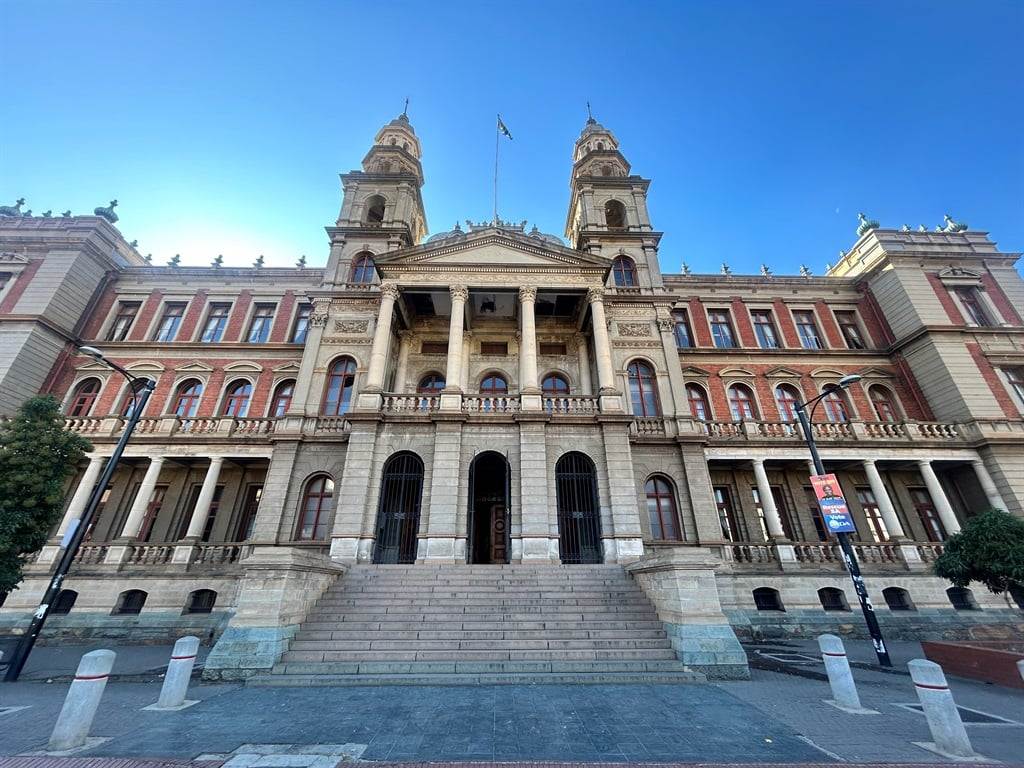
The Rivonia Trial remains one of the most defining moments in South Africa’s history. Taking place between October 1963 and June 1964 at the Palace of Justice in Pretoria, it was a legal battle that changed the trajectory of the nation. Senior leaders of the African National Congress (ANC) and other anti-apartheid activists were prosecuted and sentenced to life imprisonment. Now, 60 years later, reflections on this landmark trial reveal its profound influence on the democratic principles embedded in South Africa’s 30-year-old Constitution. This article delves into the trial’s historical context, its lasting impact on the struggle against apartheid, and the enduring legacy that continues to shape South Africa’s legal and social landscape.
The Rivonia Trial unfolded during a turbulent era in South Africa’s history, marked by the oppressive apartheid regime that institutionalized racial segregation and discrimination. The trial derived its name from the Liliesleaf Farm in Rivonia, where key ANC leaders were arrested. These leaders were charged with sabotage and conspiracy to overthrow the apartheid government, reflecting the regime’s harsh crackdown on resistance movements.
Between October 1963 and June 1964, the trial captivated national and international attention. The defendants included prominent figures such as Nelson Mandela, Walter Sisulu, Govan Mbeki, and Ahmed Kathrada. Their courageous stand against apartheid policies, despite the risk of severe punishment, symbolized the resilience and determination of the liberation movement.
The trial’s setting at the Palace of Justice in Pretoria became a focal point for the struggle against apartheid. It highlighted the stark contrast between the oppressive legal system and the moral legitimacy of the anti-apartheid activists. The proceedings underscored the extent to which the apartheid state would go to maintain power, while simultaneously drawing global condemnation.
Nelson Mandela, the most recognizable figure among the defendants, used the trial as a platform to articulate the vision of a free and democratic South Africa. His famous ‘I am prepared to die’ speech during the trial underscored his commitment to justice and equality, inspiring millions worldwide and solidifying his legacy as a freedom fighter.
Ahmed Kathrada, a close ally of Mandela and a senior ANC leader, also played a significant role. His involvement in the trial and subsequent imprisonment exemplified the sacrifices made by many activists who endured harsh conditions for the cause of liberation. The Ahmed Kathrada Foundation continues to commemorate the trial’s 60th anniversary, preserving its memory for future generations.
Other defendants such as Walter Sisulu and Govan Mbeki were instrumental in organizing the ANC’s underground operations. Their strategic leadership was crucial in sustaining the anti-apartheid movement during one of its most challenging periods. Their trial and sentencing were pivotal in galvanizing national and international support against apartheid.
Legally, the Rivonia Trial was a watershed moment that exposed the apartheid government’s use of the judiciary as a tool of political repression. The charges of sabotage carried the death penalty, yet the court’s decision to impose life sentences instead reflected a complex interplay between law and politics.
Politically, the trial intensified resistance both within South Africa and globally. It drew widespread condemnation and galvanized international anti-apartheid movements, leading to increased sanctions and diplomatic pressure on the South African government. The trial highlighted the moral bankruptcy of apartheid and strengthened calls for systemic change.
The trial also marked a turning point in the ANC’s strategy, shifting from peaceful protest to armed resistance via its military wing, Umkhonto we Sizwe. This evolution underscored the deep frustration with the apartheid regime’s intransigence and the determination to achieve liberation by any means necessary.
South Africa’s Constitution, adopted in 1996, is often hailed as one of the most progressive in the world. The principles of equality, human dignity, and freedom embedded within it can be traced back to the ideals championed during the Rivonia Trial. The defendants’ unwavering commitment to justice laid the groundwork for a constitutional democracy.
The trial’s legacy is evident in the Bill of Rights, which guarantees fundamental freedoms regardless of race, gender, or background. This commitment to human rights reflects the lessons learned from the apartheid era’s systemic abuses and the sacrifices made by those who fought against it.
Furthermore, the Constitution’s emphasis on reconciliation and nation-building echoes the spirit of unity and forgiveness embodied by leaders like Nelson Mandela. Their vision for a non-racial, inclusive society continues to inspire constitutional governance and democratic practices in South Africa.
The Ahmed Kathrada Foundation has played a pivotal role in commemorating the 60th anniversary of the Rivonia Trial. Through educational programs, public discussions, and archival preservation, the foundation ensures that the trial’s history remains accessible and relevant to contemporary audiences.
By marking this anniversary, the foundation encourages reflection on the ongoing challenges facing South Africa, including inequality, social justice, and the protection of democratic values. It serves as a reminder that the struggle initiated during the trial is far from over and requires continued vigilance.
The foundation’s initiatives also foster dialogue between generations, connecting the sacrifices of the past with the aspirations of the future. This intergenerational engagement is vital for sustaining the democratic gains achieved since the end of apartheid.
Internationally, the Rivonia Trial drew significant attention to the injustices of apartheid, mobilizing support for sanctions and boycotts against South Africa. The trial became a symbol of resistance to racial oppression and inspired human rights movements worldwide.
Countries and organizations used the trial as evidence to justify diplomatic isolation of the apartheid regime. This global pressure contributed to the eventual dismantling of apartheid and the establishment of a democratic South Africa.
Moreover, the trial highlighted the power of legal activism and moral courage in confronting oppressive systems. It set a precedent for how trials can transcend judicial outcomes to influence political change and human rights advocacy globally.
Reflecting on the Rivonia Trial 60 years later offers valuable lessons for contemporary South Africa. It underscores the importance of upholding constitutional values in the face of political and social challenges. The trial reminds citizens to remain vigilant against threats to democracy and human rights.
The trial also highlights the necessity of leadership grounded in integrity, courage, and a commitment to justice. As South Africa navigates issues such as corruption, inequality, and social unrest, the example set by the Rivonia defendants serves as a moral compass.
Lastly, the trial’s legacy encourages ongoing dialogue about reconciliation and nation-building. It prompts South Africans to confront their history honestly while working collectively towards a more inclusive and equitable future.
Media coverage and public commemorations have played a significant role in keeping the memory of the Rivonia Trial alive. Documentaries, films, and news features have brought the trial’s story to new generations, highlighting its relevance and inspiring civic engagement.
Public spaces such as the Palace of Justice serve as living monuments to the trial’s significance. Guided tours and exhibitions offer educational opportunities that foster a deeper understanding of South Africa’s liberation history.
The trial’s story continues to resonate in popular culture and academic discourse, ensuring that its lessons remain embedded in the national consciousness. This collective remembrance is essential for preserving the values enshrined in South Africa’s Constitution.
Sixty years after the Rivonia Trial, its impact continues to reverberate throughout South Africa’s legal, political, and social spheres. The trial not only marked a turning point in the struggle against apartheid but also laid the ethical and ideological foundations for the nation’s progressive Constitution. As South Africa celebrates three decades of constitutional democracy, reflecting on the Rivonia Trial reminds citizens of the sacrifices made to achieve freedom and the ongoing responsibility to uphold the values of justice, equality, and human dignity. The trial’s legacy is a powerful testament to the resilience of the human spirit and the enduring quest for a just society.
Source: news24.com. Originally reported there; this article has been adapted for Tamfitronics readers.
Keep reading
Top Stories
NEWYou can now listen to Fox News articles! Researchers recently uncovered a long-lost medieval convent in an unusual location in Denmark: a soccer field…
News
By Engr. Tamunofiniarisa BrownReading Time: 6 Minutes The conflict between Russia and Ukraine is often framed in the media as a simple battle between…
TAMFIS NIG LTD
Electrical and instrumentation engineering, bid preparation and consulting, IT and software.