News
RUSSIA versus NATO and BRICS vs. NATO Military SWOT
Recall that Poland’s Minister Sikorski’s core claim is partially supported by the numbers, but the framing “quite quickly” and “without the U.S.” does not…
TAMFIS NIG LTDRC 8067447CAC ACTIVEFinima, Bonny Island, Rivers State

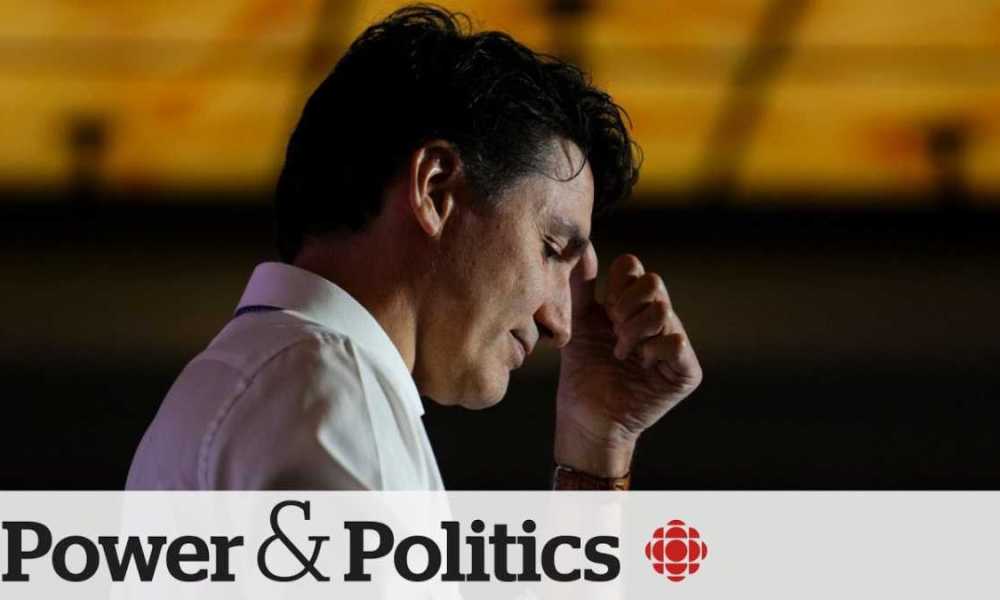
The Toronto-St. Paul’s byelection, held to fill the vacancy left by former MP Carolyn Bennett’s retirement, was more than a routine electoral event. It emerged as a critical litmus test for Prime Minister Justin Trudeau’s Liberal government amid growing political challenges. With a crowded field of candidates and heightened voter engagement, the election results provided valuable insights into the electorate’s mood and the future trajectory of Canada’s federal politics. This article delves deeply into the byelection’s context, key players, campaign dynamics, and the broader implications for Trudeau’s leadership and the Liberal Party’s standing.
Toronto-St. Paul’s has historically been a Liberal stronghold, with former MP Carolyn Bennett holding the seat since 1997. Her retirement prompted a competitive byelection, drawing national attention as a gauge of public support for the governing Liberals. The riding’s diverse and politically engaged electorate made the contest especially significant in assessing Trudeau’s appeal in urban centers.
This byelection was not only about filling a parliamentary seat but also about measuring the Liberals’ political capital amid rising challenges from the Conservatives and other parties. The outcome was expected to influence party strategies heading into the next general election, particularly in urban ridings where voter sentiments are rapidly evolving.
Moreover, the byelection’s timing amid ongoing national debates on economic recovery, healthcare, and electoral reform heightened its importance. Analysts and political commentators viewed the results as a barometer for Trudeau’s leadership and the government’s ability to maintain its parliamentary majority.
The Liberal Party nominated Leslie Church, a seasoned community leader and former school trustee, aiming to continue the progressive legacy established by Carolyn Bennett. Church’s campaign emphasized local issues such as affordable housing, education, and environmental sustainability, seeking to resonate with the riding’s diverse electorate.
The Conservative candidate, Don Stewart, backed by key figures like Jenny Byrne, a close advisor to Conservative leader Pierre Poilievre, ran a vigorous campaign focused on economic stewardship and public safety. Stewart aimed to capitalize on growing conservative momentum in urban areas and challenge the Liberals’ dominance in the riding.
Other notable candidates included Amrit Parhar from the New Democratic Party (NDP) and Christian Cullis representing the Green Party. Both candidates highlighted progressive platforms addressing climate change, social justice, and electoral reform, adding complexity and competition to the electoral contest.
The byelection featured a notably large slate of candidates, including several advocating for proportional representation as an alternative to Canada’s traditional first-past-the-post system. This brought electoral reform debates to the forefront, energizing certain voter segments and sparking discussions on democratic representation.
Election day was not without logistical issues. An error in polling location information affected a group of voters, leading to confusion and complaints. Elections Canada responded promptly to address the problem, but the incident underscored challenges in managing complex urban elections with high voter turnout.
Despite these hurdles, voter engagement remained robust, reflecting the electorate’s keen interest in the byelection’s outcome. The turnout and voting patterns were closely monitored as indicators of public sentiment toward the governing party and opposition.
The byelection results saw Leslie Church secure the seat for the Liberals, albeit with a narrower margin than previous elections. This outcome suggested both the resilience of Liberal support in Toronto-St. Paul’s and the rising challenge posed by the Conservatives and other parties.
Don Stewart’s strong showing energized Conservative supporters and indicated potential gains in similar urban ridings like Eglinton-Lawrence and Willowdale, where the party has been working to build momentum. Stewart’s campaign team remained optimistic despite the loss, viewing the results as a foundation for future contests.
Political analysts, including Éric Grenier and David Coletto from Abacus Data, emphasized the byelection’s broader implications. They noted that even a slim Liberal victory highlighted vulnerabilities within Trudeau’s base and could presage tougher battles ahead for the Liberals nationally.
The byelection outcome has intensified scrutiny of Prime Minister Justin Trudeau’s leadership and the Liberal Party’s strategic direction. While maintaining the seat was a relief, the reduced margin signaled that the party cannot take urban support for granted, especially amid shifting voter priorities and emerging political narratives.
Trudeau and senior Liberal figures, including Deputy Prime Minister Chrystia Freeland, have ramped up engagement efforts in Toronto-St. Paul’s and similar ridings. Their focus on community outreach and policy responsiveness reflects an understanding that maintaining voter confidence requires sustained, localized attention.
The Liberal Party is also reviewing its messaging and policy platforms in response to the byelection feedback. Emphasizing economic recovery, healthcare improvements, and progressive social policies will be critical to safeguarding their position in future elections, especially as opposition parties sharpen their campaigns.
The Conservative Party’s strong performance in the byelection demonstrated its renewed competitiveness in urban areas traditionally dominated by Liberals. With strategic endorsements and targeted campaigning, the Conservatives are positioning themselves as a viable alternative, capitalizing on voter concerns about inflation, public safety, and government accountability.
The NDP and Green Party, while not securing the seat, contributed to broadening the political discourse. Their focus on climate action, electoral reform, and social equity appealed to progressive voters seeking alternatives to the two dominant parties, potentially influencing Liberal policy recalibrations.
Emerging political trends, such as increased advocacy for proportional representation and greater youth engagement, are reshaping Canada’s electoral landscape. The byelection highlighted the electorate’s appetite for more inclusive and representative governance models, which may shape future electoral reforms.
Experts like David Cochrane and Éric Grenier have underscored the byelection’s significance as a snapshot of voter sentiment in an evolving political climate. Their analyses suggest that while the Liberals retain core support, there is growing volatility and openness to alternative voices, especially among younger and urban voters.
Data from Abacus Data revealed nuanced voter motivations, including concerns about economic stability, healthcare access, and environmental policies. These factors influenced voting behavior and will likely continue to shape party platforms and campaign priorities.
The byelection also highlighted the importance of ground-level campaigning and community engagement. Candidates who effectively connected with constituents’ daily concerns tended to perform better, emphasizing the need for personalized, issue-driven political strategies.
The Toronto-St. Paul’s byelection results serve as a bellwether for Canada’s broader political landscape. They indicate that while the Liberal Party maintains a foothold, it faces intensified competition and must adapt to shifting voter expectations to secure future electoral success.
Opposition parties, particularly the Conservatives, are encouraged by their performance and are likely to intensify efforts in urban ridings. This competitive environment sets the stage for a dynamic and unpredictable general election, where voter turnout and issue salience will be decisive.
Ultimately, the byelection underscores the evolving nature of Canadian democracy, highlighting demands for electoral reform, increased representation, and responsive governance. How parties respond to these challenges will define Canada’s political trajectory in the coming years.
The Toronto-St. Paul’s byelection offered crucial insights into the current political climate in Canada, particularly the challenges and opportunities facing Prime Minister Justin Trudeau’s Liberal Party. While the Liberals managed to retain the seat, the reduced margin of victory and strong opposition performances signal a more competitive and dynamic electoral landscape. The byelection underscored the importance of addressing voter concerns on economic, social, and democratic fronts to maintain public trust. As political parties recalibrate their strategies, the lessons from this contest will resonate in upcoming elections, shaping the future of Canadian governance and democracy.
Originally reported by timesng.com. Adapted for our readers.
Keep reading
News
Recall that Poland’s Minister Sikorski’s core claim is partially supported by the numbers, but the framing “quite quickly” and “without the U.S.” does not…
Politics
In August 2025, Zespri, the world’s largest marketer of kiwifruit, announced that the European Commission had approved what it described as the first health…
News
By Engr. Tamunofiniarisa BrownReading Time: 6 Minutes The conflict between Russia and Ukraine is often framed in the media as a simple battle between…
TAMFIS NIG LTD
Electrical and instrumentation engineering, bid preparation and consulting, IT and software.