The Hidden Culprits: 10 Foods That Are No longer as Lawful for You as You Mediate
In the pursuit of a healthier lifestyle, many of us gravitate toward foods labeled as nutritious or beneficial. However, appearances can be deceiving. Numerous foods marketed as healthy are laden with hidden sugars, unhealthy fats, or additives that undermine our wellness goals. These hidden culprits can stealthily impact metabolism, weight management, and overall health. This article uncovers ten foods that are no longer as beneficial as you might think, backed by scientific insights and expert recommendations, helping you make informed dietary choices.
1. Flavored Yogurt: Sweetness That Masks the Truth
Yogurt is widely celebrated for its probiotics and calcium content, essential for gut health and bone strength. However, flavored yogurts often contain excessive added sugars that can rival or exceed those found in desserts. This added sugar not only increases calorie intake but also contributes to blood sugar spikes, undermining the benefits of natural yogurt.
A study published by the Journal of the Academy of Nutrition and Dietetics emphasizes the importance of scrutinizing sugar content in flavored yogurts. Many commercial varieties contain hidden sweeteners, artificial flavors, and colorings, detracting from their nutritional value. Opting for plain yogurt combined with fresh fruit provides a more wholesome alternative without unnecessary sugars.
Moreover, the presence of added sugars in flavored yogurts can contribute to inflammation and insulin resistance over time. Consumers should check nutrition labels carefully and be wary of claims like 'low-fat' or 'light,' which often accompany increased sugar content to enhance taste.
2. Granola: The Sugar-Laden Breakfast Favorite
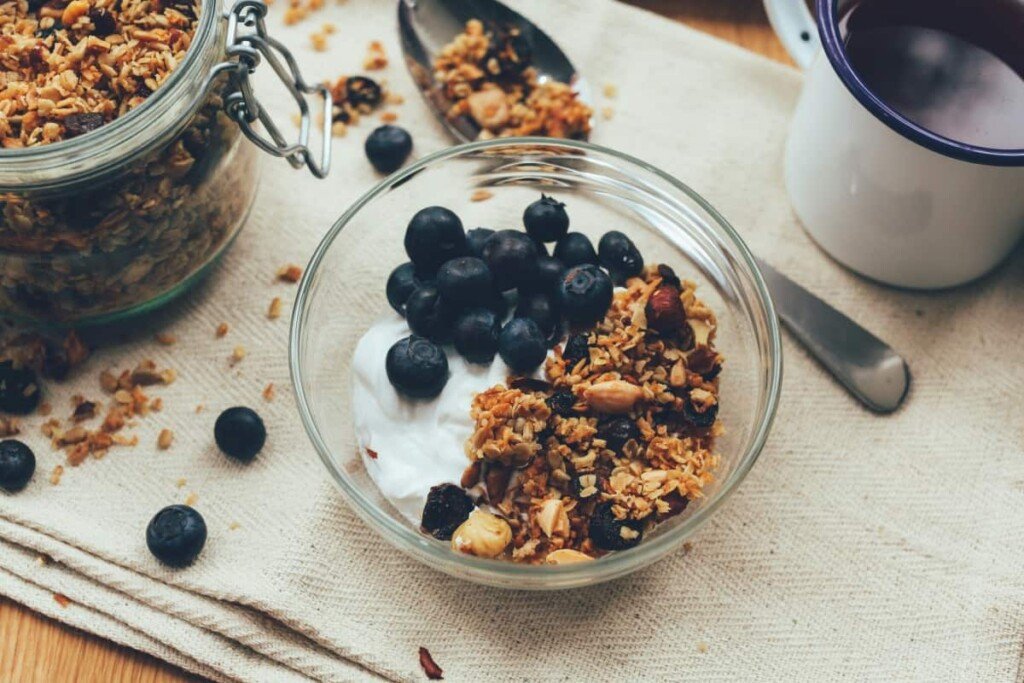
Granola is often marketed as a wholesome breakfast or snack option, packed with oats, nuts, and seeds. Despite its healthy reputation, many store-bought granolas contain high amounts of added sugars and fats. Some servings can contain sugar levels comparable to or exceeding those found in doughnuts, which can sabotage weight management efforts.
Research published in Public Health Nutrition highlights that the sugar and calorie content in commercial granolas varies widely, with some brands including syrups, honey, and other sweeteners to enhance flavor and texture. This can lead to excessive calorie consumption if portions are not carefully controlled.
For a healthier approach, consider making homemade granola with minimal sweeteners and wholesome ingredients. This allows control over sugar levels and the inclusion of nutrient-dense components like nuts, seeds, and dried fruits, supporting sustained energy without blood sugar spikes.
3. Bottled Smoothies: A Sugar Bomb in Disguise
Bottled smoothies are often perceived as convenient, nutrient-packed choices. However, many commercial smoothies contain a high concentration of fruit sugars and lack sufficient fiber to slow sugar absorption. This can cause rapid blood sugar spikes and crashes, counterproductive to sustained energy levels.
Nutrition experts caution that these beverages often omit protein and healthy fats, which are essential for balanced nutrition and satiety. Additionally, some bottled smoothies include added sugars or fruit juice concentrates, further increasing their glycemic impact.
Preparing smoothies at home with a balanced mix of vegetables, fresh fruits, protein sources like Greek yogurt or protein powder, and healthy fats such as avocado or nut butter is a superior choice. This approach enhances fiber content, stabilizes blood sugar, and supports overall nutritional needs.
4. Diet Soda: The Artificial Sweetener Dilemma
Diet sodas are commonly chosen as zero-calorie alternatives to sugary beverages. While they eliminate sugar, they replace it with artificial sweeteners that may carry their own health risks. Studies, including one published in the Journal of the American College of Cardiology, have linked artificial sweeteners to increased risks of metabolic syndrome and cardiovascular diseases.
Artificial sweeteners can disrupt gut microbiota, alter insulin responses, and potentially increase cravings for sweet foods, leading to overeating. This paradoxical effect can hinder weight loss and metabolic health despite the absence of calories.
For optimal health, it is advisable to limit consumption of diet sodas and opt for water, herbal teas, or naturally flavored seltzers. These options support hydration without introducing substances that may negatively impact metabolism or cardiovascular health.
5. Agave Nectar: A Natural Sweetener with Hidden Risks
Agave nectar is often promoted as a natural and healthier alternative to refined sugar due to its low glycemic index. However, it contains a high proportion of fructose, which can be harmful when consumed excessively. High fructose intake is associated with liver stress, insulin resistance, and increased fat accumulation.
Scientific comparisons suggest that agave nectar’s fructose content may be even higher than that of table sugar, raising concerns about its metabolic impact. Excessive fructose consumption can lead to non-alcoholic fatty liver disease and other metabolic disturbances.
To minimize health risks, it’s best to limit agave nectar use and opt for natural sweeteners with lower fructose content such as raw honey or pure maple syrup, used sparingly. Reducing overall added sugar intake remains key to maintaining metabolic health.
6. Vegetable Chips: Not Always a Healthy Swap
Vegetable chips are frequently marketed as a nutritious alternative to traditional potato chips, emphasizing the inclusion of vegetables. However, many commercial vegetable chips are heavily processed, containing added salt, unhealthy fats, and calories that negate their potential benefits.
The frying or baking process used in producing these chips can degrade nutrients and introduce trans fats or saturated fats, contributing to cardiovascular risk. High sodium content also poses concerns for blood pressure management and overall heart health.
For a healthier snack, consider preparing vegetable chips at home using minimal oil and seasoning, or choose fresh vegetables with hummus or other nutritious dips. This approach preserves the natural fiber and nutrient content while avoiding excessive additives.
7. Gluten-Free Packaged Foods: Not Inherently Healthier
Gluten-free packaged foods have surged in popularity, often perceived as healthier options even for those without gluten sensitivities or celiac disease. However, many gluten-free products compensate for the absence of gluten by adding sugars, fats, and other additives to improve taste and texture.
These modifications can result in gluten-free snacks and baked goods that are higher in calories, sugars, and unhealthy fats compared to their gluten-containing counterparts. This can undermine weight control and overall health if consumed excessively.
Individuals without specific gluten-related disorders should focus on whole, minimally processed foods rather than relying on gluten-free packaged products. Reading nutrition labels carefully and prioritizing nutrient-dense options remains essential.
8. Fat-Free Salad Dressings: Missing the Benefits of Healthy Fats
Fat-free salad dressings are often chosen to reduce calorie intake, but removing fat can lead to compensatory additions of sugars, salts, and preservatives to maintain flavor. This can transform a seemingly healthy choice into one that is less beneficial.
Moreover, many vitamins in vegetables, such as vitamins A, D, E, and K, are fat-soluble and require dietary fats for proper absorption. Consuming fat-free dressings may limit the body’s ability to absorb these essential nutrients effectively.
Opting for dressings made with healthy fats like olive oil or avocado oil can enhance flavor and nutrient absorption. Preparing homemade dressings with simple ingredients also reduces exposure to additives and excessive sugars.
9. Bran Muffins: A Sweet Breakfast Trap
Bran muffins are often viewed as a nutritious breakfast option due to their fiber content. However, many commercially prepared bran muffins contain high levels of added sugars and calories, comparable to those found in cakes or pastries.
The inclusion of refined flours, syrups, and sweeteners in these muffins can lead to rapid blood sugar spikes and contribute to weight gain when consumed regularly. This undermines the intended health benefits of fiber-rich bran.
For a better alternative, consider baking homemade bran muffins with whole grains, natural sweeteners, and added nuts or seeds. This allows control over sugar and fat content while preserving the beneficial fiber.
10. Sports Drinks: Not Always Necessary for Everyone
Sports drinks are formulated to replenish electrolytes and fluids lost during intense physical activity. While beneficial for athletes engaged in prolonged, vigorous exercise, these drinks often contain high amounts of sugars and calories that may be unnecessary for the average person.
Regular consumption of sports drinks without corresponding intense activity can contribute to excess calorie intake and blood sugar fluctuations. Additionally, the artificial colors and preservatives in some brands raise further health concerns.
For most individuals, water remains the best choice for hydration. When electrolyte replenishment is needed, natural options like coconut water or balanced homemade drinks can offer benefits without excessive sugars or additives.
Conclusion
Navigating the complex landscape of modern nutrition requires vigilance and informed choices. While many foods are marketed as beneficial, hidden sugars, unhealthy fats, and additives can turn them into hidden culprits that sabotage health goals. By understanding the true composition of these foods and opting for whole, minimally processed alternatives, you can safeguard your well-being and make strides toward a healthier lifestyle. Remember, the key to lasting health lies not only in what you avoid but also in embracing nutrient-dense, balanced foods that nourish your body effectively.
Obi says his wife funds her own purchases. This analysis separates his explanation, unverified handbag prices and the evidence needed to assess public spending.
Omotola’s podcast remarks raise practical questions about income, reputation and values. Here is how professionals can assess offers without inventing claims about missed earnings.