
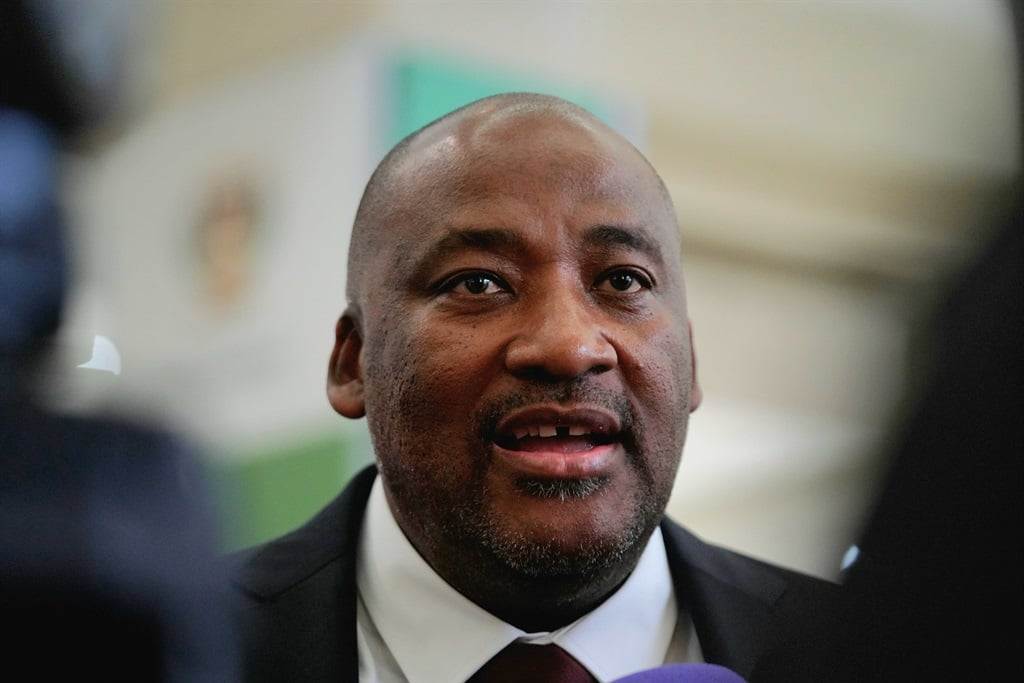
As South Africa embarks on a new parliamentary chapter, coalition negotiations have taken center stage. Gayton McKenzie, leader of the Patriotic Alliance (PA), has voiced a clear message: the focus must be on the nation's welfare rather than personal political gain. Speaking on the sidelines of the inaugural sitting of the seventh Parliament in Cape Town, McKenzie highlighted the importance of unity and collaboration in forming a government that serves all South Africans. This article explores McKenzie's stance, the complexities of coalition-building, and the implications for South Africa's political landscape.
The Political Landscape After the Seventh Parliament's First Sitting
South Africa's seventh Parliament convened amid heightened political activity as parties negotiate coalition possibilities to establish a stable government. The African National Congress (ANC) remains the dominant force but lacks an outright majority, necessitating alliances with smaller parties like the Patriotic Alliance (PA). These negotiations are critical to ensuring governance continuity and addressing pressing national issues.
The first sitting marked the formal start of these discussions, with various party leaders engaging in behind-the-scenes talks to secure partnerships. The PA, under Gayton McKenzie's leadership, has positioned itself as a potential kingmaker due to its strategic support base and willingness to collaborate.
This evolving political environment demands careful balancing of interests, with parties needing to prioritize national unity over individual ambitions to foster a government capable of delivering on its promises.
Gayton McKenzie's Emphasis on National Interest
Gayton McKenzie has consistently stressed that the coalition-building process should transcend personal or party ambitions. In his recent statements, he reiterated that the focus must be on serving the nation’s best interests rather than jockeying for ministerial positions.
This perspective reflects McKenzie's broader political philosophy, which advocates for pragmatic solutions to South Africa’s socio-economic challenges. By prioritizing national interests, McKenzie aims to foster a collaborative environment where all parties work toward common goals.
His stance also serves as a call to other political leaders to adopt a similar approach, emphasizing accountability, service delivery, and inclusive governance over political patronage.
The Role of the Patriotic Alliance in Coalition Negotiations
The Patriotic Alliance, though smaller compared to the ANC and DA, holds significant influence in coalition talks due to its strategic voter base. The party’s willingness to negotiate in good faith positions it as a potential pivotal player in government formation.
McKenzie’s leadership style, characterized by direct communication and a focus on grassroots issues, resonates with many voters disillusioned by mainstream politics. This credibility enhances the PA’s bargaining power in coalition discussions.
By aligning with larger parties while maintaining its distinct identity, the PA seeks to leverage its position to influence policy decisions that directly impact marginalized communities and promote socio-economic upliftment.
Waiting on ANC President Cyril Ramaphosa’s Decision
McKenzie has publicly stated that he will await ANC president Cyril Ramaphosa’s decision regarding any ministerial appointment. This approach demonstrates political patience and respect for established leadership protocols within the coalition framework.
Rather than aggressively pursuing specific government roles, McKenzie’s stance underscores a strategic patience that prioritizes the coalition’s stability and effectiveness over immediate personal gain.
This waiting period also allows McKenzie to assess the broader coalition dynamics and ensures that any role accepted aligns with the PA’s core values and commitments to its constituents.
Challenges in Forming a Government of National Unity
Forming a government of national unity in South Africa involves navigating complex political interests, historical tensions, and diverse policy priorities. Balancing these factors requires compromise and a shared vision for the country’s future.
Coalition partners must reconcile differences in ideology and governance styles while ensuring that the government can function effectively and deliver on critical issues such as economic growth, unemployment, and social inequality.
McKenzie’s insistence on prioritizing the nation over ministerial positions is a crucial element in overcoming these challenges and fostering a collaborative political culture conducive to sustainable governance.
Implications for South Africa’s Governance and Stability
The formation of a coalition government that truly prioritizes national interests could enhance political stability and restore public confidence in democratic institutions. This stability is essential for implementing long-term reforms and attracting investment.
McKenzie’s call for putting the nation first signals a potential shift towards more responsible and accountable leadership, which could positively influence governance practices across party lines.
Successful coalition governance may also set a precedent for future political cooperation in South Africa, encouraging parties to work together constructively rather than engaging in divisive power struggles.
Public and Political Reactions to McKenzie’s Position
Reactions to McKenzie’s emphasis on national unity have been mixed. Supporters praise his focus on collective progress and view it as a refreshing departure from traditional political rivalries centered on power and positions.
Critics, however, remain skeptical about the feasibility of setting aside ministerial ambitions entirely, given the competitive nature of South African politics and the high stakes involved in coalition negotiations.
Nonetheless, McKenzie’s public commitment to a nation-first approach challenges other political actors to reconsider their priorities and underscores the importance of transparent and principled leadership in the current political climate.
Looking Ahead: What This Means for South Africa’s Future
As coalition talks continue, the emphasis on national interest over individual gain offers hope for a more united and effective government. This approach could enable South Africa to tackle its most pressing challenges collaboratively.
McKenzie’s leadership and the PA’s role in these negotiations highlight the growing importance of smaller parties in shaping the country’s political direction, reflecting a more pluralistic and participatory democracy.
Ultimately, the success of this coalition government will depend on the willingness of all parties to embrace compromise, accountability, and a shared commitment to the nation’s prosperity.
Conclusion
Gayton McKenzie’s insistence that coalition negotiations focus on the nation rather than ministerial positions provides a much-needed perspective in South Africa’s complex political environment. His approach emphasizes collaboration, accountability, and a commitment to serving the public good, which are essential for building a stable and effective government. As the Patriotic Alliance plays a pivotal role in shaping the coalition, the success of these talks could signal a new era of unity and progress for South Africa. Ultimately, the country’s future depends on leaders who prioritize collective well-being over personal ambition, making McKenzie’s message both timely and critical.