Top Stories
Discovery beneath soccer field reveals massive medieval convent lost for centuries
NEWYou can now listen to Fox News articles! Researchers recently uncovered a long-lost medieval convent in an unusual location in Denmark: a soccer field…
TAMFIS NIG LTDRC 8067447CAC ACTIVEFinima, Bonny Island, Rivers State

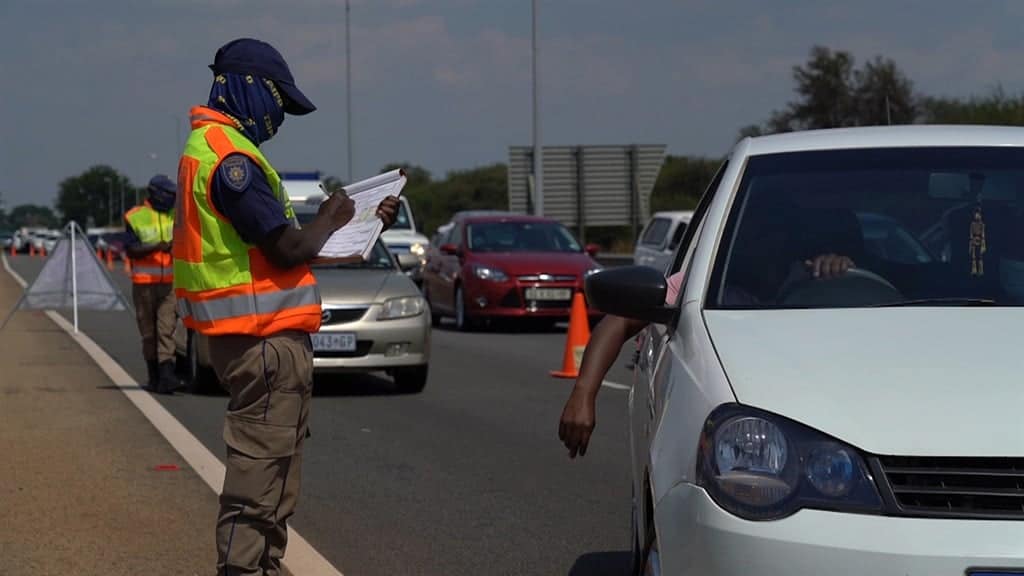
The Easter weekend is traditionally one of the busiest travel periods in South Africa, with many citizens taking advantage of the long holiday to visit family, attend events, or embark on leisure trips. This surge in movement not only affects road traffic but also results in a significant increase in online activity on news and traffic-related websites. In anticipation of this, authorities and traffic management organizations are placing themselves on high alert, aiming to mitigate risks associated with reckless driving, alcohol-impaired motorists, and vehicle safety. This article explores the measures being taken, the challenges expected, and how South Africans can contribute to a safer Easter weekend both on the roads and online.
The Easter weekend marks a peak period for both physical and digital traffic across South Africa. Roads become congested as millions of people travel to various destinations, while websites related to news, traffic updates, and emergency services experience a significant uptick in user visits. This dual surge requires coordinated efforts from authorities to manage both the physical safety of travelers and the smooth functioning of digital platforms that provide critical information.
Increased website traffic during this period is largely driven by commuters seeking real-time updates on road conditions, accident reports, and safety advisories. News24, as one of South Africa’s leading news portals, anticipates a sharp rise in visitors looking for timely and reliable information. This spike in demand underscores the importance of maintaining robust online infrastructure alongside traditional traffic management strategies.
Authorities recognize that managing this dual influx is vital to minimizing disruptions and ensuring public safety. They are adopting a multifaceted approach that involves deploying more personnel on the ground, enhancing digital communication channels, and leveraging technology to monitor and respond to incidents swiftly.
According to Simon Zwane, spokesperson for the Road Traffic Management Corporation (RTMC), the agency has identified three primary areas of concern for the Easter period: collisions involving pedestrians, vehicle rollovers, and hit-and-run incidents. These types of accidents contribute significantly to the high fatality rates commonly seen during holiday weekends.
Alcohol consumption and speeding remain persistent contributors to these dangerous incidents. The RTMC emphasizes that many crashes are preventable and often linked to poor decision-making behind the wheel, such as driving under the influence or exceeding speed limits. Ensuring roadworthy vehicles is also a critical factor, as mechanical failures can exacerbate accident risks.
To address these challenges, law enforcement agencies will prioritize checkpoints, increased patrols, and targeted enforcement campaigns aimed at identifying intoxicated drivers and speeding offenders. These measures are designed not only to catch offenders but also to act as a deterrent to reckless behavior on the roads.
In preparation for the Easter weekend, traffic authorities have intensified enforcement operations, deploying additional officers at strategic locations such as highways, busy intersections, and known accident hotspots. These deployments aim to provide a visible presence that promotes compliance with traffic laws and improves road safety.
Safety campaigns are also being ramped up across multiple platforms, including social media, radio, and television. These campaigns focus on educating the public about the dangers of impaired and reckless driving, the importance of seatbelt use, and the need to adhere to speed limits. Messaging is tailored to resonate with diverse demographics, particularly young drivers who statistically represent a high risk group.
Collaboration between government bodies, non-governmental organizations, and private sector partners enhances the reach and impact of these campaigns. By combining resources and expertise, stakeholders strive to foster a culture of responsible driving and community vigilance during the holiday period.
Advancements in technology have enabled traffic authorities to implement real-time monitoring systems that track road conditions and traffic flow. CCTV cameras, speed detection devices, and automated number plate recognition systems provide critical data that supports rapid response to incidents and helps prevent secondary accidents.
Mobile applications and online platforms, including those operated by News24, complement these efforts by offering commuters instant access to traffic updates, accident reports, and alternative route suggestions. The integration of these digital tools into everyday travel planning empowers road users to make informed decisions and avoid congested or dangerous areas.
Furthermore, emergency services are leveraging technology to coordinate medical and rescue operations more efficiently. Quick response times are essential to reducing fatalities and serious injuries, especially in high-risk scenarios such as rollovers or hit-and-run collisions.
Despite concerted efforts, authorities encounter several challenges during the Easter weekend. The volume of travelers often overwhelms road infrastructure, leading to congestion that complicates enforcement and emergency response. Limited resources and personnel can also strain operational capacity during peak times.
Another significant challenge is public compliance. While enforcement is critical, the success of safety initiatives ultimately depends on the willingness of drivers to adhere to regulations and practice responsible behavior. Overcoming risky habits such as drunk driving and speeding requires sustained education and cultural change.
Additionally, unpredictable weather conditions and vehicle breakdowns add layers of complexity to traffic management. Authorities must remain adaptable and prepared to respond to a range of scenarios to maintain safety and order on the roads.
Public cooperation is paramount in achieving a safe and incident-free Easter holiday. Drivers are urged to plan their journeys carefully, avoid alcohol consumption before driving, and obey all traffic laws. Simple actions such as wearing seatbelts and maintaining safe following distances can significantly reduce accident risks.
Pedestrians and cyclists also play a role by adhering to road safety rules, using designated crossings, and wearing visible clothing, especially during low-light conditions. Awareness and caution from all road users contribute to a safer environment for everyone.
Community involvement extends to reporting hazardous conditions, reckless driving, or accidents via available hotlines or digital platforms. This collective vigilance supports authorities in identifying and addressing issues promptly, enhancing overall road safety.
The increased movement during Easter weekend directly correlates with heightened activity on news and traffic websites. Portals like News24 experience spikes in visits as users seek up-to-date information on road conditions, accident reports, and safety advisories. This demand necessitates robust digital infrastructure to handle high traffic volumes without service interruptions.
Content teams work around the clock to provide timely and accurate updates, ensuring that commuters receive reliable information to assist in their travel decisions. Interactive features such as live traffic maps, user-submitted reports, and emergency alerts enhance the user experience and engagement.
Moreover, the digital surge presents an opportunity for authorities and media outlets to disseminate critical public safety messages widely. Coordinated communication strategies help amplify awareness campaigns and encourage responsible behavior among road users.
Looking beyond the Easter weekend, authorities are investing in long-term strategies to improve traffic safety and management. These include infrastructure upgrades, expanded use of technology, and ongoing public education initiatives aimed at reducing road fatalities year-round.
Data-driven approaches are increasingly prioritized, with authorities analyzing trends and incident reports to identify high-risk areas and tailor interventions accordingly. Collaboration with academic institutions and international bodies helps incorporate best practices and innovative solutions.
Ultimately, sustained commitment from government, civil society, and individuals is essential to create safer roads and communities. The lessons learned from high-traffic periods like Easter inform continuous improvements that benefit all South Africans.
As South Africans prepare to celebrate the Easter weekend, the combined efforts of traffic authorities, law enforcement, media outlets, and the public are crucial in ensuring a safe and smooth holiday period. By focusing on high-risk behaviors, leveraging technology for real-time monitoring, and promoting responsible driving habits, authorities aim to reduce fatalities and accidents during this busy time. Meanwhile, increased website traffic highlights the growing importance of reliable digital platforms in supporting informed and safe travel decisions. Together, these measures represent a comprehensive approach to managing the challenges of Easter weekend travel, fostering a safer environment for all road users now and in the future.
Source: news24.com. Originally reported there; this article has been adapted for Tamfitronics readers.
Keep reading
Top Stories
NEWYou can now listen to Fox News articles! Researchers recently uncovered a long-lost medieval convent in an unusual location in Denmark: a soccer field…
News
By Engr. Tamunofiniarisa BrownReading Time: 6 Minutes The conflict between Russia and Ukraine is often framed in the media as a simple battle between…
TAMFIS NIG LTD
Electrical and instrumentation engineering, bid preparation and consulting, IT and software.