
Educational Resources
Benefits of AI in Software Development: Powering the Future of code
Artificial Intelligence (AI) is...
TAMFIS NIG LTDRC 8067447CAC ACTIVEFinima, Bonny Island, Rivers State

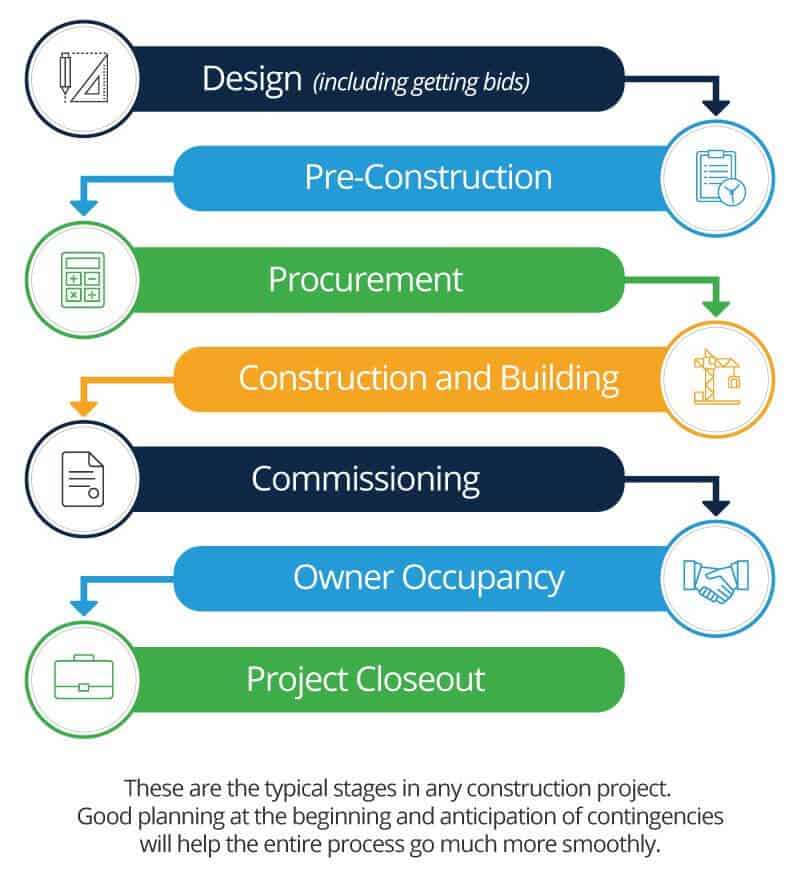
Construction project management is a specialized field requiring a unique blend of technical knowledge, leadership skills, and strategic planning. As projects grow in complexity and scale, professionals must equip themselves with the right tools and certifications to stay competitive. The PMP Certification Exam Prep Course, offering 35 PDU Contact Hours, is an invaluable resource for construction managers aiming to enhance their expertise and achieve Project Management Professional (PMP) certification. This article delves into the critical aspects of construction project management and how this prep course supports career advancement.
Construction project management involves planning, coordinating, and overseeing construction projects from inception to completion. It requires managing various resources, including labor, materials, equipment, and budgets, to ensure projects are delivered on time and within scope. The unique challenges of construction projects, such as site constraints, safety regulations, and stakeholder coordination, demand specialized management techniques.
A construction project manager must balance technical skills with soft skills like communication, negotiation, and conflict resolution. This blend ensures smooth collaboration among architects, engineers, contractors, and clients. Effective project management mitigates risks, controls costs, and maintains quality standards throughout the project lifecycle.
Given the dynamic nature of construction projects, managers must adapt to changing conditions and unforeseen issues promptly. This adaptability is crucial for minimizing delays and avoiding budget overruns, which are common pitfalls in construction management.
The Project Management Professional (PMP) certification is globally recognized and validates a professional’s ability to manage projects effectively. For construction managers, this certification enhances credibility and demonstrates proficiency in applying standardized project management practices within the construction industry.
Holding a PMP certification often leads to better job opportunities, higher salaries, and increased trust from clients and employers. It signifies that the professional understands critical project management processes such as risk management, quality control, and stakeholder engagement, which are vital in construction.
Moreover, the PMP credential encourages continuous learning and adherence to industry best practices. It equips construction managers with frameworks that improve project outcomes, reduce inefficiencies, and foster better communication across multidisciplinary teams.
The PMP Certification Exam Prep Course is designed to prepare candidates thoroughly for the PMP exam by covering the Project Management Institute’s (PMI) standards and guidelines. This particular course provides 35 PDU Contact Hours, fulfilling the prerequisite education requirement for exam eligibility.
The curriculum includes comprehensive modules on project integration, scope, schedule, cost, quality, resource, communication, risk, procurement, and stakeholder management. It blends theoretical knowledge with practical case studies relevant to construction projects, enhancing understanding and application.
Participants benefit from interactive learning tools such as quizzes, practice exams, and real-world scenarios that mimic construction project challenges. This approach reinforces exam readiness while also improving day-to-day project management skills.
Earning 35 PDU Contact Hours through the PMP prep course fulfills a mandatory requirement for exam candidates, ensuring they have foundational knowledge before attempting the PMP exam. This structured learning helps in grasping complex project management concepts systematically.
Beyond exam eligibility, these contact hours contribute to professional development units (PDUs), which are essential for maintaining the PMP credential through PMI’s Continuing Certification Requirements. Engaging in such educational activities keeps professionals updated with evolving project management trends.
The 35 contact hours also provide an opportunity to delve deeper into construction-specific project management challenges, enabling participants to apply best practices and improve project delivery efficiency. This knowledge is directly transferable to managing construction projects with greater confidence.
The PMP exam prep course is tailored to address the unique demands of the construction sector by incorporating industry-relevant examples and scenarios. This alignment ensures that learners can relate theoretical concepts to real-world construction challenges.
Topics such as risk management, cost control, and quality assurance are emphasized with a construction perspective, helping managers anticipate and mitigate common issues like delays, budget overruns, and compliance failures.
Additionally, the course promotes best practices for stakeholder communication and contract management, which are critical in construction projects involving multiple parties. This holistic approach prepares candidates not just for the exam but for effective project leadership.
To get the most out of the PMP Certification Exam Prep Course, learners should establish a consistent study schedule that allows for thorough review and practice. Breaking down the content into manageable segments prevents overwhelm and improves retention.
Active participation in quizzes and practice exams is vital. These tools help identify knowledge gaps and familiarize candidates with the exam format, boosting confidence and time management skills during the actual test.
Engaging with study groups or forums can also enhance understanding by providing diverse perspectives and peer support. Discussing construction-specific project management issues with fellow learners reinforces learning and application.
Earning PMP certification opens doors to advanced career opportunities in construction project management, including leadership roles on large-scale infrastructure, commercial, and residential projects. It signals to employers a commitment to excellence and proven competence.
Certified project managers often command higher salaries and enjoy greater job security due to their validated skill sets. They are preferred candidates for complex projects requiring meticulous planning and risk mitigation.
Furthermore, PMP certification fosters a global network of professionals, providing access to industry insights, mentorship, and job referrals. This connectivity supports sustained career growth and knowledge sharing in the construction sector.
Construction project management is a demanding yet rewarding discipline that benefits greatly from structured education and certification. The PMP Certification Exam Prep Course, offering 35 PDU Contact Hours, equips professionals with the essential knowledge and skills to excel in managing complex construction projects. By aligning theoretical principles with industry-specific applications, this course not only prepares candidates for the PMP exam but also enhances their practical project management capabilities. Investing in PMP certification paves the way for career advancement, greater professional recognition, and improved project outcomes in the construction sector.
Keep reading
Educational Resources
Artificial Intelligence (AI) is...
Business News
In today’s fast-paced and highly competitive business environment, generic solutions no longer suffice. ...
Educational Resources
Understand the concept of expertise through detailed definitions and insights. A must-read for those looking...
TAMFIS NIG LTD
Electrical and instrumentation engineering, bid preparation and consulting, IT and software.