Educational Resources
Top Instrumentation Software for Engineers: Your Essential Toolkit
For engineers and consultants w...
TAMFIS NIG LTDRC 8067447CAC ACTIVEFinima, Bonny Island, Rivers State

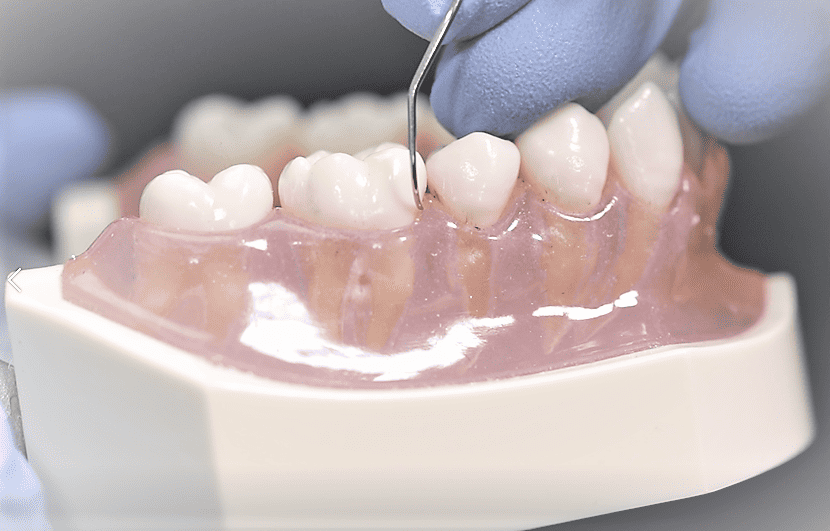
Dental hygiene instrumentation plays a critical role in maintaining oral health and preventing dental diseases. Mastery of the appropriate tools and techniques is essential for dental professionals to deliver optimal care. The Process Control & Instrumentation 16 Hour Masterclass offers an extensive learning experience designed to enhance practitioners’ skills in dental instrumentation, focusing on precision, process control, and effective application. This article delves into the key components of dental hygiene instrumentation, the significance of process control, and the comprehensive curriculum of the masterclass, providing insights for both novice and experienced dental professionals.
Dental hygiene instrumentation refers to the specialized tools and techniques used by dental professionals to clean teeth, remove plaque, tartar, and stains, and maintain oral health. These instruments are designed to facilitate various procedures, including scaling, root planing, and prophylaxis, which are essential in preventing periodontal diseases and promoting patient wellness.
Instruments used in dental hygiene range from manual scalers and curettes to ultrasonic devices and polishing tools. Each instrument serves a specific purpose and requires precise handling to avoid damage to tooth surfaces and soft tissues. Understanding the functionality and appropriate use of these instruments is fundamental for effective dental care.
Proper instrumentation not only improves treatment outcomes but also enhances patient comfort and safety. It requires a deep knowledge of dental anatomy, pathology, and the mechanical properties of instruments. Through continuous education and skill refinement, dental hygienists can maintain high standards of clinical practice.
Process control in dental hygiene instrumentation involves managing and standardizing the steps and techniques used during dental procedures to ensure consistency, safety, and efficacy. This approach minimizes errors and optimizes treatment quality by regulating instrument usage, sterilization, and procedural protocols.
Implementing process control allows dental professionals to monitor and adjust the application of instruments in real-time, ensuring that treatments are tailored to each patient’s specific needs. It also facilitates compliance with hygiene regulations and reduces the risk of cross-contamination, which is critical in a clinical setting.
The integration of process control principles into dental hygiene practice supports better clinical outcomes and patient satisfaction. It emphasizes a systematic approach to instrumentation, focusing on accuracy, repeatability, and the continuous improvement of dental care processes.
The Process Control & Instrumentation 16 Hour Masterclass is a comprehensive training program designed to equip dental professionals with advanced knowledge and practical skills in dental hygiene instrumentation. The curriculum is structured to cover fundamental concepts, hands-on techniques, and process optimization strategies.
Participants engage in detailed modules that address instrument selection, maintenance, and ergonomic handling, as well as advanced scaling and root planing methods. The masterclass also covers the principles of infection control, instrumentation calibration, and patient communication skills to enhance clinical effectiveness.
Through a combination of lectures, demonstrations, and interactive sessions, the masterclass fosters a deep understanding of both theoretical and practical aspects of dental instrumentation. This holistic approach ensures that attendees can apply process control techniques confidently in their daily practice.
The masterclass offers an in-depth exploration of essential dental instruments such as hand scalers, curettes, ultrasonic scalers, and polishing devices. Each instrument’s design, purpose, and application techniques are thoroughly examined to optimize their use in clinical settings.
Manual instruments like Gracey curettes and sickle scalers are analyzed for their specific roles in removing subgingival and supragingival deposits. The masterclass emphasizes correct angulation, pressure, and stroke techniques to maximize efficiency and minimize patient discomfort.
Ultrasonic instrumentation is also a key focus, highlighting the benefits of powered scalers in reducing treatment time and enhancing plaque removal. Participants learn about device settings, tip selection, and maintenance protocols to ensure safe and effective use.
Proper technique is paramount in dental hygiene instrumentation to achieve thorough cleaning while protecting tooth enamel and soft tissues. The masterclass trains participants in ergonomic positioning, controlled movements, and instrument adaptation to various dental surfaces.
Patient safety is integrated into every aspect of the training, with emphasis on infection control practices such as sterilization, barrier protection, and cross-contamination prevention. The curriculum reinforces adherence to industry standards and regulatory guidelines.
Additionally, the course addresses patient comfort strategies, including communication skills and pain management techniques, ensuring that procedures are not only effective but also patient-centered. This approach fosters trust and compliance, leading to better oral health outcomes.
The masterclass highlights methods for optimizing dental hygiene processes through continuous quality improvement and process control methodologies. Participants learn to identify inefficiencies and implement corrective measures to enhance clinical workflows.
Quality assurance protocols involve regular instrument inspection, calibration, and maintenance schedules to ensure consistent performance and longevity of dental tools. This systematic approach reduces downtime and prevents procedural errors.
By incorporating data-driven process control techniques, dental professionals can monitor treatment outcomes, patient feedback, and operational metrics. This evidence-based approach supports informed decision-making and elevates the standard of care.
Completing the Process Control & Instrumentation 16 Hour Masterclass equips dental professionals with advanced skills and knowledge that enhance clinical competence and confidence. The course content is designed to be applicable across various dental care settings, from private practices to community clinics.
Participants gain practical experience with a wide range of instruments and learn how to implement process control strategies that improve treatment efficacy and patient safety. This comprehensive training can lead to improved career opportunities and professional development.
Furthermore, the masterclass fosters a culture of continuous learning and quality improvement, encouraging dental hygienists to stay updated with evolving technologies and best practices. This commitment to excellence ultimately benefits patients through higher standards of oral healthcare.
Advancements in dental technology are continually shaping the future of dental hygiene instrumentation, with innovations such as digital instrumentation, laser therapy, and smart devices becoming increasingly prevalent. These technologies promise greater precision and efficiency in dental care.
Process control is evolving to incorporate artificial intelligence and data analytics, enabling personalized treatment plans and real-time monitoring of clinical procedures. Such developments enhance the ability to deliver tailored, evidence-based care.
Staying abreast of these trends is essential for dental professionals aiming to maintain a competitive edge and provide cutting-edge services. Masterclasses like the Process Control & Instrumentation 16 Hour program prepare practitioners to integrate these innovations into their practice effectively.
Dental hygiene instrumentation, combined with rigorous process control, forms the backbone of high-quality dental care. The Process Control & Instrumentation 16 Hour Masterclass provides dental professionals with the knowledge and skills necessary to master these critical aspects. By embracing advanced instrumentation techniques, adhering to strict safety protocols, and continuously optimizing clinical processes, practitioners can significantly improve patient outcomes and elevate standards within their practice. As the field evolves with technological advancements, ongoing education and adaptation remain essential for delivering exceptional oral healthcare.
Keep reading
Educational Resources
For engineers and consultants w...
Educational Resources
Modern industrial landscapes, from vast petrochemical complexes and power generation plants to intricate manufacturing facilities, are ...
Educational Resources
Instrumentation engineering has moved far beyond basic gauges and dials. Today’s systems combine sensors...
TAMFIS NIG LTD
Electrical and instrumentation engineering, bid preparation and consulting, IT and software.