
The global oil market is navigating a complex landscape marked by OPEC+ production cutbacks and heightened geopolitical tensions, particularly in the Middle East and Russia. These dynamics have contributed to a cautious yet steady movement in oil prices, reflecting the market’s sensitivity to supply disruptions and political uncertainties. This article delves into the various elements shaping the oil industry's current state, examining OPEC+ policies, geopolitical risks, market reactions, and economic factors influencing oil demand and pricing.
OPEC+ Production Cuts: Strategy and Impact
OPEC+ has reaffirmed its commitment to maintaining production cuts as a strategic measure to stabilize the global oil market. The coalition, which includes major oil-producing countries, continues to monitor supply levels closely to prevent oversupply that could depress prices. This policy has been instrumental in balancing market dynamics amid fluctuating demand and geopolitical uncertainties.
At a recent meeting, OPEC+ delegates indicated no immediate plans to alter their production quotas, with current cutbacks expected to remain effective at least until June. These measures are designed to support oil prices by curbing excess supply, thus providing producers with a more predictable revenue environment. The group's steadfast approach signals a collective effort to manage market volatility proactively.
The effectiveness of these production cuts is evident in the stabilization of benchmark prices such as Brent crude and West Texas Intermediate (WTI). Despite global economic challenges, OPEC+ policies have helped prevent significant price declines, offering a degree of confidence to investors and industry stakeholders. However, the sustainability of these cuts depends on evolving geopolitical and economic conditions.
Geopolitical Tensions in the Middle East and Russia
Geopolitical instability remains a key driver of oil market sentiment. In the Middle East, renewed threats from groups such as the Houthis against Saudi Arabia have heightened concerns over potential disruptions to critical supply routes and infrastructure. These tensions contribute to a risk premium embedded in oil prices, reflecting fears of supply interruptions.
Simultaneously, the ongoing conflict between Russia and Ukraine continues to impact oil markets. Attacks on Russian refineries and sanctions have constrained supply, while Russia’s responses influence global energy flows. This conflict has added complexity to the market, with traders closely watching developments that could affect production and export capabilities.
The interplay between these geopolitical hotspots underscores the fragility of global oil supply chains. Market participants remain vigilant, as even minor escalations can trigger price volatility. The current environment reinforces the importance of geopolitical risk assessment in forecasting oil market trends.
Market Reactions and Price Movements
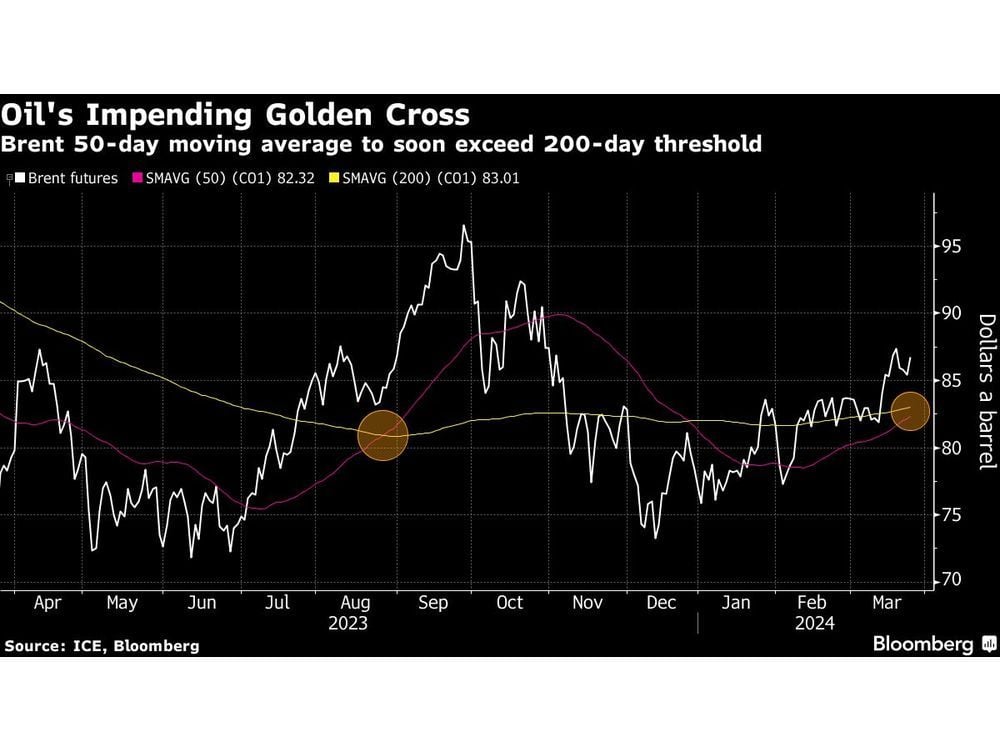
Oil prices have exhibited steady behavior following recent gains, with Brent crude trading just below $87 per barrel and WTI near $82. These levels reflect a balance between supply constraints enforced by OPEC+ and cautious demand outlooks influenced by economic indicators and geopolitical risks.
Investor sentiment has been buoyed by signs of market strength in refined products, including gasoline, which supports broader crude oil demand. Hedge funds and other speculative traders have increased bullish positions on Brent crude, anticipating sustained price support amid ongoing supply uncertainties.
Technical analysis also points to a positive outlook, with Brent’s moving averages approaching a ‘golden cross’ formation, often interpreted as a bullish signal. Such technical factors, combined with fundamental supply and demand dynamics, shape the near-term price trajectory for oil futures.
Economic Factors Influencing Oil Demand
Global economic conditions play a pivotal role in shaping oil demand. Recent signals from central banks, particularly the Federal Reserve, suggest potential easing of monetary policy later in the year, which could stimulate economic growth and increase energy consumption. This prospect has enhanced risk appetite among investors, indirectly supporting oil prices.
Conversely, concerns about inflation, interest rates, and economic slowdowns in key markets continue to temper demand expectations. The delicate balance between growth prospects and inflationary pressures creates an environment of cautious optimism, influencing oil consumption patterns worldwide.
Emerging market dynamics, such as India’s recent halt in purchasing Venezuelan oil due to sanctions risks, further complicate demand forecasts. These developments highlight the interconnectedness of geopolitical decisions and economic policies in shaping global oil trade flows.
Supply Disruptions and Risk Premiums
Persistent risks of supply disruptions underpin the current oil price levels. Conflicts and tensions in key producing regions raise the possibility of sudden outages, prompting market participants to maintain a risk premium in pricing. This premium acts as a buffer against unforeseen shocks that could tighten supply further.
For instance, attacks on infrastructure in the Middle East or constraints on Russian exports due to sanctions can swiftly reduce available crude volumes, triggering price spikes. The market’s sensitivity to such events reflects the limited spare capacity and the strategic importance of certain supply corridors.
Moreover, logistical challenges, including shipping restrictions and insurance complications related to sanctioned entities, add layers of complexity to supply chains. These factors collectively sustain elevated caution among traders and investors.
Technological and Market Innovations
Advancements in technology and market mechanisms are influencing how oil markets respond to supply and demand shocks. Improved data analytics and real-time monitoring enable better forecasting and risk management, enhancing market resilience despite geopolitical uncertainties.
Innovations in refining and alternative energy sources are also gradually reshaping demand patterns. While oil remains a dominant energy source, diversification efforts and efficiency improvements in consumption could moderate long-term demand growth, introducing new variables into market calculations.
Additionally, financial instruments such as futures contracts and options provide tools for hedging against price volatility, allowing producers and consumers to navigate uncertain environments more effectively. These developments contribute to a more sophisticated and adaptive market structure.
Outlook and Future Considerations
Looking ahead, the oil market’s trajectory will depend heavily on the interplay between OPEC+ policies, geopolitical developments, and global economic trends. The continuation of production cuts suggests a cautious approach to supply management, aiming to sustain price stability amid uncertain demand.
Geopolitical risks remain a wildcard, with potential escalations capable of causing rapid market shifts. Stakeholders must remain alert to diplomatic developments and conflict resolutions that could alter supply dynamics significantly.
Economic recovery patterns, particularly in major consuming regions, will influence demand growth and price momentum. Monitoring central bank policies, inflation trends, and energy transition initiatives will be crucial for anticipating market movements in the coming months.
Conclusion
The oil market is currently characterized by a delicate balance between supply management efforts by OPEC+ and the persistent uncertainties stemming from geopolitical tensions and economic fluctuations. While production cutbacks have provided a foundation for price stability, ongoing risks related to conflicts and sanctions keep the market on alert. Economic indicators and potential shifts in monetary policy further complicate demand forecasts, underscoring the need for vigilant monitoring of global developments. As the industry navigates these challenges, adaptability and strategic foresight will be essential for stakeholders aiming to capitalize on emerging opportunities and mitigate risks.