
Politics
Science vs politics: Kiwi’s long road to EU health-claim approval
In August 2025, Zespri, the world’s largest marketer of kiwifruit, announced that the European Commission had approved what it described as the first health…
TAMFIS NIG LTDRC 8067447CAC ACTIVEFinima, Bonny Island, Rivers State

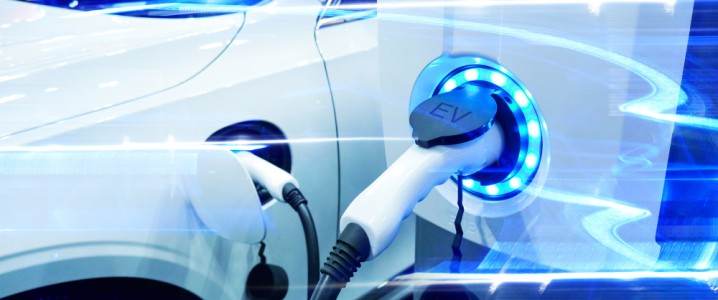
Electric vehicles (EVs) have been heralded as a crucial element in reducing carbon emissions and combating climate change. However, in the United States, the transition to EVs is not just a technological or economic challenge—it has become deeply political. While many Americans support the shift toward clean energy transportation, a significant portion, especially among conservative voters, harbor skepticism or outright opposition to EVs. This political divide is shaping consumer behavior, government policies, and the broader trajectory of EV adoption in the country. This article delves into the complex relationship between politics and electric vehicles, examining the roots of resistance, the role of government mandates, industry responses, and what the future might hold for EVs in a politically polarized landscape.
Public opinion on electric vehicles in the U.S. is strongly influenced by political identity. Surveys consistently reveal that liberal Americans tend to view EVs favorably, associating them with environmental responsibility and technological progress. Conversely, many conservative voters express skepticism or negative opinions about EVs, often questioning their practicality, cost, and environmental impact.
A Morning Consult poll for The Wall Street Journal found that 41% of conservative respondents held a 'very unfavorable' view of EVs, with an additional 20% somewhat unfavorable. In contrast, 66% of liberals reported favorable opinions. This stark divide highlights how political ideology shapes attitudes toward new technologies, especially those tied to environmental policy.
This polarization is not merely academic; it translates into purchasing behavior. Many conservative Americans resist buying EVs even if financially feasible, reflecting a broader cultural resistance to policies and technologies perceived as driven by liberal agendas. This resistance complicates efforts to accelerate EV adoption nationwide.
Federal government policies have played a pivotal role in promoting EV adoption through incentives, regulations, and mandates. Under the Biden administration, there has been a strong push to increase the share of electric vehicles in the national fleet, including tax credits and stricter emissions standards. These policies are designed to reduce greenhouse gas emissions and stimulate innovation in clean energy transportation.
However, these mandates have become a contentious political issue, especially as the 2024 presidential election approaches. The presumptive Republican nominee, Donald Trump, has promised to roll back Biden’s EV mandates, arguing that they harm the oil and gas industry and restrict consumer choice. His campaign rhetoric, including slogans like 'drill, baby, drill,' underscores a commitment to fossil fuel development rather than a transition to electric mobility.
This political tug-of-war over EV mandates fuels public resistance, particularly in conservative strongholds. Many voters view EV policies not just as environmental measures but as political symbols, leading to opposition based more on ideology than on the vehicles’ merits or drawbacks.
Beyond political ideology, economic concerns contribute to EV resistance. Many conservative Americans worry about the initial costs of EVs, the availability and reliability of charging infrastructure, and the longevity of battery technology. These concerns often fuel skepticism about whether EVs are a practical alternative to traditional gasoline vehicles.
For some, the perception that EVs are expensive luxury items rather than affordable transportation options reinforces reluctance to switch. Additionally, uncertainties about resale value and maintenance costs add to hesitation. These economic factors are amplified in rural areas where charging stations are sparse and driving distances are longer.
Moreover, conservative consumers often express distrust toward government incentives, viewing them as market distortions that unfairly advantage certain industries. This skepticism extends to the belief that EV adoption is being pushed by political elites rather than emerging organically from consumer demand.
Political messaging has a tangible impact on EV market dynamics. In early 2024, the U.S. saw a decline in electric vehicle sales for the first time since the pandemic began, with battery electric vehicle (BEV) sales falling. Automakers like Ford have responded by delaying the rollout of some next-generation EV models and expanding hybrid offerings to appeal to a broader market.
Ford’s decision reflects a cautious approach amid slowing consumer uptake, especially in politically conservative regions. By emphasizing hybrids, which combine gasoline and electric power, manufacturers aim to bridge the gap between traditional vehicles and fully electric models, hoping to ease the transition for hesitant buyers.
This market slowdown underscores how political resistance and economic concerns intertwine to influence consumer behavior. Automakers must navigate these complexities, balancing innovation with market realities shaped by political attitudes.
The oil and gas industry remains a powerful stakeholder in the political debate over electric vehicles. Fossil fuel companies have a vested interest in maintaining demand for gasoline and diesel, and they often support political candidates and policies that favor continued fossil fuel development.
Campaigns like 'drill, baby, drill' resonate with voters who rely on the oil and gas sector for jobs and economic stability. This messaging reinforces skepticism toward EVs, framing them as threats to livelihoods and regional economies, particularly in energy-producing states.
In some cases, oil and gas interests have funded misinformation campaigns or lobbied against EV incentives, further complicating the public discourse. Their influence contributes to the political polarization surrounding EV adoption, making it a proxy battle over the future of energy in America.
Environmental issues are often deeply intertwined with political identity in the U.S. While climate change and pollution are widely recognized challenges, the solutions proposed—such as EV adoption—are viewed through partisan lenses. For many conservatives, EVs symbolize government overreach and a departure from traditional American values like personal freedom and market choice.
This dynamic creates a paradox where environmental benefits are acknowledged but dismissed due to political distrust. Some conservative voters prioritize economic growth and energy independence over climate initiatives, fearing that aggressive EV policies could harm industries and communities.
Conversely, liberal Americans are more likely to embrace EVs as part of a broader environmental agenda, supporting policies that prioritize sustainability even at economic costs. This divide complicates consensus-building and slows national progress toward cleaner transportation.
The future of electric vehicles in the U.S. depends on bridging political divides and addressing legitimate concerns across the spectrum. Policymakers need to craft inclusive strategies that appeal to diverse constituencies, emphasizing economic opportunities, technological advancements, and infrastructure development.
Expanding charging networks, improving battery technology, and reducing vehicle costs can help alleviate practical barriers to EV adoption. Simultaneously, bipartisan messaging that highlights job creation in clean energy sectors and energy security may reduce ideological resistance.
Automakers also play a critical role by offering a range of vehicles, from hybrids to fully electric models, catering to varied consumer preferences. The political landscape will continue to influence the pace of change, but pragmatic solutions and dialogue can help foster broader acceptance.
Electric vehicles represent a promising path toward reducing environmental impact and modernizing transportation. However, in the United States, political polarization has emerged as a significant barrier to widespread EV adoption. Conservative skepticism, fueled by economic concerns, cultural identity, and industry influence, contrasts sharply with liberal enthusiasm for EVs.
Government mandates and incentives have accelerated EV adoption in some sectors but also intensified political resistance. Market trends reveal that consumer uptake is sensitive to these political dynamics, influencing automaker strategies and overall sales.
Ultimately, overcoming this resistance requires nuanced approaches that address both ideological divides and practical challenges. Building consensus around the benefits of electric vehicles, beyond partisan lines, is essential for the U.S. to achieve a sustainable transportation future.
The resistance to electric vehicles among some Americans is less about technology and more about politics. As EV adoption becomes a symbol in broader ideological battles, overcoming this divide is crucial for environmental progress and energy innovation. By addressing economic concerns, expanding infrastructure, and fostering bipartisan support, the United States can move toward a cleaner, more sustainable transportation future despite political challenges. The path forward requires dialogue, understanding, and pragmatic solutions that transcend party lines to unlock the full potential of electric vehicles.
Originally reported by oilprice.com. Adapted for our readers.
Keep reading
Politics
In August 2025, Zespri, the world’s largest marketer of kiwifruit, announced that the European Commission had approved what it described as the first health…
News
By Engr. Tamunofiniarisa BrownReading Time: 6 Minutes The conflict between Russia and Ukraine is often framed in the media as a simple battle between…
Politics
Twenty-five years after the September 11 attacks, the family of Marine Travis Fuller reflects on his death in the Iraq War, grappling with the…
TAMFIS NIG LTD
Electrical and instrumentation engineering, bid preparation and consulting, IT and software.