Top Stories
KFF Health News’ ‘What the Health?’: The Supreme Court and the Abortion Pill
Since the Supreme Court overturned Roe v. Wade in 2022, the landscape of abortion rights in the United S...
TAMFIS NIG LTDRC 8067447CAC ACTIVEFinima, Bonny Island, Rivers State

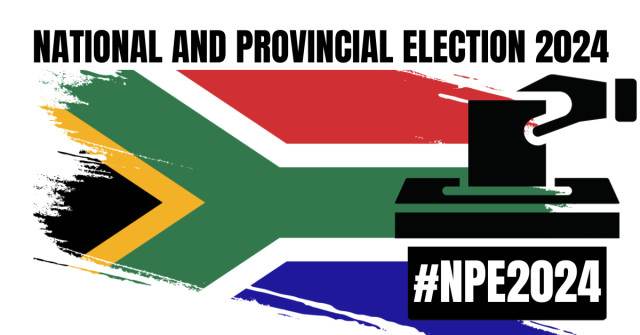
South Africa is preparing for its seventh democratic elections, a milestone that underscores the country’s ongoing commitment to democratic governance. However, this electoral period is unfolding against a backdrop of unprecedented challenges posed by misinformation and disinformation circulating on social media. These false and misleading narratives threaten to undermine public trust, distort electoral outcomes, and destabilize democratic institutions. This article examines the nature of these digital threats, the strategies being employed to counter them, and the importance of media literacy and collaborative efforts in preserving the integrity of South Africa’s democracy.
Misinformation refers to false or misleading information shared without intent to deceive, while disinformation is deliberately fabricated or manipulated content designed to mislead and cause public harm. In the context of elections, disinformation campaigns often aim to disrupt voting processes, influence voter behavior, or delegitimize election outcomes.
Nomshado Lubisi-Nkosinkulu, Communications Supervisor at Media Monitoring Africa (MMA), highlights that disinformation frequently contains elements of truth, making it more convincing and emotionally charged. This strategic blending of fact and falsehood can provoke anger, anxiety, and confusion among the public, ultimately eroding trust in democratic institutions and processes.
South Africa’s seventh democratic elections are anticipated to be among the most contested in its young democratic history. The proliferation of misinformation and disinformation on social media platforms complicates the electorate’s ability to discern credible information, thereby threatening the fairness and transparency of the election.
The rapid expansion of digital media has created an 'explosion of information,' making it increasingly difficult for voters to identify accurate news sources. This environment fosters polarization and misinformation, which can suppress voter turnout, skew public opinion, and potentially influence election results.
Lubisi-Nkosinkulu warns that these digital harms are not only probable but represent a persistent risk that requires urgent attention to protect democratic integrity.
Addressing the challenges posed by misinformation demands a multi-stakeholder approach. Media Monitoring Africa has partnered with the Independent Electoral Commission (IEC), social media platforms, and civil society organizations to form a framework aimed at mitigating digital harms during the election period.
One key initiative is Real411, a platform that empowers citizens to report disinformation and other online harms. This tool facilitates transparent and responsible content classification and complaint management in line with legal and constitutional standards. Real411 serves as a centralized hub for public reporting, enabling the IEC and other stakeholders to respond effectively across various digital platforms.
Additionally, the Political Party Advert Repository (PAdRE) has been launched to enhance transparency by providing public access to information about political party advertisements and campaign spending. This initiative aligns with the African Commission on Human and Peoples’ Rights’ guidelines on access to information and electoral processes, supporting free and fair elections.
Social media platforms play a critical role in shaping public discourse during elections. TikTok’s Sub-Saharan Africa Director of Public Policy, Fortune Mgwili-Sibanda, emphasizes the platform’s commitment to maintaining a safe and inclusive environment through its Community Guidelines.
TikTok has implemented measures such as warning strikes for first-time violations and account reviews for repeated breaches of its policies. These steps aim to deter the spread of harmful content while providing creators with opportunities to self-audit and comply with community standards.
The platform’s guidelines are designed to respect cultural norms and legal frameworks across different countries, ensuring that content moderation supports democratic participation without infringing on freedom of expression.
A central challenge in combating misinformation is the general lack of robust digital and media literacy skills among the public. Enhancing these skills is crucial for enabling voters to critically evaluate information sources and resist manipulation.
Media Monitoring Africa advocates for media outlets not only to maintain credibility but also to actively educate the public about identifying misinformation and disinformation. Empowering citizens with knowledge and tools to recognize false content strengthens democratic resilience.
Public participation through platforms like Real411 also fosters a sense of agency, encouraging individuals to contribute to safeguarding the electoral process by reporting suspicious content.
As South Africa approaches a pivotal moment in its democratic journey, the challenges posed by misinformation and disinformation cannot be underestimated. These digital threats have the potential to distort electoral processes, erode public trust, and weaken democratic institutions. However, the coordinated efforts of organizations like Media Monitoring Africa, the IEC, social media platforms, and civil society demonstrate a proactive approach to safeguarding democracy. By combining technological tools, transparent information repositories, and public education initiatives, South Africa is working to ensure that its elections remain free, fair, and credible. Ultimately, fostering an informed and vigilant electorate is the most effective defense against the corrosive impact of false information on democracy.
Originally reported by talkofthetown.co.za. Adapted for our readers with AI assistance.
Keep reading
Top Stories
Since the Supreme Court overturned Roe v. Wade in 2022, the landscape of abortion rights in the United S...
Top Stories
Top Stories Tamfitronics One evening in May, nursing assistant Debra Ragoonanan’s vision blurred during her shift at a state-run Massachusetts vet...
Top Stories
2:54 PM Saudi Arabia shouldn’t be part of Iran-U.S. war, Turkish foreign minister says Turkish Foreign Minister Hakan Fidan spoke out Saturday about…
TAMFIS NIG LTD
Electrical and instrumentation engineering, bid preparation and consulting, IT and software.