Politics
How Minnesota Figures Into the Presidential Politics of Insulin Prices
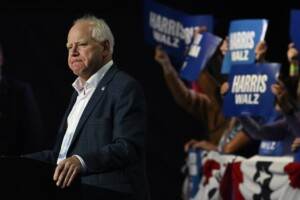
Politics tamfitronics Minnesota Gov. Tim Walz attends a rally in Asheville, North Carolina, on Sept. 17. Minnesota led the way on in...
TAMFIS NIG LTDRC 8067447CAC ACTIVEFinima, Bonny Island, Rivers State

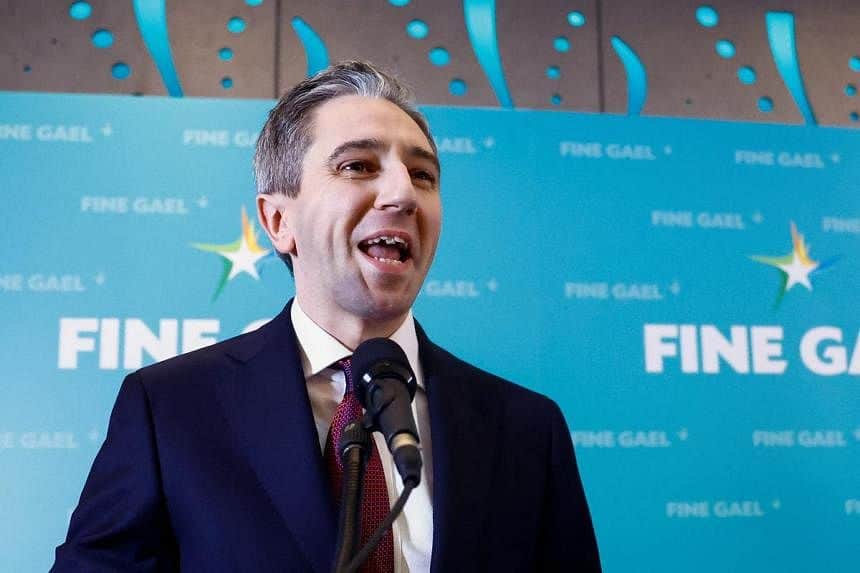
In a surprising political turn, Simon Harris has emerged as Ireland's new leader, poised to become the youngest Taoiseach in the nation's history. His ascent follows the sudden resignation of Leo Varadkar and marks a critical juncture for the ruling Fine Gael party and its coalition partners. Harris inherits a government grappling with entrenched issues such as soaring housing costs, public service pressures, and a fragmented political environment. This article explores the multifaceted challenges Harris faces, the political context of his leadership, and the prospects for his tenure in a rapidly evolving Irish political landscape.
Simon Harris's ascent to Ireland's top political office has been swift and unexpected. At just 37 years old, Harris was elected unopposed as leader of Fine Gael, mere days after the abrupt departure of former Taoiseach Leo Varadkar. This rapid transition positions Harris as Ireland's youngest ever prime minister, signaling a generational shift within the party and Irish politics at large.
Harris's political career has been marked by steady progress through various ministerial roles, including a notable tenure as Minister for Health. His experience navigating complex portfolios has earned him respect within Fine Gael, positioning him as a unifying figure capable of steering the party through turbulent times.
Despite his youth, Harris faces the daunting task of consolidating power quickly and effectively. The limited timeframe before the next parliamentary sitting means he must rapidly build consensus within his party and coalition partners to maintain governmental stability.
Harris inherits a three-party coalition government that significantly restricts his maneuverability. Fine Gael holds only seven of the eighteen cabinet seats, compelling Harris to work closely with coalition partners who have their own agendas and priorities. This delicate balance limits opportunities for sweeping policy reforms or major cabinet reshuffles.
The coalition arrangement demands adherence to the joint government programme agreed upon in 2020, leaving little room for Harris to introduce new initiatives that diverge from existing commitments. This constraint is particularly challenging given the public's demand for urgent action on pressing issues.
Political analysts caution that Harris's ability to refresh ministerial staff is constrained, as many ministers have held their positions for a decade. While a reshuffle could inject new energy, it risks destabilizing the fragile coalition consensus, making strategic decisions around cabinet composition critical.
One of the most formidable challenges facing Harris is Ireland's ongoing housing crisis. Skyrocketing rents and unaffordable property prices have fueled widespread public dissatisfaction, contributing to voter fatigue with the current government. This issue was a significant factor in Fine Gael’s stagnation under Varadkar’s leadership.
Addressing the housing shortage requires coordinated policy efforts and increased investment in affordable housing projects. However, the coalition’s limited flexibility and fiscal constraints complicate the implementation of aggressive housing reforms, placing pressure on Harris to find innovative solutions.
Public frustration extends beyond housing costs to include strained public services and infrastructure, exacerbated by growing asylum seeker and refugee populations. Harris must balance humanitarian responsibilities with domestic socio-economic pressures, a complex task that tests political acumen and leadership.
Irish politics has experienced notable volatility in recent years, with Sinn Féin emerging as a strong contender challenging the traditional dominance of Fine Gael and Fianna Fáil. Sinn Féin's platform, emphasizing Irish unification and social reforms, has resonated with many voters, particularly younger demographics.
Recent polls indicate a slight decline in Sinn Féin’s support from highs recorded 12-18 months ago, but they remain a formidable force. Meanwhile, smaller parties and independent candidates are gaining traction, reflecting voter disillusionment with established parties and a desire for new political voices.
This evolving landscape places additional pressure on Harris to clearly define Fine Gael’s identity and policy priorities. The party’s attempt to balance centre-right economic policies with social inclusiveness has sometimes blurred its message, necessitating a sharper articulation of its vision to regain voter confidence.
Ireland's economy has consistently performed well within the eurozone, boasting strong growth and resilience over the past decade. This economic strength provides a solid foundation for Harris’s government to build upon, offering opportunities to fund public services and infrastructure improvements.
However, years of tax cuts and increased public spending have limited the government’s fiscal flexibility. The resulting political capital has been insufficient to offset voter concerns about cost of living pressures and inequality, which remain at the forefront of public discourse.
Harris must leverage Ireland’s economic momentum while addressing the socio-economic disparities that threaten social cohesion. Balancing fiscal responsibility with targeted investments will be critical to sustaining economic growth and political stability.
Within Fine Gael, there is growing pressure for Harris to define a clear and compelling party platform. Historically centre-right, Fine Gael has sought to attract a broader electorate by combining tax cuts with increased government spending and enhanced workers’ rights, but this approach risks diluting its core identity.
Party members and analysts argue that without a distinct and consistent message, Fine Gael may continue to lose ground to Sinn Féin and other emerging political forces. Harris's leadership will be judged on his ability to unify the party around clear priorities and effectively communicate them to the public.
Revitalizing Fine Gael requires balancing traditional conservative values with progressive policies that address contemporary social issues. Harris’s challenge lies in crafting a vision that resonates across diverse voter segments while maintaining party cohesion.
The political calendar ahead includes local and European Parliament elections in June, followed by a potential general election within the year. These contests will serve as critical tests for Harris’s leadership and Fine Gael’s electoral viability.
Initial polling suggests a modest uptick in support for Fine Gael under Harris, particularly among moderate and 'soft left' voters who may be seeking alternatives to Sinn Féin. Harris’s campaigning skills could prove decisive in mobilizing this base and countering opposition narratives.
Political observers note that Harris’s ability to engage voters on the campaign trail could distinguish him from his predecessor, who struggled to connect with certain electorates. Success in upcoming elections would bolster Harris’s mandate and provide momentum for his government’s agenda.
Dublin City University politics professor Gary Murphy characterizes Harris’s situation as a 'colossal in-tray,' acknowledging the breadth and depth of issues demanding immediate attention. Yet, Murphy remains cautiously optimistic about Harris’s capacity to navigate these challenges successfully.
Murphy emphasizes that while defeat is always a possibility in volatile political environments, Harris’s leadership style and political savvy may help Fine Gael maintain governance and adapt to changing voter expectations.
Ultimately, Harris’s tenure will be shaped by his ability to manage coalition dynamics, address socio-economic pressures, and articulate a compelling vision for Ireland’s future. His success or failure will have lasting implications for the country’s political trajectory.
Simon Harris’s elevation to Ireland’s premiership marks a pivotal moment for the nation’s political landscape. Confronted by entrenched challenges such as the housing crisis, coalition constraints, and a shifting electorate, Harris faces a daunting task. However, his youth, political experience, and the opportunity to redefine Fine Gael’s direction offer grounds for cautious optimism. Success will depend on his ability to balance competing interests, communicate a clear vision, and deliver tangible improvements for Irish citizens. As Ireland approaches critical elections, Harris’s leadership will be closely scrutinized, shaping the country’s path forward.
Originally reported by straitstimes.com. Adapted for our readers.
Keep reading
Politics
Politics tamfitronics Minnesota Gov. Tim Walz attends a rally in Asheville, North Carolina, on Sept. 17. Minnesota led the way on in...
Politics
Deji Adeyanju; Niger State Mining Victims Human rights lawyer and activist, Deji Adeyanju, has accepted his appointment as a member of the Federal Government’s…
Politics
Democracy, Featured, Global, Global Governance, Headlines, International Justice, IPS UN: Inside the Glasshouse, TerraViva United Nations UNITED NATIONS, Sep 11 2026 (IPS) – When…
TAMFIS NIG LTD
Electrical and instrumentation engineering, bid preparation and consulting, IT and software.