Top Stories
Discovery beneath soccer field reveals massive medieval convent lost for centuries
NEWYou can now listen to Fox News articles! Researchers recently uncovered a long-lost medieval convent in an unusual location in Denmark: a soccer field…
TAMFIS NIG LTDRC 8067447CAC ACTIVEFinima, Bonny Island, Rivers State

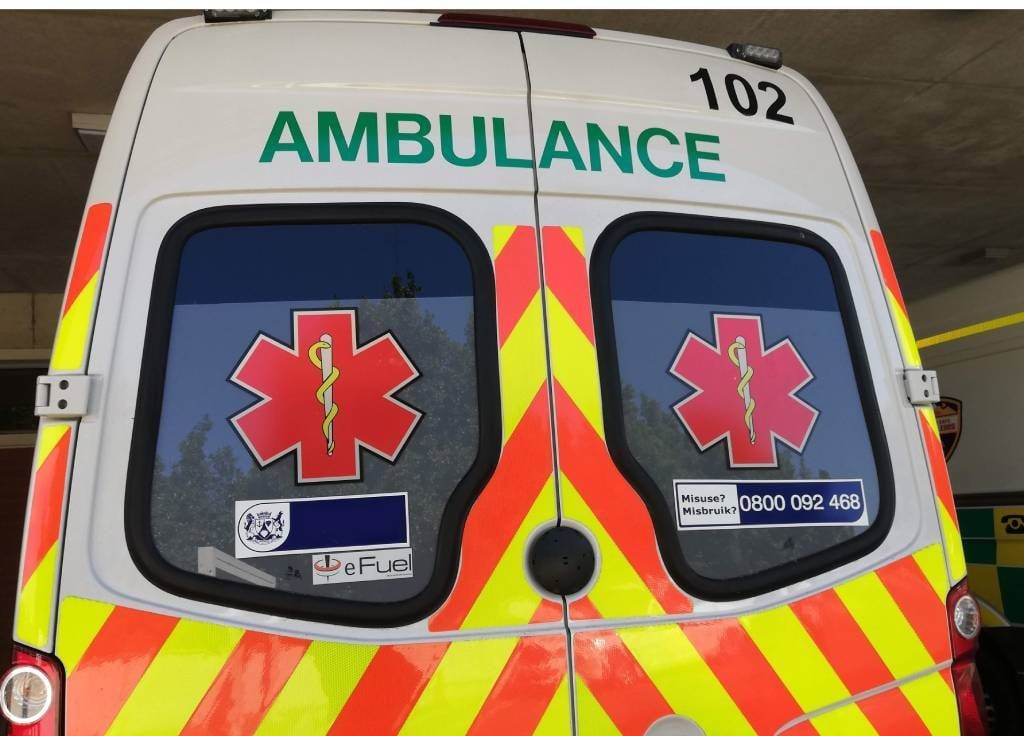
Emergency Medical Services (EMS) are the backbone of rapid medical response, providing life-saving care in critical moments. However, recent incidents involving assaults and hijackings of EMS personnel in South Africa have raised alarm bells within the sector. When EMS workers are attacked or incapacitated, their ability to assist those in need is severely compromised, putting lives at risk. This article delves into the growing crisis faced by EMS staff, the implications for service delivery, and the urgent need for societal and governmental intervention to ensure their safety and operational efficiency.
South Africa’s Emergency Medical Services have long been a vital component of the healthcare system, responding to accidents, medical emergencies, and disasters. Unfortunately, EMS workers are increasingly becoming targets of violence, including physical assaults and hijackings. These attacks not only endanger the lives of EMS personnel but also disrupt emergency response services, leading to delayed medical assistance for patients.
A notable recent case involved a firefighter who was hijacked and assaulted while on duty in the Vaal Triangle. The attacker took control of the EMS vehicle, leaving the injured worker stranded and unable to continue their critical mission. Such incidents have sparked widespread concern among EMS staff and their unions, highlighting the urgent need to address the safety of frontline responders.
These threats are compounded by the high-pressure environment in which EMS personnel operate. Constantly exposed to traumatic scenes and time-sensitive situations, the added risk of violence creates an untenable work environment. The psychological toll on EMS workers is significant, affecting their mental well-being and job performance.
When EMS personnel are assaulted or incapacitated, the consequences extend far beyond the immediate victim. The inability to provide timely medical assistance endangers the lives of patients awaiting emergency care. Delays caused by hijackings or attacks can mean the difference between life and death in critical situations such as cardiac arrests or severe trauma.
Furthermore, attacks on EMS workers lead to a reduction in available resources. Vehicles may be damaged or stolen, and staff may require time off to recover from physical or psychological injuries. This strains already limited EMS resources, exacerbating response times and reducing overall service effectiveness.
The fear of violence also discourages personnel from working in high-risk areas, leading to uneven coverage and further delays. EMS management must grapple with balancing the safety of their staff with the imperative to provide comprehensive emergency care across all communities.
EMS workers operate in unpredictable environments with little control over external factors. They often enter dangerous or unstable situations to provide aid, making them vulnerable to attacks from criminals or agitated individuals. The risk of being hijacked or assaulted while en route to or from emergencies is a constant concern.
In addition to physical threats, EMS personnel face logistical challenges such as inadequate protective equipment and support systems. Many EMS units lack sufficient security measures, leaving staff exposed during vulnerable moments. The absence of coordinated law enforcement backup further exacerbates their vulnerability.
Moreover, EMS workers frequently endure emotional strain from witnessing traumatic events and dealing with hostile behavior. Without adequate psychological support and debriefing mechanisms, the cumulative stress can lead to burnout, absenteeism, and reduced quality of care.
In response to the rising violence against EMS personnel, unions and advocacy groups have called for stronger protective measures. These include increased police presence during emergency responses, improved vehicle security features, and stricter penalties for offenders targeting EMS workers.
Training programs emphasizing situational awareness and self-defense have also been proposed to equip EMS staff with skills to mitigate risks. Additionally, investment in communication technology can enable faster alerts and coordinated responses to threats during emergency operations.
Mental health support must be prioritized to help EMS personnel cope with trauma and stress. Establishing counseling services, peer support networks, and resilience-building initiatives can improve staff well-being and retention.
Public understanding of the critical role EMS personnel play is essential for fostering a safer working environment. Awareness campaigns can educate communities about respecting emergency responders and the consequences of interfering with their duties.
Community cooperation is vital during emergencies. Civilians can assist by providing accurate information, maintaining calm, and avoiding obstruction of EMS operations. Building trust between EMS teams and local residents enhances security and facilitates smoother interventions.
Furthermore, encouraging the public to report crimes against EMS workers promptly can aid law enforcement in apprehending perpetrators and deterring future attacks. Collective responsibility is key to protecting those who protect us.
Government agencies must recognize the gravity of violence against EMS personnel and enact policies to safeguard their welfare. This includes allocating resources to improve EMS infrastructure, security, and training programs.
Legislation that categorizes attacks on EMS workers as serious offenses with stringent punishments can serve as a deterrent. Additionally, integrating EMS security into broader national safety strategies highlights the importance of protecting emergency responders.
Collaboration between health departments, law enforcement, and EMS management is crucial to develop comprehensive protocols for managing threats. Regular reviews and updates to these protocols ensure responsiveness to evolving challenges.
Addressing the safety challenges faced by EMS workers requires a multi-faceted approach involving government, communities, and the EMS sector itself. Investing in protective measures, staff training, and mental health support will enhance resilience and operational capacity.
Promoting a culture of respect and recognition for EMS personnel can shift societal attitudes and reduce hostility. Highlighting their critical contributions through media and public engagement fosters appreciation and support.
Ultimately, ensuring EMS workers can perform their duties without fear of harm is essential for a robust emergency healthcare system. A safer environment for EMS staff translates directly into better patient outcomes and a healthier society.
The safety of Emergency Medical Services personnel is paramount to maintaining an effective healthcare emergency response system. The recent surge in assaults and hijackings against these frontline workers in South Africa highlights a pressing crisis that demands immediate attention. Protecting EMS staff through enhanced security, supportive policies, and public cooperation will not only safeguard their lives but also ensure timely and efficient medical assistance for those in urgent need. As a society, recognizing and addressing the vulnerabilities of EMS personnel is essential to building a resilient and compassionate emergency care framework for the future.
Originally reported by news24.com. Adapted for our readers.
Keep reading
Top Stories
NEWYou can now listen to Fox News articles! Researchers recently uncovered a long-lost medieval convent in an unusual location in Denmark: a soccer field…
News
By Engr. Tamunofiniarisa BrownReading Time: 6 Minutes The conflict between Russia and Ukraine is often framed in the media as a simple battle between…
TAMFIS NIG LTD
Electrical and instrumentation engineering, bid preparation and consulting, IT and software.