
Politics
Science vs politics: Kiwi’s long road to EU health-claim approval
In August 2025, Zespri, the world’s largest marketer of kiwifruit, announced that the European Commission had approved what it described as the first health…
TAMFIS NIG LTDRC 8067447CAC ACTIVEFinima, Bonny Island, Rivers State

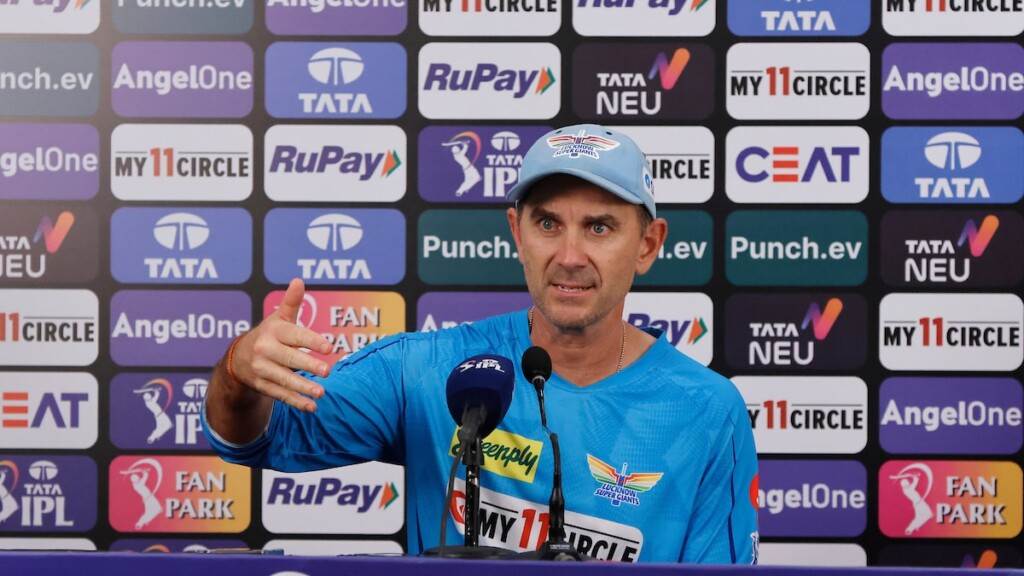
The Indian cricket team’s head coach position is widely regarded as one of the most demanding and scrutinized roles in international cricket. With Rahul Dravid’s contract ending after the upcoming T20 World Cup, speculation around his successor has intensified. Among the names discussed was former Australian batsman and coach Justin Langer, who recently revealed he has opted out of the race after a revealing conversation with Indian star KL Rahul. According to Rahul, the level of politics and pressure in coaching India’s national team is “a thousand times” more intense than any other coaching role, including the Indian Premier League (IPL). This article delves into KL Rahul's eye-opening remarks, the implications for the coaching role, and the broader context surrounding the coaching vacancy.
With Rahul Dravid’s tenure as the Indian cricket team head coach nearing its end, the Board of Control for Cricket in India (BCCI) has begun exploring potential candidates to fill the prestigious position. Dravid’s successful stint has raised expectations for whoever steps into his shoes, intensifying the pressure on the incoming coach to maintain India’s cricketing excellence on the global stage.
The head coach role in India is not only about cricketing acumen but also about managing the immense public, media, and administrative expectations. The position demands strategic vision, leadership, and the ability to navigate complex interpersonal dynamics within the team and the governing bodies.
Given the significance of the role, multiple high-profile names, including former international players and coaches, have been linked with the job. However, the realities of the position, as revealed by KL Rahul, suggest that it requires far more than just cricketing expertise.
Justin Langer, the former Australian opener and coach, was initially considered a frontrunner for the India head coach position. Known for his successful tenure with the Australian national team, Langer’s name generated excitement among fans and cricketing circles alike.
However, Langer recently disclosed that he has decided to opt out of the selection process. His decision stems from a deeper understanding of the role’s demands, particularly the intense political environment surrounding Indian cricket. This insight came from a conversation with KL Rahul during the IPL 2024 season, where both were part of the Lucknow Super Giants.
Langer’s withdrawal underscores the unique challenges of coaching the Indian team, which arguably surpass those faced by coaches in other international teams or even IPL franchises.
During an interview on BBC’s Stumped, Justin Langer shared a pivotal piece of advice he received from KL Rahul. Rahul candidly told Langer that while coaching an IPL team involves politics and pressure, coaching the Indian national team magnifies these factors by a thousand times.
This blunt observation highlights the multifaceted challenges faced by the Indian head coach, including navigating boardroom politics, media scrutiny, player management, and the immense expectations of a cricket-passionate nation.
Rahul’s perspective offers a rare glimpse into the off-field complexities that are often overlooked by the public but significantly impact the coach’s role and effectiveness.
The IPL, while intensely competitive and high-profile, operates within a different framework compared to national team coaching. IPL coaches manage franchise teams with a limited tournament window, dealing with a mix of international and domestic players in a franchise-based environment.
In contrast, coaching the Indian national team is a year-round responsibility involving long tours, multiple formats, and the need to build a cohesive unit representing the country on the global stage. The coach must also manage the expectations of millions of fans and media outlets.
KL Rahul’s statement underscores that despite the IPL’s glamor and pressure, the political and emotional intensity surrounding the Indian national team coaching job is unparalleled and significantly more taxing.
Former Australian captain Ricky Ponting, another name speculated to be in the running, has also distanced himself from the India coaching job. Ponting emphasized the demanding nature of the role and the impact it would have on his personal life and commitments.
Ponting mentioned that coaching India is a full-time, nearly year-round job that requires immense dedication and leaves little room for other pursuits, including IPL commitments. His decision reflects a broader recognition among cricketing legends about the unique pressures associated with this position.
These insights from high-profile candidates reinforce the idea that the Indian head coach role is not just about cricket but involves managing a complex web of expectations and politics.
The BCCI, as the governing body of Indian cricket, plays a crucial role in selecting and supporting the head coach. Given India’s dominant position in world cricket, the BCCI expects the coach to deliver consistent results and uphold the team’s reputation.
The board’s approach to the coaching appointment balances performance metrics with diplomatic skills, considering the political and administrative challenges highlighted by players and former coaches alike.
The BCCI’s support system, including the selection committee and team management, is vital to easing some of the pressures on the head coach, although the role remains inherently challenging.
KL Rahul’s candid remarks and the responses from potential candidates like Langer and Ponting may influence how future coaching appointments are approached. The BCCI may need to consider the political climate and support structures more carefully to attract and retain top-tier coaching talent.
Transparency, clear communication, and a supportive environment could become key focus areas to mitigate the intense pressure described by Rahul.
Ultimately, understanding and addressing the unique challenges of the Indian coaching role could help maintain the team’s competitive edge while ensuring the coach’s well-being.
For cricket fans, KL Rahul’s revelation offers a deeper appreciation of the complexities behind the scenes. It explains why coaching changes are rare and why the role demands not just cricketing knowledge but exceptional resilience and diplomacy.
Fans can also understand why high-profile candidates may hesitate to take on the job despite its prestige. This knowledge fosters empathy for the coaching staff and an awareness of the pressures they endure.
As the BCCI moves forward with the appointment process, fans will be keenly watching for a candidate who can balance these multifaceted demands while leading India to continued success.
KL Rahul’s stark portrayal of the political and emotional challenges associated with coaching the Indian cricket team has shed much-needed light on why the role is both coveted and daunting. Justin Langer’s decision to step back from contention, along with similar sentiments from other cricketing greats, underscores the unique pressures inherent in the job. As the BCCI navigates the appointment of the next head coach, understanding these realities will be crucial. The role demands not just cricketing expertise but resilience, diplomacy, and unwavering commitment. For Indian cricket fans, this revelation adds depth to the ongoing coaching saga and sets the stage for a carefully considered selection that balances ambition with pragmatism.
Originally reported by sports.ndtv.com. Adapted for our readers.
Keep reading
Politics
In August 2025, Zespri, the world’s largest marketer of kiwifruit, announced that the European Commission had approved what it described as the first health…
News
By Engr. Tamunofiniarisa BrownReading Time: 6 Minutes The conflict between Russia and Ukraine is often framed in the media as a simple battle between…
Politics
Twenty-five years after the September 11 attacks, the family of Marine Travis Fuller reflects on his death in the Iraq War, grappling with the…
TAMFIS NIG LTD
Electrical and instrumentation engineering, bid preparation and consulting, IT and software.