
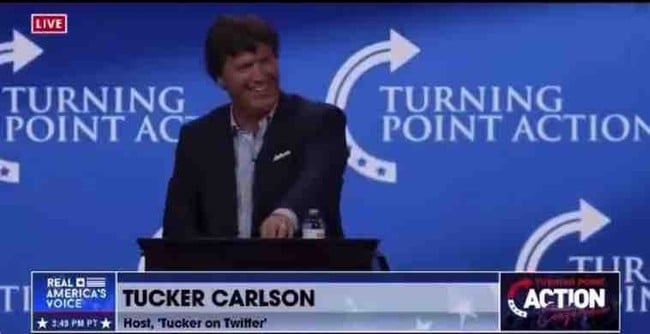
In the fast-paced world of media and politics, stories can spread rapidly, sometimes without thorough verification. A recent example involves an explosive report by Newsweek claiming that Tucker Carlson, the prominent conservative commentator, had struck a deal with Russian state media. However, this report has been strongly disputed by Carlson’s team, particularly by Neil Patel, CEO of The Daily Caller, who categorically denies any such agreement. This article unpacks the unfolding controversy, the reactions from involved parties, and the lessons this incident offers about responsible journalism and the importance of fact-checking in an era of heightened geopolitical tensions.
Background of the Newsweek Allegation
The controversy began when Newsweek published a report alleging that Tucker Carlson had entered into a deal to appear on Russian state-controlled television. The story suggested that Carlson, a well-known media figure, was expanding his influence into Russian media channels, a claim that immediately attracted widespread attention due to the geopolitical sensitivities involved.
Newsweek’s article was based on sources that purportedly indicated negotiations were underway, positioning Carlson as a media figure aligning with Russian interests. Given Carlson’s history of controversial commentary and the ongoing conflict involving Russia, the report sparked significant debate and concern across various media and political circles.
However, the rapid dissemination of the story raised questions about the verification process behind Newsweek’s claims, especially considering the lack of direct statements from Carlson or his representatives at the time of publication.
Tucker Carlson’s Team Responds
In response to the Newsweek story, Neil Patel, co-founder and CEO of The Daily Caller, issued a firm denial stating that the Tucker Carlson Network had not engaged in any deals with Russian media or any foreign outlets. Patel emphasized that Newsweek had failed to contact Carlson’s team for comment before publishing the story, a critical lapse in journalistic standards.
Patel’s statement highlighted that the report was not only inaccurate but also a product of poor journalism, accusing Newsweek of jumping to conclusions without proper due diligence. This public rebuttal was supported by social media posts from Carlson’s team, further discrediting the original story.
The Tucker Carlson Network’s swift and unequivocal denial underscored the importance of reaching out to primary sources for comment, especially when dealing with sensitive allegations that could impact reputations and international relations.
Newsweek’s Editorial Response and Updates
Following the backlash, Newsweek updated its headline and appended an editor’s note acknowledging the denial from Carlson’s team. The update clarified that there was no evidence confirming Carlson’s involvement with Russian state media, signaling a partial retraction of the original claims.
Despite the acknowledgment, Newsweek did not fully remove the story, which has led to further criticism from media analysts and readers who argue that the outlet should have issued a more comprehensive correction or apology for the misinformation.
This partial update illustrates the challenges news organizations face when correcting errors in the digital age, where initial headlines often have a lasting impact regardless of subsequent clarifications.
Public and Media Reactions to the Controversy
The story and subsequent denial sparked a wave of reactions on social media and among media commentators. Many users criticized Newsweek for what they viewed as sloppy journalism, pointing out the lack of verification and failure to seek comment from primary sources before publication.
Some commentators expressed frustration over the ease with which misinformation can spread, especially with stories involving high-profile figures and international politics. The incident became a cautionary tale about confirmation bias and the necessity of skepticism, even towards established news outlets.
Others speculated about the origins of the false report, with some suggesting that the initial source might have been a less credible or politically motivated outlet, highlighting the complexities of information warfare in the current geopolitical climate.
The Role of Misinformation in Modern Media
This incident exemplifies how misinformation can permeate mainstream media, often fueled by rushed reporting and inadequate fact-checking. In a landscape where speed often takes precedence over accuracy, stories can quickly become viral, making retractions or corrections less effective.
The dissemination of unverified claims about Carlson’s supposed Russian media deal illustrates the dangers of confirmation bias—where information is accepted or rejected based on preconceived notions rather than objective evidence. This phenomenon can distort public discourse and deepen divisions.
Furthermore, the case highlights the responsibilities of journalists and editors to adhere to rigorous standards, including contacting all relevant parties and thoroughly verifying sources, especially when reporting on issues with significant political and diplomatic implications.
Implications for Tucker Carlson and Media Credibility
For Tucker Carlson, the false report posed potential reputational risks, associating him with foreign propaganda channels without basis. His team’s prompt denial helped mitigate the fallout, but the incident underscores how quickly misinformation can impact public figures.
From a broader perspective, the controversy affects media credibility. News consumers rely on trusted outlets for accurate information, and repeated errors or misleading reports can erode public trust. This erosion can lead audiences to seek alternative, and sometimes less reliable, information sources.
The incident serves as a reminder for media organizations to prioritize transparency and accountability, reinforcing the need for corrections and retractions to be clear, comprehensive, and timely to preserve journalistic integrity.
Lessons Learned and the Way Forward
One of the key takeaways from this episode is the critical importance of verification in journalism. News outlets must ensure that all claims, especially those with serious geopolitical ramifications, are supported by credible evidence and confirmed by relevant parties before publication.
For readers and consumers of news, this case highlights the necessity of critical thinking and cross-referencing multiple sources before accepting sensational reports. Media literacy is essential to navigate the complex information environment and avoid falling prey to misinformation.
Moving forward, both media organizations and audiences share the responsibility to foster a culture of accuracy and accountability. Journalists should enhance fact-checking protocols, while readers should remain vigilant and discerning in their consumption of news.
Conclusion
The controversy surrounding Newsweek’s report on Tucker Carlson’s alleged deal with Russian state media serves as a stark reminder of the perils of misinformation and the critical need for rigorous journalistic standards. While the story initially captured widespread attention, the swift denials from Carlson’s team and subsequent updates from Newsweek exposed significant shortcomings in the reporting process. In an era marked by rapid information flow and geopolitical sensitivities, both media professionals and consumers must exercise heightened diligence to ensure that news is accurate, balanced, and responsibly reported. Only through a collective commitment to truth and transparency can trust in the media be preserved amidst the challenges of today’s complex information landscape.