Politics
Yari’s 2027 Campaign Strategy: How to Evaluate Claims About Tinubu’s Record
Yari says the APC will emphasise Tinubu’s achievements in 2027. This analysis explains how voters can examine outcomes, baselines and campaign evidence.
TAMFIS NIG LTDRC 8067447CAC ACTIVEFinima, Bonny Island, Rivers State

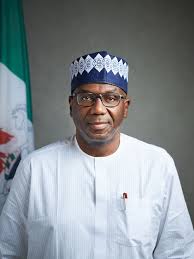
Kwara State, located in Nigeria’s North Central region, stands at a critical juncture in its political and socio-economic development. For decades, the state was overshadowed by the Saraki dynasty, a period characterized by entrenched corruption, nepotism, and political subjugation. Today, under the leadership of Governor Abdulrazaq Abdulrahman, there is a concerted effort to move beyond this troubled past toward a future defined by transparency, accountability, and inclusive growth. However, recent actions by the Kwara chapter of the People’s Democratic Party (PDP) threaten to derail these efforts by reverting to regressive political practices, including attempts to manipulate the educational sector for political gain. This article examines Kwara’s political landscape, the challenges of overcoming its historical legacy, and the prospects for sustainable development.
Kwara’s political history is deeply marked by the influence of the Saraki family, whose dominance spanned several decades. While the dynasty brought some development, it also entrenched a system of patronage that prioritized the interests of a select few over the welfare of the broader population. Corruption and nepotism flourished, and political power was often wielded to suppress dissent and maintain control.
One vivid symbol of this era was the treatment of pensioners, who were made to collect their stipends in public, often under humiliating circumstances, rather than through dignified and transparent processes. This practice reflected a broader culture where respect and honor were demanded rather than earned, and where governance was more about maintaining power than serving the people.
The Saraki period’s legacy serves as a warning against repeating past mistakes. It highlights the dangers of political systems that rely on patronage and exclusion, which ultimately lead to stagnation and regression rather than growth.
Despite strides toward reform, Kwara’s political environment remains vulnerable to regression. The Kwara Enlighten chapter of the People’s Democratic Party (PDP) recently made headlines for attempting to use political inducements to influence university students, offering incentives in exchange for support. This tactic echoes the manipulative strategies of the past and threatens to undermine the progress made in fostering a culture of meritocracy and transparency.
Such actions are not merely political missteps; they represent a broader challenge to the state’s democratic development. When political actors resort to patronage and manipulation, they erode public trust and divert attention from pressing issues such as education, healthcare, and infrastructure development.
The proverb, “While you lead anyone off beam, you’re leading yourself off beam too,” aptly captures the folly of these regressive tactics. By attempting to pull others back into outdated practices, these actors risk dragging the entire state into political and socio-economic decline.
In contrast to the regressive tendencies of some political factions, Governor Abdulrazaq Abdulrahman’s administration has embarked on a mission to redefine Kwara’s future. His government prioritizes accountability, transparency, and inclusive governance, aiming to dismantle the structures of patronage that have long hindered the state’s progress.
Key sectors such as education, healthcare, and infrastructure have received renewed focus. Investments in these areas are designed to improve the quality of life for all residents, not just a privileged few. By placing the needs of the people at the center of governance, the administration seeks to build a more equitable and prosperous Kwara.
This approach is a deliberate break from the past, signaling a commitment to democratic principles and good governance. It also reflects a recognition that sustainable development requires broad-based participation and the rejection of divisive, self-serving politics.
Despite positive developments, the path to progress is fraught with obstacles. The entrenched interests of the old political guard remain a formidable challenge. These groups are often resistant to change and willing to employ any means necessary to maintain their influence, including manipulation and corruption.
The recent actions of the Kwara PDP serve as a reminder that the forces of regression are still active, seeking to pull the state back into a cycle of mismanagement and political patronage. This ongoing struggle underscores the fragility of reform efforts and the need for vigilance among citizens and leaders alike.
Overcoming these challenges requires not only strong leadership but also an engaged and informed populace committed to holding their representatives accountable and demanding transparency in governance.
The future of Kwara ultimately rests in the hands of its people. History has shown that Kwarans possess resilience and a strong spirit of determination. Drawing inspiration from their shared heritage and collective aspirations, citizens can play a crucial role in shaping the state’s trajectory.
Rejecting divisive and self-serving political tactics is essential. Instead, Kwarans must unite around a common vision of growth and prosperity that benefits all. This includes actively participating in democratic processes, demanding accountability, and promoting transparency.
The Yoruba proverb, “The strength of the eye is the strength of the hand,” emphasizes the importance of teamwork and collective effort. By working together, Kwarans can overcome political challenges and build a future defined by inclusivity and sustainable development.
Kwara State stands at a crucial crossroads between the shadows of its political past and the promise of a more inclusive and transparent future. The legacy of the Saraki era serves as a powerful reminder of the dangers of patronage and mismanagement, while recent political setbacks highlight the ongoing risks of regression. However, the vision and efforts of Governor Abdulrazaq Abdulrahman’s administration offer a hopeful path forward, emphasizing accountability, development, and the welfare of all citizens. Ultimately, the success of this new trajectory depends on the collective will of the people of Kwara to reject divisive politics, hold their leaders accountable, and work together toward a shared vision of growth and prosperity. The choices made today will define Kwara’s future—whether it remains trapped in the mistakes of the past or embraces the promise of a brighter tomorrow.
Originally reported by firstweeklymagazine.com. Adapted for our readers with AI assistance.
Keep reading
Politics
Yari says the APC will emphasise Tinubu’s achievements in 2027. This analysis explains how voters can examine outcomes, baselines and campaign evidence.
Lifestyle
Obi says his wife funds her own purchases. This analysis separates his explanation, unverified handbag prices and the evidence needed to assess public spending.
Politics
Politics tamfitronics Minnesota Gov. Tim Walz attends a rally in Asheville, North Carolina, on Sept. 17. Minnesota led the way on in...
TAMFIS NIG LTD
Electrical and instrumentation engineering, bid preparation and consulting, IT and software.