Hilton Bolsters Lineup With Acquisition, Repositioning
Over recent years, Hilton has consistently enhanced its portfolio with innovative lifestyle brands tailored to evolving traveler preferences. In a bold move to strengthen its presence in the stylish lifestyle segment, Hilton recently announced a significant acquisition of the Graduate Hotels brand from AJ Capital and unveiled a refreshed prototype for its flagship Hampton Inn brand. These strategic initiatives are designed to accelerate Hilton’s growth, optimize operational efficiencies, and deepen its connection with modern travelers seeking unique and locally inspired hospitality experiences. This article delves into the acquisition details, the repositioning strategies, and the anticipated impact on Hilton’s market positioning.
Hilton’s Strategic Acquisition of Graduate Hotels
In March, Hilton announced a landmark agreement to acquire the Graduate Hotels brand from AJ Capital, signaling a major expansion into the lifestyle hospitality sector. The deal, valued at $210 million, grants Hilton worldwide rights to the Graduate brand and includes franchise agreements for all existing and pipeline Graduate Hotels. This acquisition allows Hilton to take over the brand’s future development and pattern, integrating it into its global portfolio.
AJ Capital will retain ownership of more than 35 operating and pipeline Graduate Hotels, which will continue to be operated under long-term franchise agreements with Hilton. The acquisition is expected to close in the second quarter, positioning Hilton to leverage its extensive commercial engine to fuel the brand’s growth and market reach.
Graduate Hotels, established in 2014, is a boutique lifestyle brand known for its deep connection to local college towns and their unique histories. The brand’s thoughtful design and nostalgic appeal have made it popular in the United States and the United Kingdom, with properties in cities such as Ann Arbor, Knoxville, Palo Alto, Oxford, and Cambridge. This acquisition significantly broadens Hilton’s footprint in the lifestyle segment.
Graduate Hotels: A Brand Steeped in Local Heritage
Each Graduate Hotel is meticulously designed to reflect the culture, history, and personality of its local college town, creating a distinct and authentic guest experience. This approach resonates with travelers seeking meaningful connections to their destinations, blending nostalgia with modern comfort.
The brand’s portfolio features iconic locations across the U.S. and U.K., including established hotels and upcoming openings in Austin, Dallas, Auburn, and Princeton. This geographic diversity enhances Hilton’s ability to capture a broad lifestyle traveler demographic.
Hilton President and CEO Chris Nassetta has projected that the Graduate brand could grow to encompass 400 to 500 hotels globally. By integrating Graduate Hotels, Hilton not only augments its lifestyle offerings but also taps into a niche market that values localized storytelling and design.
Reimagining Hampton Inn: A Fresh Prototype and Branding Campaign
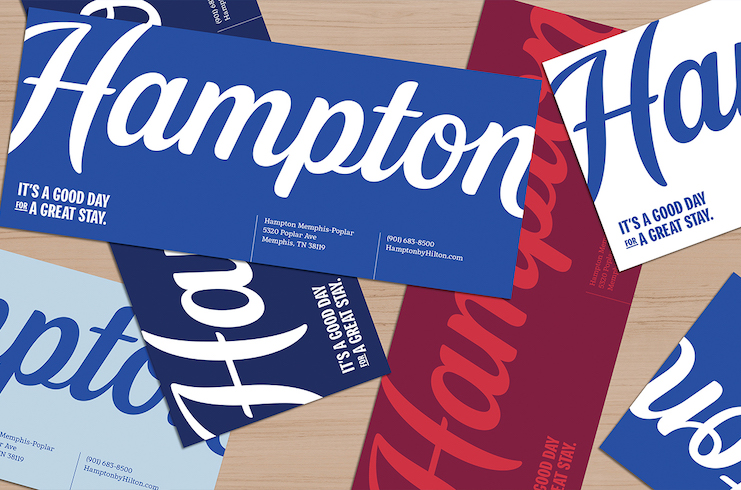
Shortly after the Graduate acquisition announcement, Hilton revealed a comprehensive refresh of its Hampton Inn brand, which boasts over 3,000 properties worldwide. This refresh includes a new North American prototype and an updated global brand identity, developed from extensive guest research across three continents.
The prototype, in development since 2021 and expected to debut in early 2025, introduces modern design elements and enhanced operational features aimed at meeting the evolving needs of today’s travelers. The initiative underscores Hilton’s commitment to innovation and leadership in the midscale hospitality segment.
Senior Vice President and brand leader Shruti Gandhi Buckley emphasized that the refresh is intended to modernize Hampton Inn while preserving the core values that have made the brand successful. The design updates aim to redefine the category and reinforce Hampton’s position as a pioneer in the industry.
Design and Operational Efficiencies in Hampton Inn’s New Prototype
The refreshed Hampton Inn prototype is designed to be cost-efficient for developers, with optimizations that reduce construction and renovation expenses. Key innovations include increasing the total number of rooms within the existing footprint and enhancing the suite configurations for better functionality.
These design improvements are projected to lower costs by up to 6% on FF&E (furniture, fixtures, and equipment) compared to previous packages. This efficiency supports stronger revenue margins for hotel owners and operators.
Exterior enhancements feature a simplified entrance canopy, updated color schemes, and the addition of outdoor patios designed for social gatherings, aligning with contemporary guest preferences for communal spaces and experiential travel.
Enhancing Guest Experience Through Branding and Amenities
Alongside physical redesigns, Hampton Inn’s brand refresh includes a revitalized global brand identity that emphasizes welcoming hospitality and modern comfort. The guest welcome experience has been thoughtfully reimagined to create a more inviting and seamless arrival.
The updated design and branding are informed by extensive market research and feedback, ensuring that the new prototype aligns with the expectations of today’s diverse traveler base. This approach helps Hilton maintain brand loyalty while attracting new customers.
By integrating these upgrades, Hampton Inn aims to reinforce its market leadership in the midscale segment and provide a consistent yet refreshed experience across its global portfolio.
Implications for Hilton’s Growth and Market Positioning
The acquisition of Graduate Hotels and the Hampton Inn refresh collectively represent a strategic push by Hilton to deepen its presence in the lifestyle and midscale hospitality sectors. These moves diversify Hilton’s brand portfolio and strengthen its appeal to a broader range of traveler preferences.
Graduate Hotels’ localized, boutique appeal complements Hampton Inn’s nationwide footprint and trusted value proposition, enabling Hilton to capture both niche lifestyle travelers and mainstream guests seeking quality and consistency.
By investing in both brand acquisition and internal innovation, Hilton is positioning itself to capitalize on evolving market trends, including increased demand for authentic experiences and operational efficiency in hotel development.
Future Outlook: Expansion and Innovation in Hilton’s Lifestyle Brands
With the Graduate acquisition expected to expand to hundreds of hotels worldwide and the Hampton Inn prototype set to launch soon, Hilton is poised for significant growth in the coming years. These initiatives demonstrate Hilton’s commitment to innovation and adaptability in a competitive market.
The company’s approach balances respect for brand heritage with forward-thinking design and operational strategies, ensuring relevance in a rapidly changing travel landscape.
As Hilton continues to evolve its lifestyle offerings, it is likely to explore additional opportunities for acquisitions, partnerships, and brand refreshes that align with its vision of delivering exceptional guest experiences globally.
Conclusion
Hilton’s recent acquisition of Graduate Hotels and the comprehensive refresh of Hampton Inn underscore its strategic commitment to growth and innovation in the hospitality industry. By integrating a beloved boutique lifestyle brand and modernizing a flagship midscale brand, Hilton is well-positioned to meet the diverse needs of contemporary travelers while enhancing operational efficiencies. These initiatives not only expand Hilton’s footprint but also reinforce its leadership in delivering authentic, locally inspired, and guest-centric experiences. As the hospitality landscape continues to evolve, Hilton’s proactive approach serves as a blueprint for sustained success and competitive advantage.
Obi says his wife funds her own purchases. This analysis separates his explanation, unverified handbag prices and the evidence needed to assess public spending.
Omotola’s podcast remarks raise practical questions about income, reputation and values. Here is how professionals can assess offers without inventing claims about missed earnings.