
Top Stories
KFF Health News’ ‘What the Health?’: The Supreme Court and the Abortion Pill
Since the Supreme Court overturned Roe v. Wade in 2022, the landscape of abortion rights in the United S...
TAMFIS NIG LTDRC 8067447CAC ACTIVEFinima, Bonny Island, Rivers State

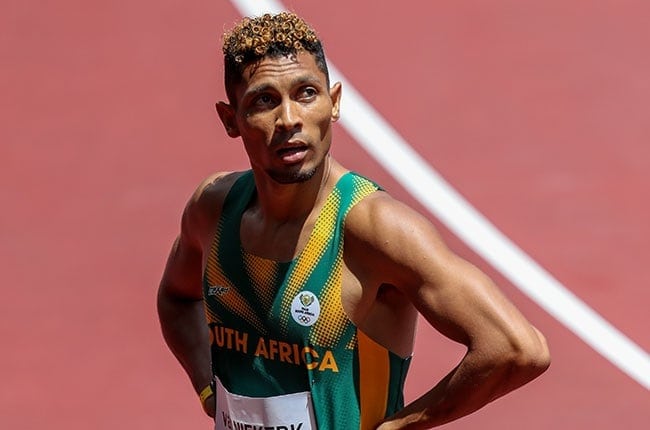
South Africa's athletics scene received a significant boost as the men's 4x400m relay team qualified for the Paris 2024 Olympic Games. The qualification was achieved during the World Athletics Relays held in Nassau, Bahamas, where the team showcased exceptional talent and determination. Central to this success was Wayde van Niekerk, the world record holder in the 400m, who ran a crucial third leg, driving the team forward. This article takes a comprehensive look at the journey, the athletes involved, and the broader implications of this achievement for South African athletics.
The World Athletics Relays, held biennially, serve as a critical qualifying event for relay teams aiming for the Olympics. In 2024, the event took place in Nassau, Bahamas, attracting the best relay squads from across the globe. Teams compete not only for medals but also for coveted Olympic qualification spots.
This competition is renowned for its high intensity and strategic racing, with teams fielding their top sprinters to secure fast times. The 4x400m relay, one of the marquee events, demands both speed and seamless baton exchanges, making it a true test of teamwork and individual prowess.
South Africa entered the competition with high hopes, banking on their depth in the 400m sprint and the experience of seasoned athletes like Wayde van Niekerk. The event was a crucial opportunity to secure direct qualification for Paris 2024 and demonstrate the nation's sprinting capabilities on the world stage.
Wayde van Niekerk, renowned globally for his 400m world record, was the linchpin in South Africa's relay team. Running the pivotal third leg, his speed and experience provided the team with a decisive advantage. Van Niekerk's presence on the track often elevates the performance of his teammates.
Despite recovering from injuries in recent years, Van Niekerk demonstrated his enduring class and commitment. His split times were among the fastest in the field, helping South Africa maintain a competitive position throughout the race.
Van Niekerk’s leadership extended beyond his physical contribution; his calm under pressure and strategic approach to the race inspired confidence and cohesion within the team. His role was instrumental in securing the Olympic qualification, reaffirming his status as one of the sport’s greats.
Apart from Van Niekerk, the relay squad featured a blend of emerging talents and established runners, each contributing vital legs in the race. The team's composition was carefully strategized to maximize speed and baton exchange efficiency.
The opening leg set a strong pace, with the second runner maintaining momentum and positioning the team well before Van Niekerk’s impactful third leg. The anchor leg was tasked with holding the position or sprinting to overtake competitors in the final stretch.
This balanced combination of youth and experience proved effective, enabling South Africa to compete against powerhouse nations like Botswana and the USA. The synergy within the team was evident, reflecting rigorous preparation and mutual trust.
The race unfolded with intense competition, particularly between South Africa and Botswana, which featured sprint prodigy Letsile Tebogo. Both teams pushed each other to deliver exceptional performances.
A critical moment came during Van Niekerk’s leg, where his powerful acceleration helped South Africa regain lost ground and position the team favorably heading into the final leg. His ability to maintain top speed under pressure was a highlight of the event.
The final leg saw the South African anchor maintaining composure to cross the finish line within the qualifying time. The team's overall performance was marked by smooth baton exchanges and strategic pacing, essential for relay success.
Qualifying for the Olympic Games is a significant milestone for South African athletics, signaling the nation's growing strength in sprint events. The relay team's success boosts national morale and inspires upcoming athletes.
Participation in Paris 2024 offers invaluable international exposure and competition experience, crucial for athlete development. It also provides an opportunity for South Africa to contend for medals on the world’s biggest sporting stage.
The qualification underscores the effectiveness of South Africa’s athletics programs and investments. It encourages continued support from sponsors, sports bodies, and fans, fostering a positive environment for future achievements.
South Africa’s performance at the World Athletics Relays placed them alongside strong contenders like Botswana, which also qualified with notable performances, partly thanks to sprinter Letsile Tebogo. The competition highlighted Africa’s rising prominence in sprinting events.
Globally, traditional powerhouses such as the United States and Jamaica remain formidable adversaries. South Africa’s ability to qualify indicates they are closing the gap and could challenge these nations in Paris.
The relay’s dynamic nature means that any team with strategic planning, speed, and coordination can excel. South Africa’s showing demonstrated they have the essential components to be competitive on the Olympic stage.
With qualification secured, the focus now shifts to preparations for the Paris Olympics. This includes fine-tuning baton exchanges, improving individual fitness, and strategic race planning to maximize medal chances.
Coaches and athletes will analyze the performance data from the World Relays to identify areas for improvement. Training camps and international meets will serve as platforms to build cohesion and sharpen competitive edges.
The journey ahead also involves managing athlete health and recovery, especially for key figures like Van Niekerk, to ensure peak performance in Paris. The relay team’s unity and resilience will be critical factors in their Olympic campaign.
Media coverage, including platforms like News24, plays a vital role in generating public interest and support for athletics. Highlighting achievements such as the relay team’s qualification fosters national pride and encourages grassroots participation.
Public engagement through social media and sports forums amplifies the athletes’ profiles and helps secure sponsorships and funding necessary for sustained success. Celebrating milestones keeps the momentum alive within the sporting community.
As South Africa gears up for Paris 2024, continued media attention will be crucial in maintaining enthusiasm and backing for the athletes. This support network is instrumental in creating an environment conducive to high performance.
South Africa’s successful qualification for the men’s 4x400m relay at the Paris 2024 Olympics is a testament to the country’s athletic talent and strategic prowess. Led by the exceptional Wayde van Niekerk, the team’s performance at the World Athletics Relays in Nassau not only secured their Olympic berth but also showcased their potential to compete among the world’s best. As preparations intensify ahead of Paris, South Africa’s relay squad embodies national pride and the promise of thrilling performances on the global stage. With continued support and dedication, they are poised to make a significant impact at the Olympics and inspire future generations of athletes.
Originally reported by news24.com. Adapted for our readers.
Keep reading
Top Stories
Since the Supreme Court overturned Roe v. Wade in 2022, the landscape of abortion rights in the United S...
Top Stories
Top Stories Tamfitronics One evening in May, nursing assistant Debra Ragoonanan’s vision blurred during her shift at a state-run Massachusetts vet...
TAMFIS NIG LTD
Electrical and instrumentation engineering, bid preparation and consulting, IT and software.

